


World Hearing Day 2026: 10 Early Signs That You Might Have Hearing Problems


Muffled Sounds: You feel like everyone is speaking through a thick blanket or underwater. This sensation occurs because high-pitched sounds become difficult to distinguish, making speech clarity drop significantly, even if the overall volume of the sound remains audible to you. (Image: AI-Generated)

Difficulty In Crowds: Background noise makes following conversations nearly impossible. While others chat easily in busy cafes or restaurants, you find yourself struggling to isolate specific voices, often leading to fatigue as your brain works overtime to interpret the messy audio. (Image: AI-Generated)

Asking For Repetition: You frequently request that friends or family members repeat themselves during standard conversations. If you find yourself saying “what” or “pardon” constantly, it is a primary indicator that your auditory processing is struggling to keep up with speech. (Image: AI-Generated)

Turning Up Volume: You notice the television or music needs to be significantly louder than it used to be. While you might assume the broadcaster changed their levels, it is frequently a sign that your ears require more input for clarity. (Image: AI-Generated)

Withdrawing Socially: Avoiding gatherings because conversation feels stressful or exhausting is a common behavioural indicator. If you feel isolated during social events because you cannot keep up with the flow of dialogue, your hearing might be contributing to this frustration. (Image: AI-Generated)

Tinnitus: Experiencing a persistent ringing, buzzing, or hissing sound in your ears—even in complete silence—is often linked to hearing loss. While common, it acts as a red flag that your auditory system is under strain or experiencing potential damage. (Image: AI-Generated)

Trouble With Consonants: You can hear that someone is talking, but you cannot distinguish the specific words. High-frequency sounds like “s,” “f,” and “t” are often the first to disappear, making speech sound garbled, distorted, or completely unintelligible during normal interactions. (Image: AI-Generated)

Constant Fatigue: You feel mentally drained after short conversations. Because your brain is working incredibly hard to fill in the gaps created by missing auditory information, listening becomes an active, exhausting chore rather than an effortless, natural human experience. (Image: AI-Generated)

Misinterpreting Cues: You often feel like people are mumbling or speaking in an agitated tone when they are not. When clarity drops, your brain often misinterprets neutral sounds as aggressive, which can lead to unnecessary tension in your personal and professional relationships. (Image: AI-Generated)
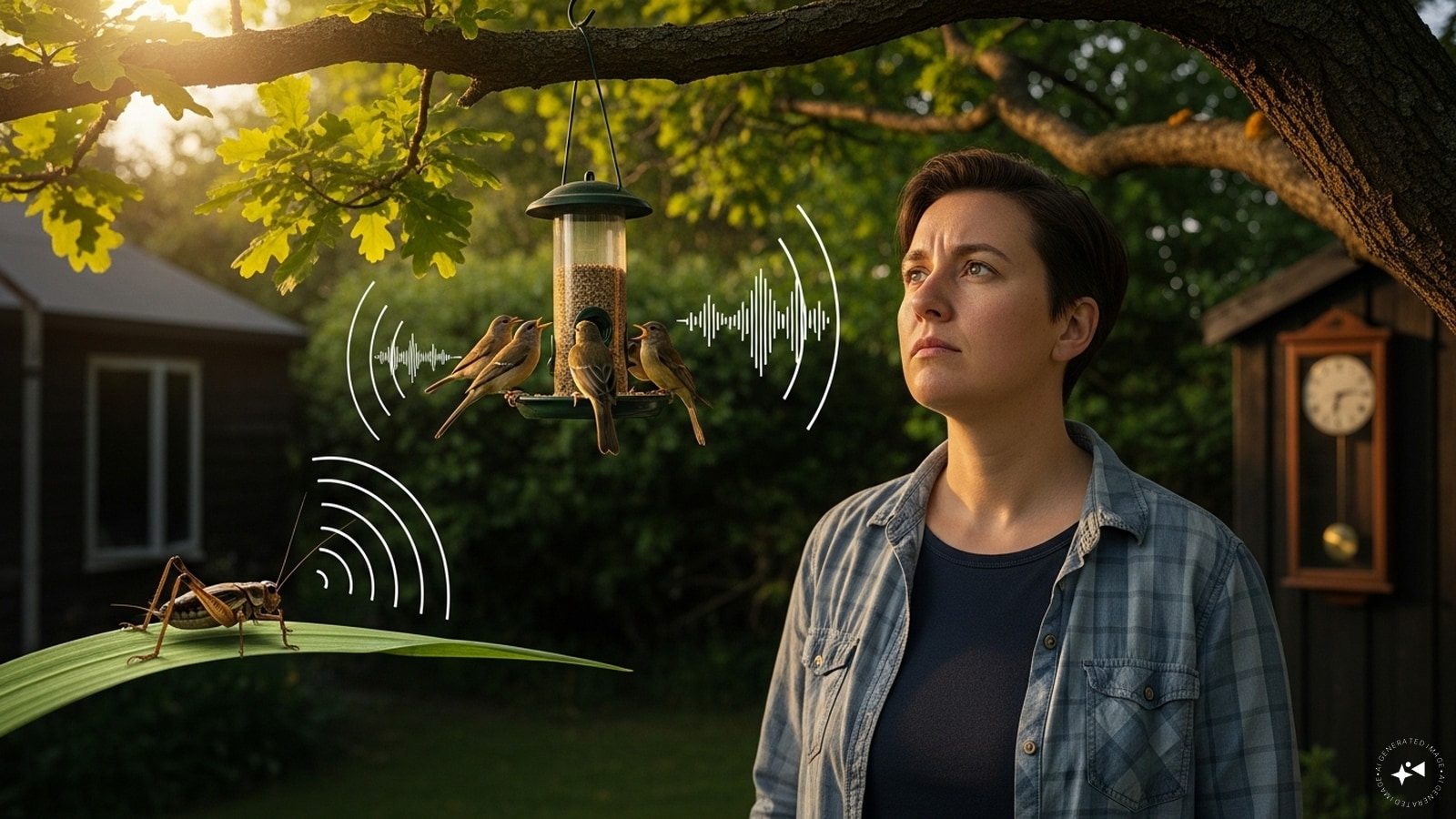
Missing Environmental Sounds: You no longer hear subtle high-pitched sounds like chirping birds, crickets, or the ticking of a clock. These environmental details are often the first to vanish, and realizing they are missing is a clear indicator that your hearing range shifted. (Image: AI-Generated)


