World Earth Day 2026: A look at smartphone pollution – the true cost of our device


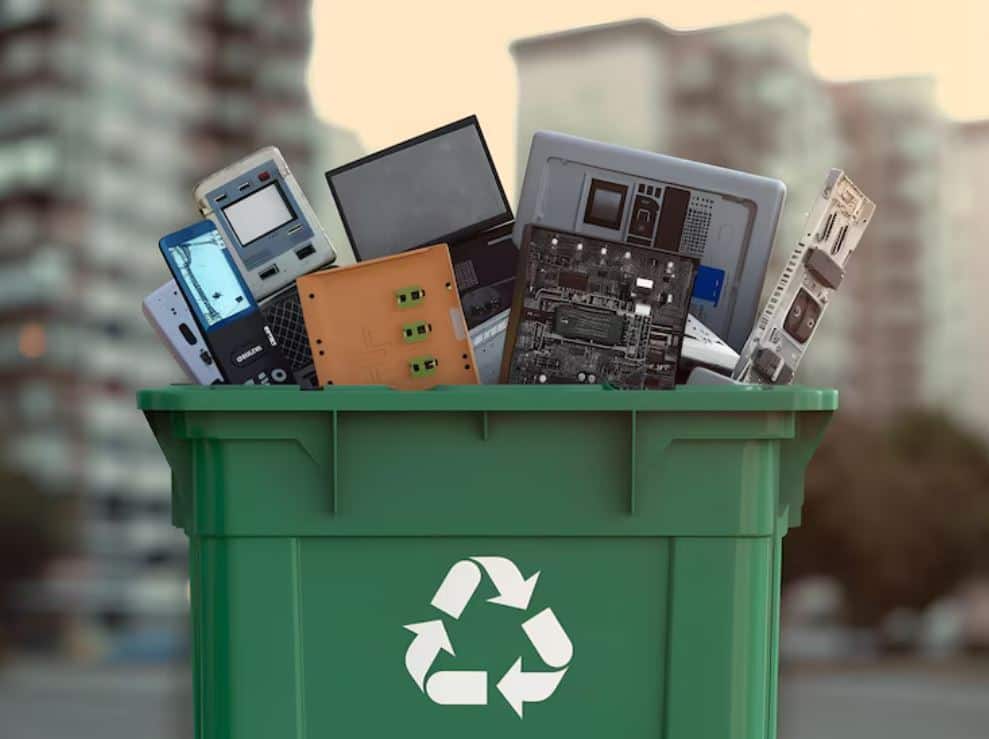
World Earth Day 2026, Reduce E Waste: E-waste, electronic waste, e-scrap and end-of-life electronics are terms often used to describe used electronics that are nearing the end of their useful life, and are discarded, donated or given to a recycler. Over half of the world’s population owns a smartphone according to recent statistic. But the multi-function devices that have become a permanent fixture in our palms leave a trail of environmental pollution and a largely overlooked carbon footprint.
The manufacturing process of a smartphone accounts for about 85 percent of its carbon footprint, making it the most damaging device to the environment. These emissions mainly come from metal extraction, shipping and production. The UN defines e-waste as any discarded products with a battery or plug, and features toxic and hazardous substances such as mercury, that can pose severe risk to human and environmental health.
Initiatives taken to tackle this growing concern
Many initiatives are underway to address this growing concern, but they won’t be fully effective without active consumer involvement and proper education. The International Telecommunication Union (ITU) also indicates that e-waste is one of the largest and most complex waste streams in the world.
According to the Global E-waste Monitor 2020, the world generated 53.6 Mt of e-waste in 2019, of which only 9.3 Mt (17%) was recorded as collected and recycled. The fourth version of the Global E-waste Monitor 2024 shows an increasing trend in the generation of e-waste as by 2022, the world generated 62 billion kg of e-waste (7.8 kg per capita). Only 22.3 percent (13.8 billion kg) of the e-waste generated was documented as properly collected and recycled.
A hopeful message
In October 2022, Apple claimed that its corporate operations are running on 100 percent renewable energy, and said it will commit to a carbon-neutral supply chain by 2030. The production of a typical iPhone 14 still accounts for over 80 percent of its total carbon emissions, but it is using more recycled materials like recycled gold and rare earth metals.
Currently, about 41 million tonnes of e-waste is produced each year, but less than 16 percent are recycled, according to a UN report. Such waste releases a range of toxic chemicals that pose a threat to the health of the local environment and waste pickers, particularly in the Global South, where dumping grounds are typically located, including in places like Ghana and Nigeria.
Mineralogist and geochemists say the challenges in the fight against pollution from smartphones often revolve around the recycling of phone materials.
They include ensuring that people give up their old phones for recycling; making sure that smartphones do go forward for recycling rather than ending up in landfill sites or as e-waste; being able to successfully take smartphones apart to recover their valuable components such as copper, gold, silver, lithium and cobalt; and supporting smartphone recycling companies.
While no production is completely carbon-free, the silver linings might lie in the fact that the market of refurbished, used smartphones or those produced out of recycled materials is emerging: Over 251 million used smartphones were shipped across the world in 2021, and by 2027, 200 million more shipments are predicted, according to Statista. China and India are currently the biggest markets for refurbished and used phones.
(This article is intended for your general information only. Zee News does not vouch for its accuracy or reliability.)
More stories