


Kailash Mansarovar Yatra 2026: Routes And All You Need To Know


The Ministry of External Affairs (MEA) has officially announced the schedule for the Kailash Mansarovar Yatra (KMY) 2026. The spiritual journey is organised in coordination with the Chinese government. The yatra is set to take place from June to August 2026. (Image: Pexels)

Pilgrims can choose between two primary trekking routes, both of which offer distinct landscapes and spiritual experiences. (Image: Pexels)
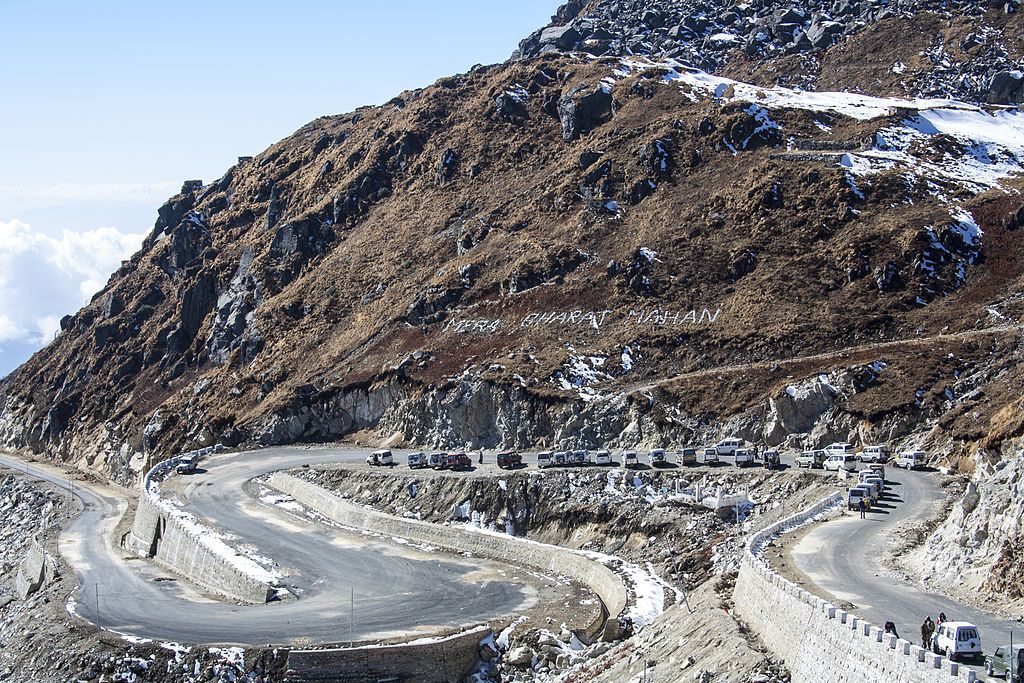
Route 1: Lipulekh Pass (Uttarakhand)
Travellers cross into China via the Lipulekh Pass, experiencing the rugged beauty of Uttarakhand.
Capacity: 10 batches of 50 pilgrims each.
Departure Points: Delhi or Dharchula. (Image: Pexels)
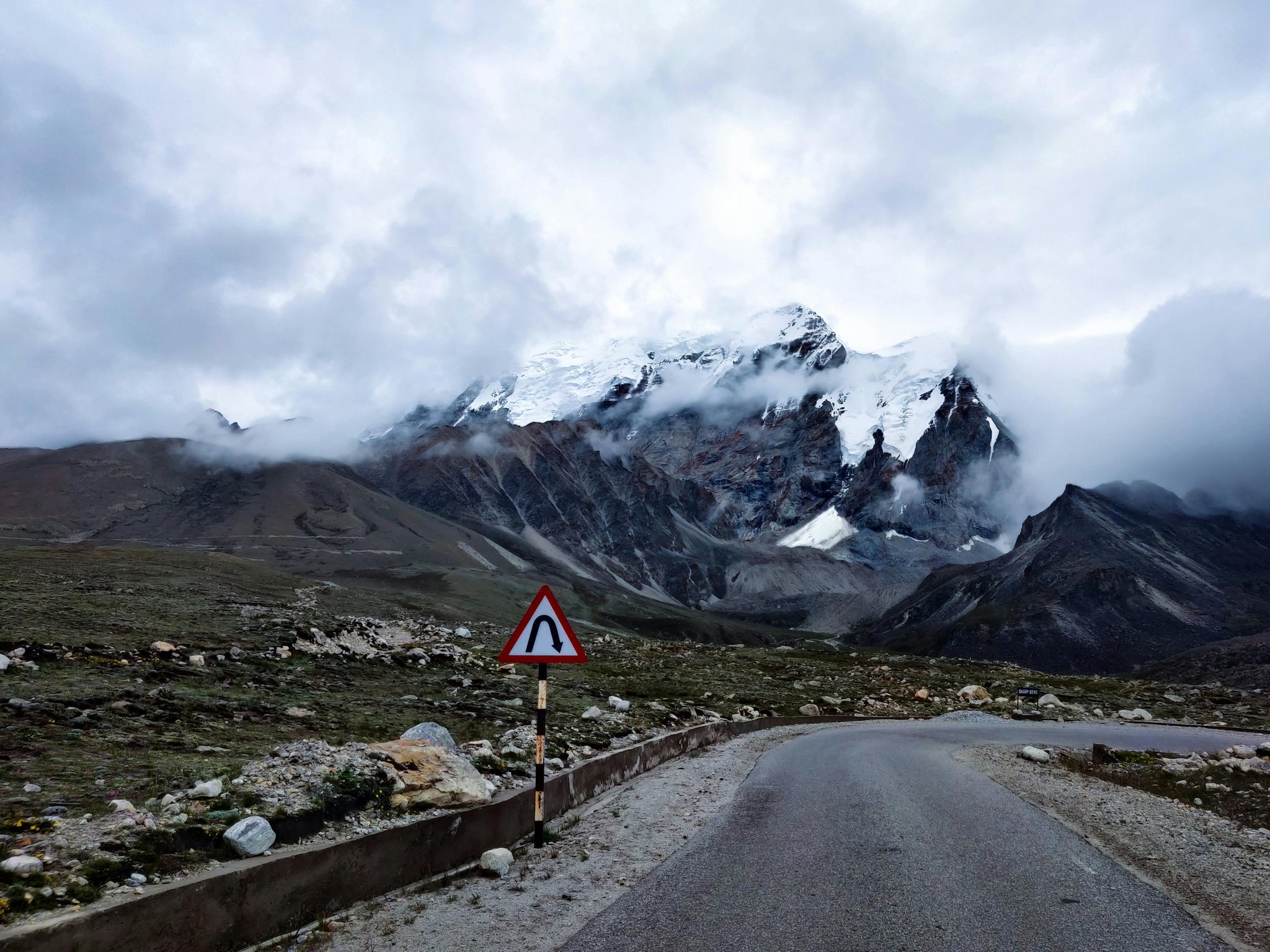
Route 2: Nathu La Pass (Sikkim)
This route passes through the scenic landscapes of Sikkim, crossing over the Nathu La Pass.
Capacity: 10 batches of 50 pilgrims each.
Departure Points: Delhi or Gangtok (Image: Pexels)

Interested applicants will have to register on the website and submit their applications online. The ministry statement said that a total of 20 batches comprising 2000 pilgrims will undertake the yatra this year. Each batch will consist of 50 yatris, with 10 batches travelling via Lipulekh Pass and 10 via Nathu La Pass. (Image: Pexels)

The Kailash Mansarovar Yatra reopened last year after China showed signs of improved bilateral ties, particularly following the completion of troop disengagement along the border. (Image: Pexels)

The Kailash Mansarovar Yatra carries deep religious and cultural importance. Revered by Hindus, Buddhists, and Jains alike, Mount Kailash is believed to be the sacred abode of Lord Shiva. Each year, thousands of devotees embark on this pilgrimage, widely regarded as one of the most profound and spiritually significant journeys in the region. (Image: Pexels)

Mount Kailash (6,638 m) and Lake Mansarovar, situated in Tibet, China, together form one of Asia’s most revered pilgrimage destinations. Considered the abode of Lord Shiva in Hinduism and held sacred by Buddhists and Jains as well, the Kailash Mansarovar Yatra is usually undertaken between June and September. The journey includes demanding high-altitude trekking at elevations of around 4,590 metres and above, combining intense physical endurance with a deeply spiritual experience. (Image: Pexels)


