


If You Remove The Logo, Is It ‘Worth It’? Gen Z Is Rethinking The IT-Bag & Falling In Love With Craft Instead


Last Updated:
Gen Z is trading logos for texture, shape and story, and Indian brands are catching up




If You Remove The Logo, Is It ‘Worth It’? Gen Z Is Rethinking The IT-Bag & Falling In Love With Craft Instead
Simran Sukhnani didn’t set out to buy a “brand”.
“There are too many bags in the market that look the same, so naturally, I wanted to go for something different. I also had a couple of things in mind, like the bag should be black in colour (goes with most outfits), lightweight and weather-proof, and also no leather because of sustainability reasons. And it had to be pretty. I was looking for unconventional bags and stumbled upon this small business on Instagram, and the bag checked all the boxes, so I bought it immediately. The creator was a sweetheart and gave me an extra discount and goodies! And since I have gotten tons of compliments every time I carry this beauty along!”
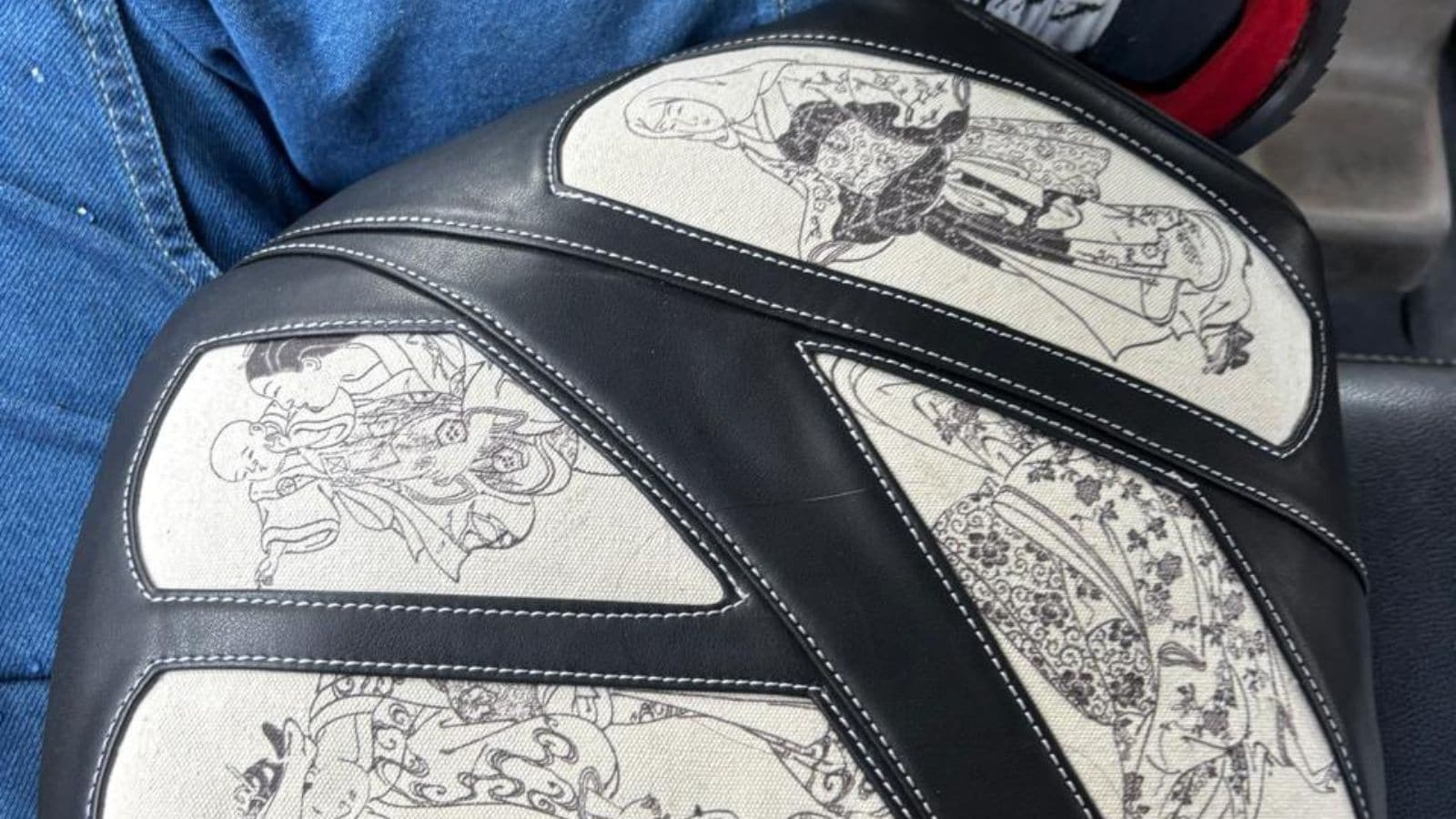
It’s a telling checklist: colour, weight, material, feel, compliments. No mention of a logo. For years, bags were easy to read. You knew what you were looking at because the brand made sure you did. Now, that clarity is fading, or at least evolving.
The new consumer isn’t ignoring brands, but they aren’t relying on logos to do all the work either. There’s more attention on how something looks up close—its shape, finish, material, how it fits into a wardrobe.
As Annika Saraf of AKINNA explains, “A new chapter of luxury is unfolding, and with it, a quiet recalibration of what feels valuable. What once signaled status loudly now feels almost over-articulated. Gen Z isn’t necessarily rejecting logos, they’re just no longer fluent in that language alone.”
Discovery Starts On The Feed
A lot of this shift begins online. “What has changed is that consumers are no longer ‘trading off’ between design and accessibility. Earlier, accessible brands were discovered for price and then evaluated on design. Today, discovery itself is almost accidental. Consumers are not actively looking for a ‘good deal’ or even a specific brand, they are encountering products in content that feels native to their feed. If it does not hold up visually against what the consumer is seeing globally, it does not even enter consideration. Accessibility then acts as an enabler after interest is created. In many ways, the expectation has shifted from ‘good for the price’ to simply ‘good,’ and that is a much higher bar,” says Mohit Jain of Miraggio.
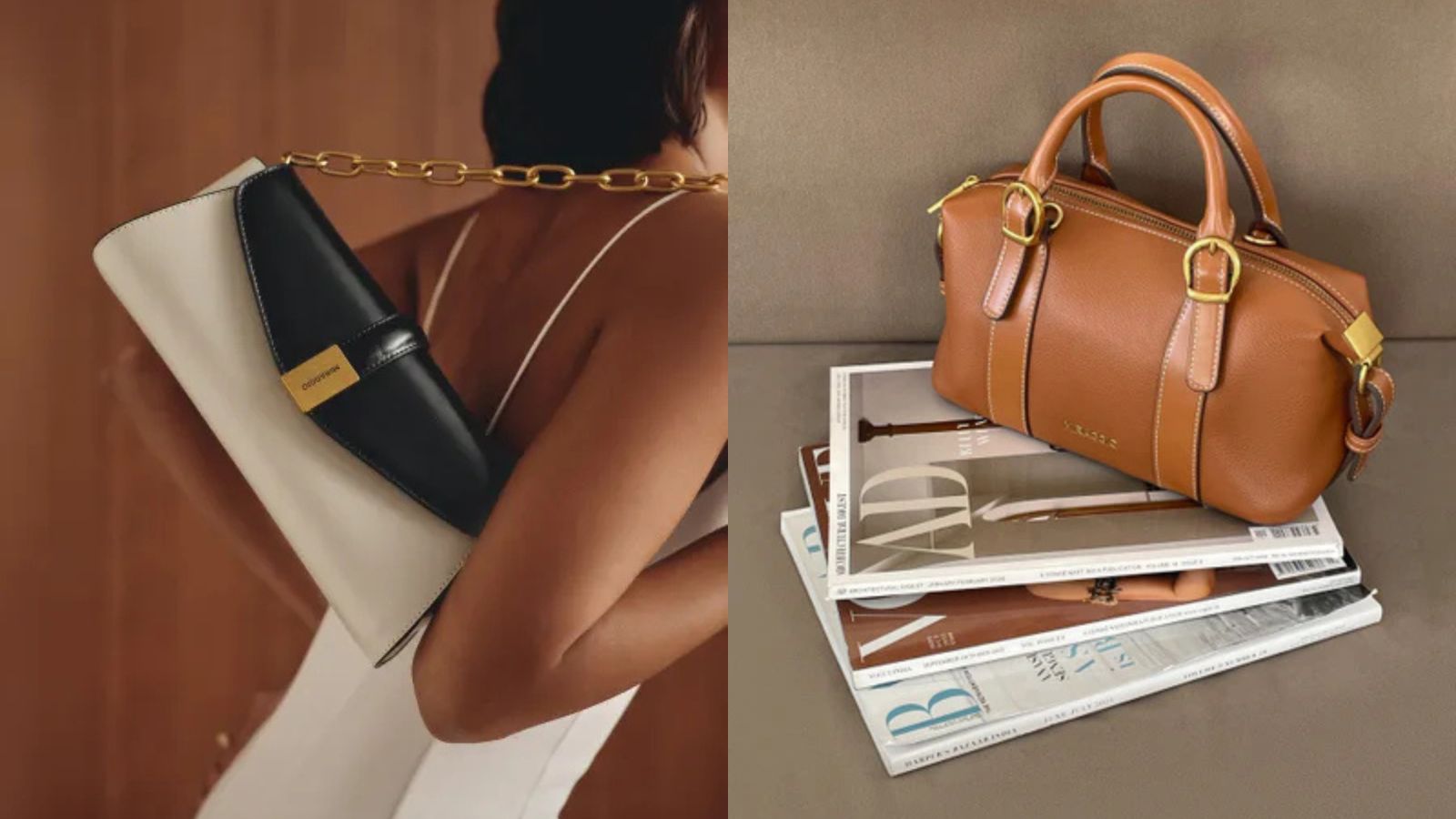
A bag has to pass the scroll before it reaches the wardrobe. But it also has to stay. “A product might be discovered in a few seconds on screen, but it needs to stay in use across weeks and months in real life… The balance is not between scrollability and usability, but between first impact and continued relevance,” he adds.
That first impression—often just a few seconds—is doing a lot of heavy lifting now. People still want their bags to feel distinctive also but it is showing up in different way. Design cycles are also faster than before. Trends move quickly, often driven by what works visually online. “Digital platforms like Instagram have compressed design to production timelines significantly, and trends now move in micro cycles rather than seasons. We do respond to this pace because missing the window means missing relevance at the point of discovery,” says Mohit.
But speed isn’t the only consideration. “A product might be discovered in a few seconds on screen, but it needs to stay in use across weeks and months in real life. So while we design for what works visually and feels current, we are equally focused on whether it holds up in terms of functionality, versatility and repeat usage.”
But What Counts As Luxury Now?
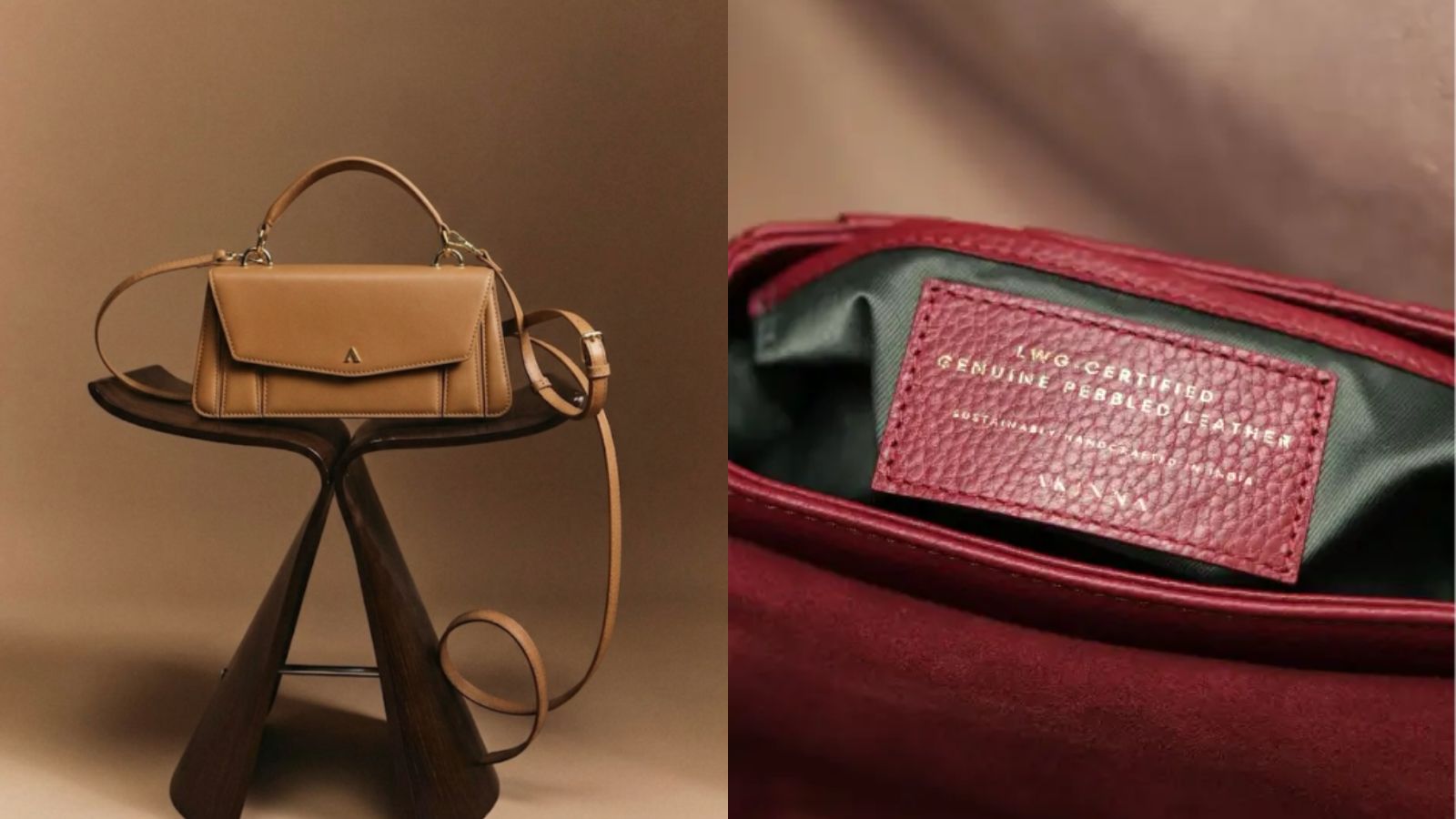
It depends on what people are willing to pay for. And what they are willing to pay for is also changing. “Craftsmanship, material integrity, and thoughtful construction are becoming the real markers of value. This generation has developed a sharper eye, they can tell when something is made with intent versus when it’s simply priced to appear important,” says Saraf.
“Recognisability today is less about imprinting and more about imprinting memory. When branding steps back, design has to step forward with conviction. Silhouette becomes language. Proportion becomes identity,” she adds.
The India Shift: Less Looking Outward
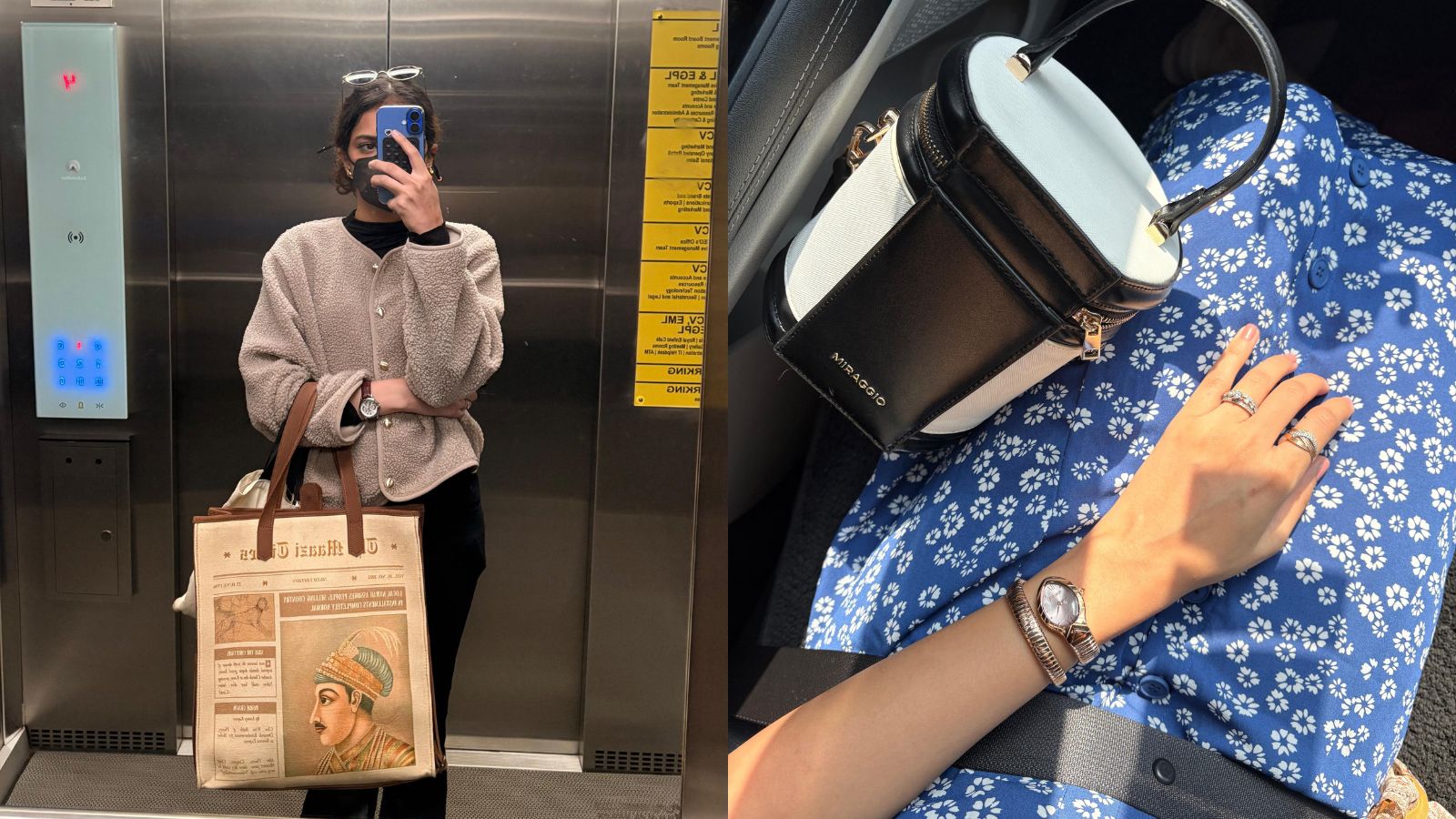
There’s another layer to this conversation about design. For a long time, what felt desirable was often tied to what felt international. Validation came from outside. That’s changing. For Gurgaon-based professional Aarushi, homegrown brands are worth the investment. “I carry a small part of my world in my bag so I literally can’t think of stepping out without one. For me, bags are more about functionality over logo or brand name. I have different bags for various occasions. They have to solve the purpose – a good, comfortable sling that I can carry with multiple outfits, a tote that does not aches my shoulders after a long day, a backpack that can help me travel smart. I always go for bags that will survive the trends, have multiple pockets, a smart design, an evergreen colour, and the one I know won’t worn off easily,” she shares. Some of her favourite homegrown brands include Mokobara, Miraggio and Marzipan.
You see it in Aarushi’s list—homegrown brands sitting comfortably in the same sentence. You see it in Simran discovering a small business on Instagram and buying without hesitation.
And for brands like Kali India, this is where the conversation starts. “Luxury, to me, is what it was always meant to be. Something made slowly, by hand, with intent. Something that lasts long enough to pass on. Patek Philippe captures it best: ‘You never actually own a Patek Philippe. You merely look after it for the next generation.’ That is the standard I hold Kāli to,” says founder and CEO Mansi Saxena.
There is also a critique of what luxury has become.
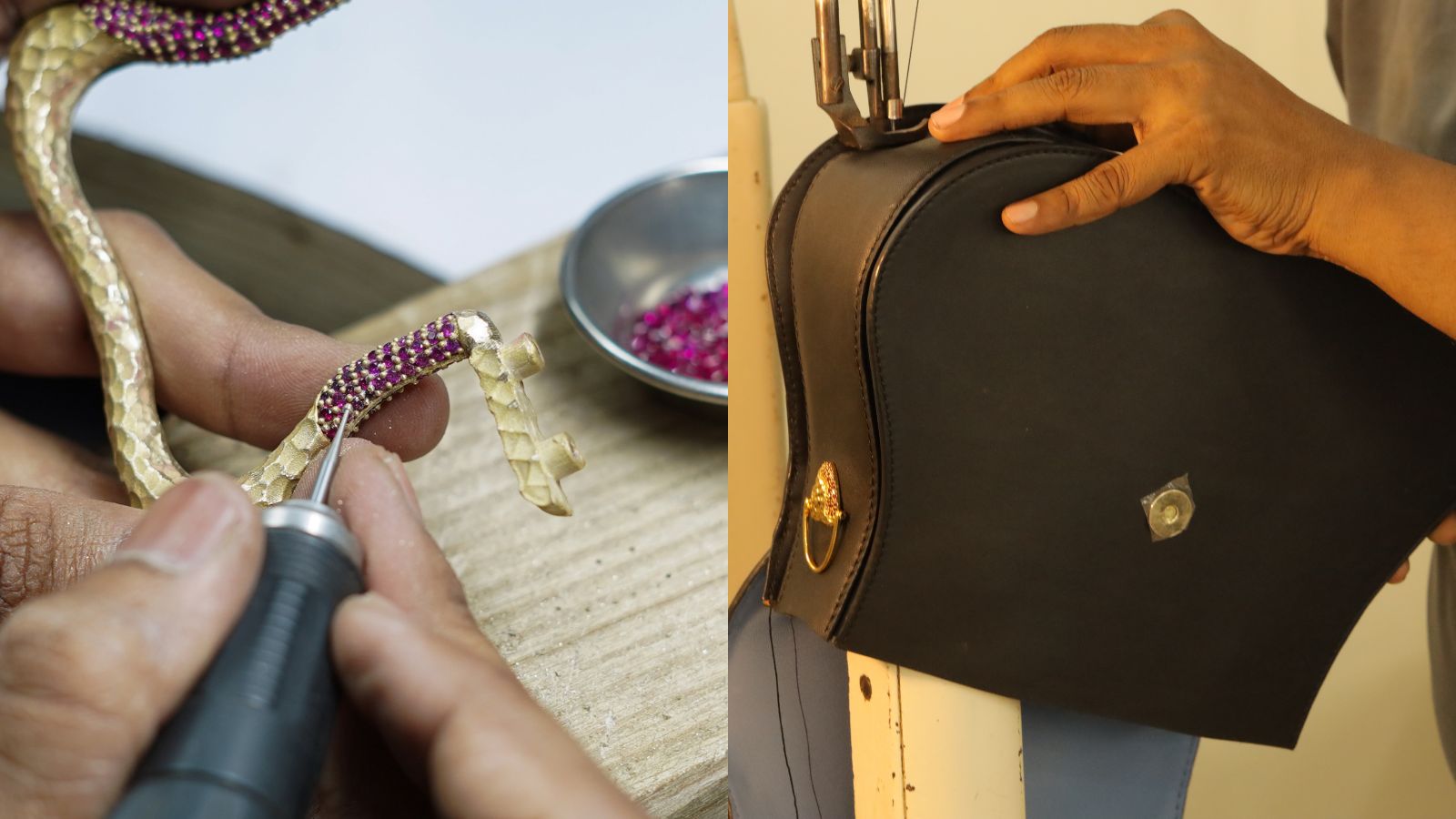
“We live in a moment where luxury has unfortunately become mass production at high prices. The handwork, the provenance, and the meaning were removed. What remained was the logo.” Kāli’s response is to build detail back in.
“Each piece involves hundreds of hours across multiple artisans. Cast, sculpted and hammered brass hardware. Lab-grown rubies set by hand. The softest Italian nappa leather, chosen for how it softens over time is cut and finished by a single artisan… Every detail is a decision.”
So What If The Logo Disappears?
Mansi gives us the most useful way to understand this reality, and it might be the simplest one.
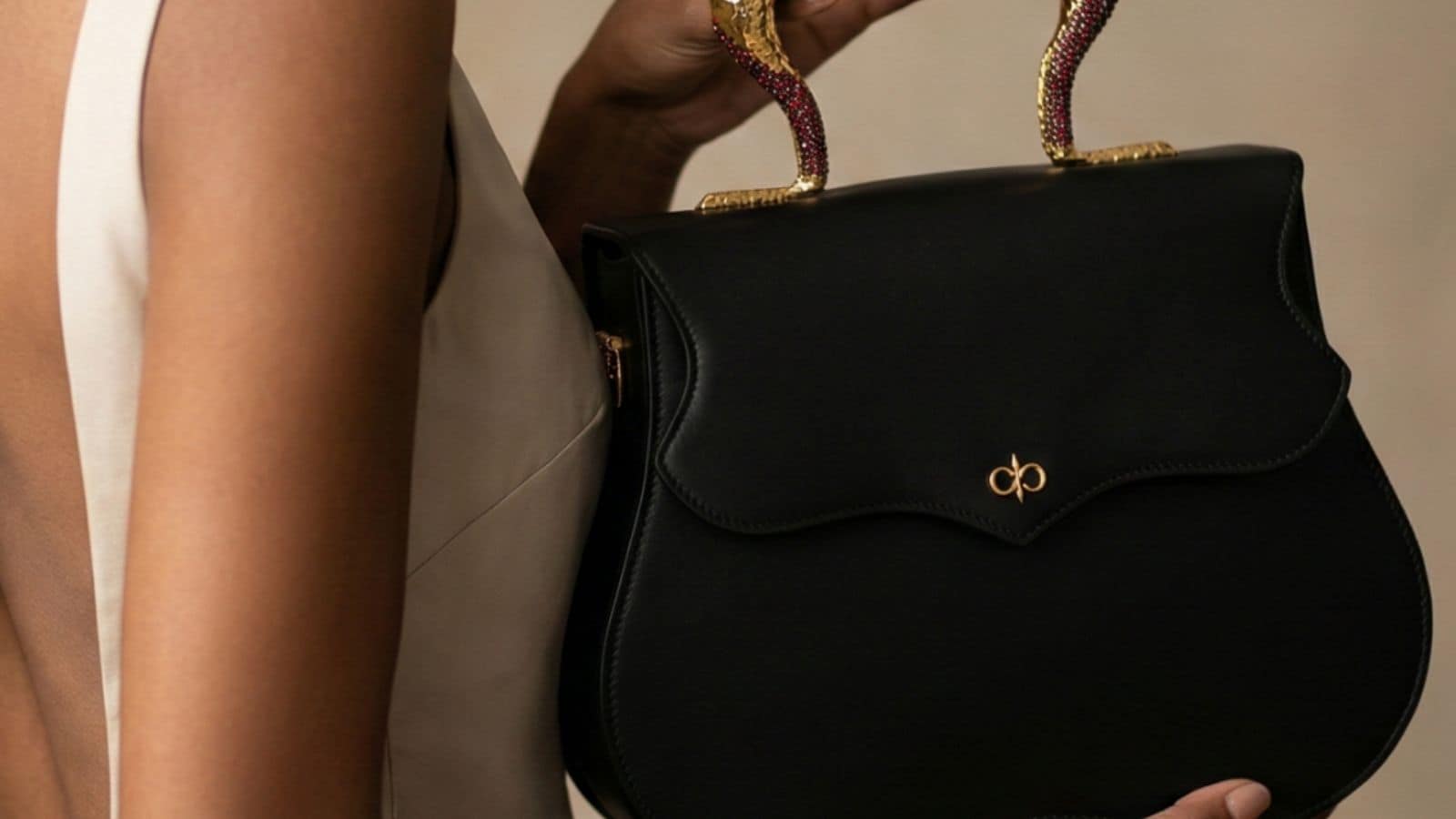
“The question I ask of any luxury object is this: if you remove the logo, is it still recognisable? A Birkin is. A Bottega Veneta intrecciato is. A Louboutin red sole is. Those are codes, built through decades of disciplined design. Weight, finish, proportion. Recognition comes before full understanding. That is what we are building with Kāli. Not a logo. A language.”


