


Bought Gold Jewellery? These 5 Quick Home Tests Can Tell If It’s Real


Gold jewellery is often one of the biggest purchases families make, whether for weddings, festivals or as a long-term investment. But how can you tell if the necklace, chain or bangles you bought are actually real gold? While the most reliable method is to get your jewellery tested by a certified jeweller, there are a few simple checks you can do at home to spot obvious red flags. These tests won’t confirm purity with complete accuracy, but they can help you decide whether you need a professional evaluation. (Image: Pexels)
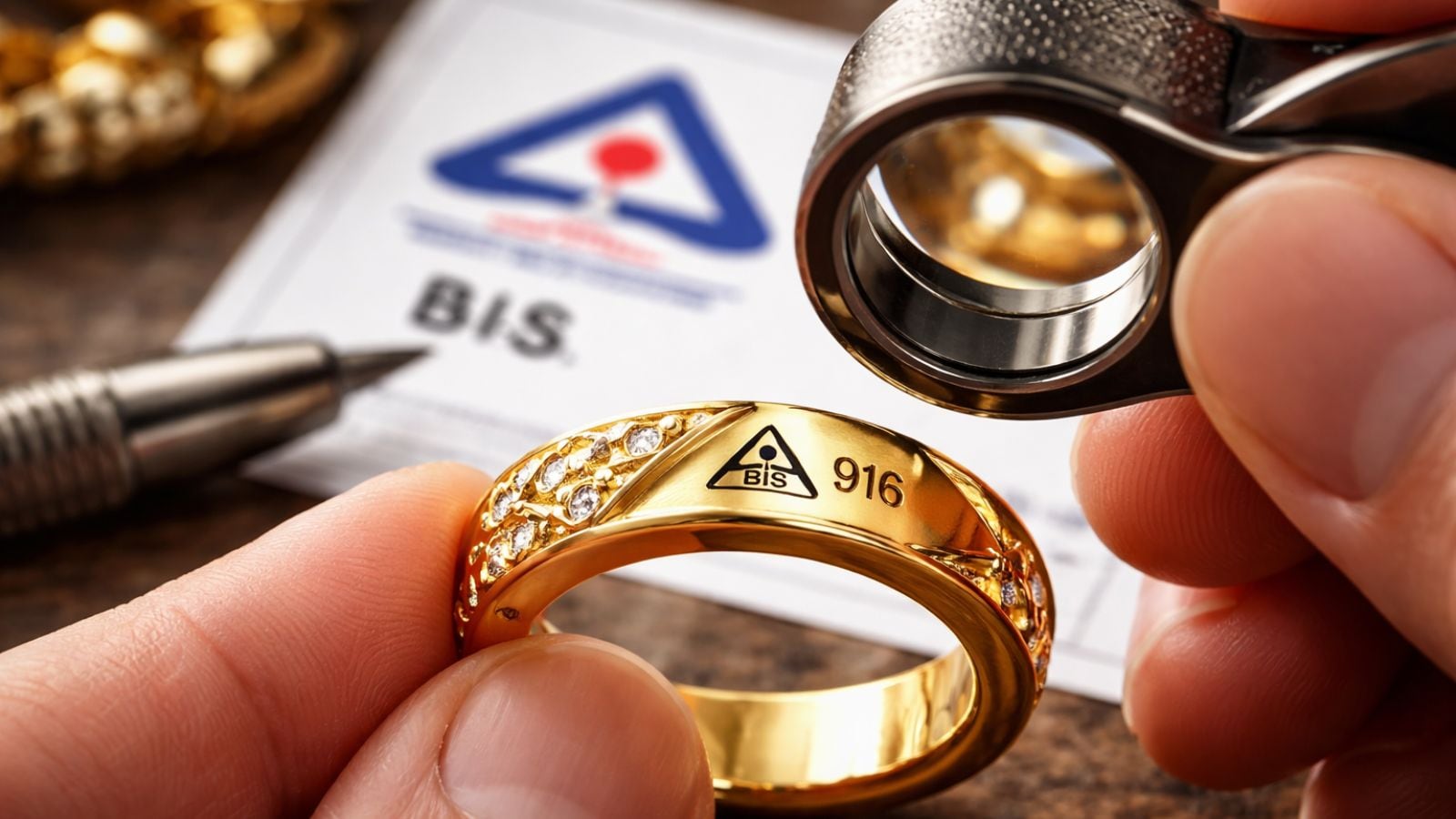
Look for the Hallmark Stamp
The first and easiest thing to check is the hallmark. In India, genuine gold jewellery should carry a BIS hallmark along with the BIS logo, purity mark (such as 22K916, 18K750, or 14K585), and jeweller’s identification mark. If your jewellery has no hallmark at all, that is a warning sign. However, a stamp alone does not guarantee authenticity, as fake markings are possible. (File photo)

Do the Magnet Test
Gold is not magnetic. Take a strong magnet and bring it close to your jewellery. If the piece is strongly attracted to the magnet, it likely contains other metals and may not be pure gold. Keep in mind that some non-gold metals are also non-magnetic, so this test is useful only as a basic screening method. (Image: Pexels)
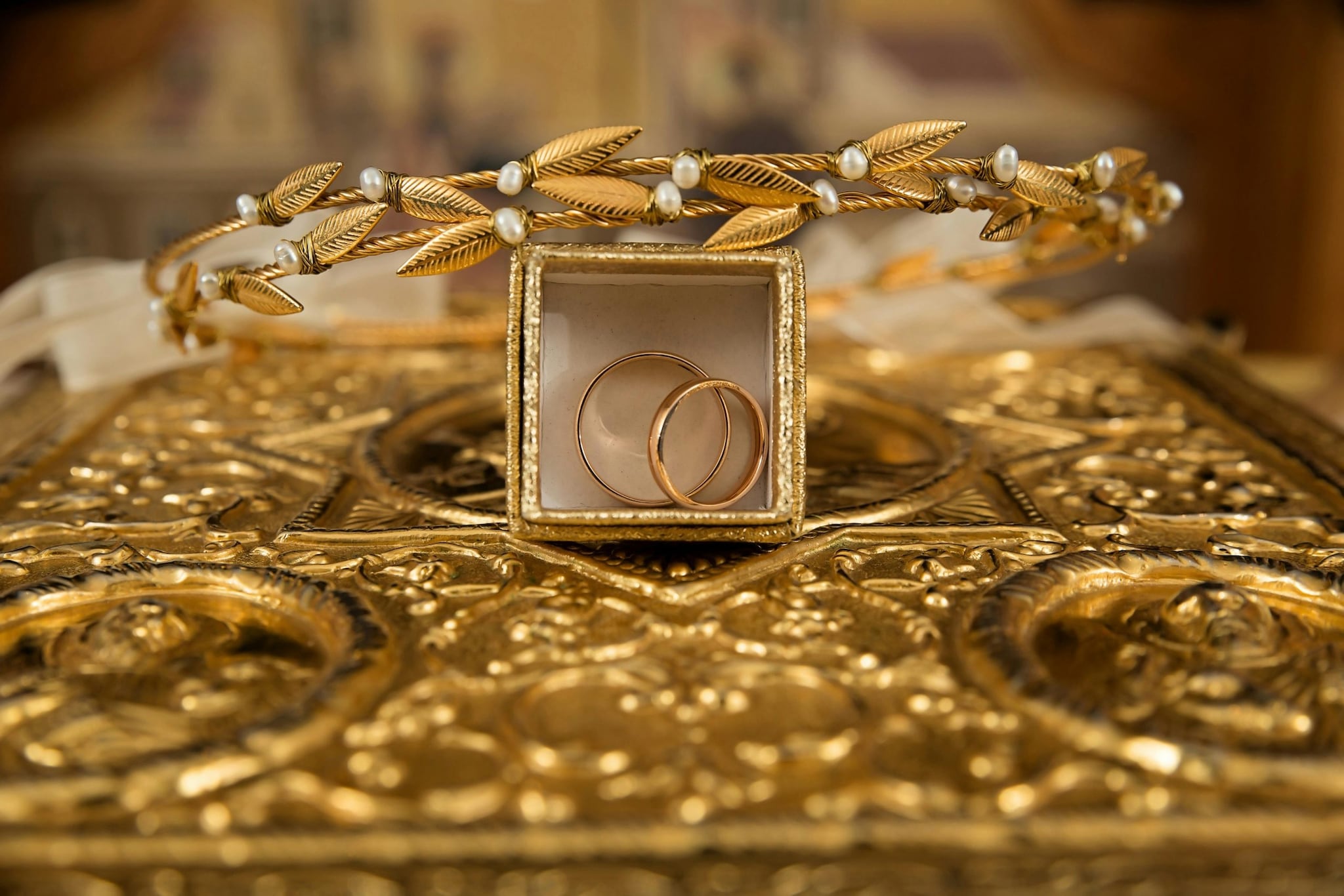
Check for Discolouration
Inspect the jewellery carefully, especially around edges, clasps and areas that rub against the skin. If you notice fading colour, silver or copper tones underneath, and dark spots or peeling, the piece may be gold-plated rather than solid gold. Real gold does not tarnish easily and generally maintains a consistent colour. (Image: Pexels)
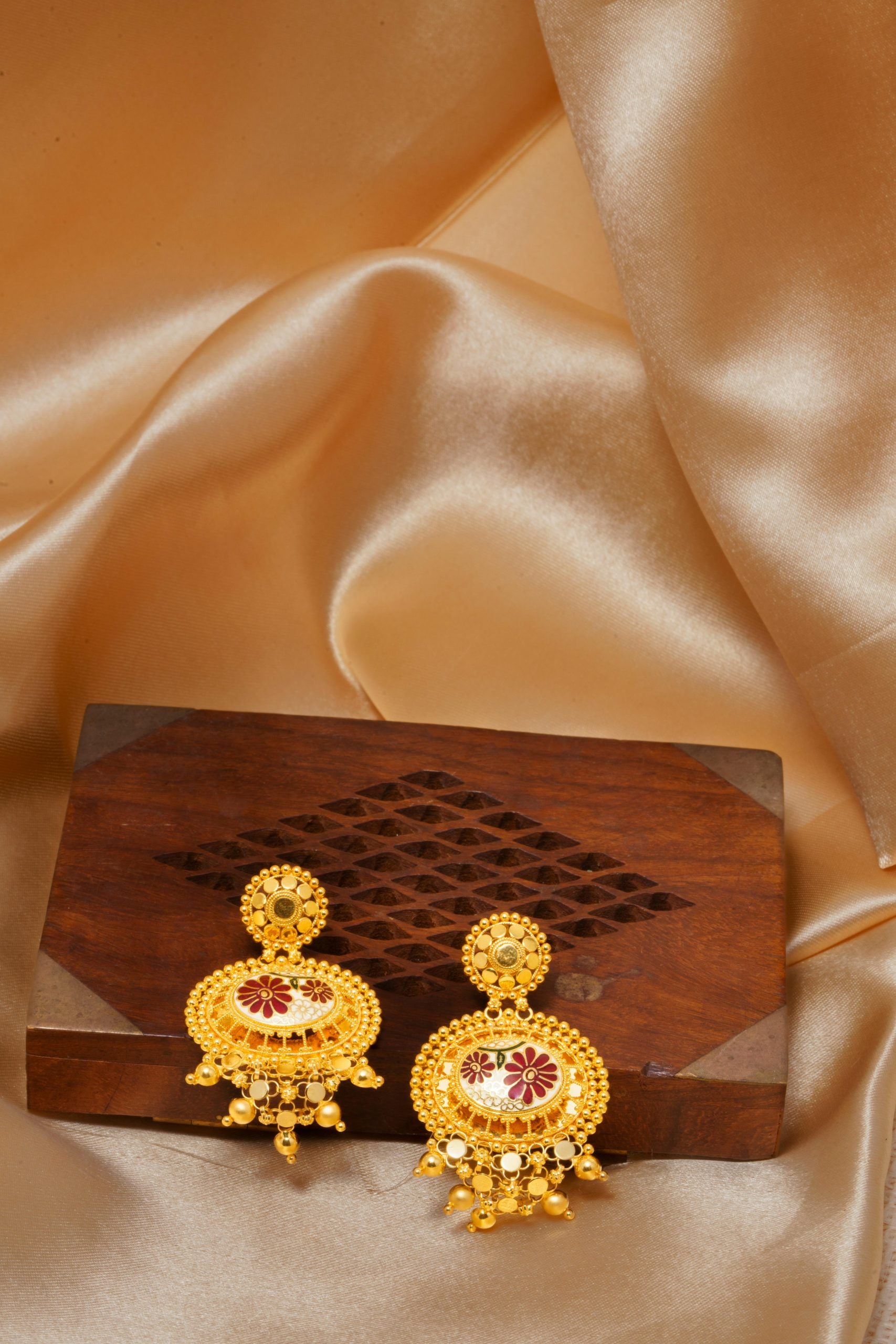
Try the Ceramic Plate Test
Rub the jewellery gently across an unglazed ceramic plate. A gold-coloured streak may indicate real gold. A black streak can suggest that the item is made from another metal. Use this method cautiously, as it may leave minor scratches on delicate pieces. (Image: Pexels)
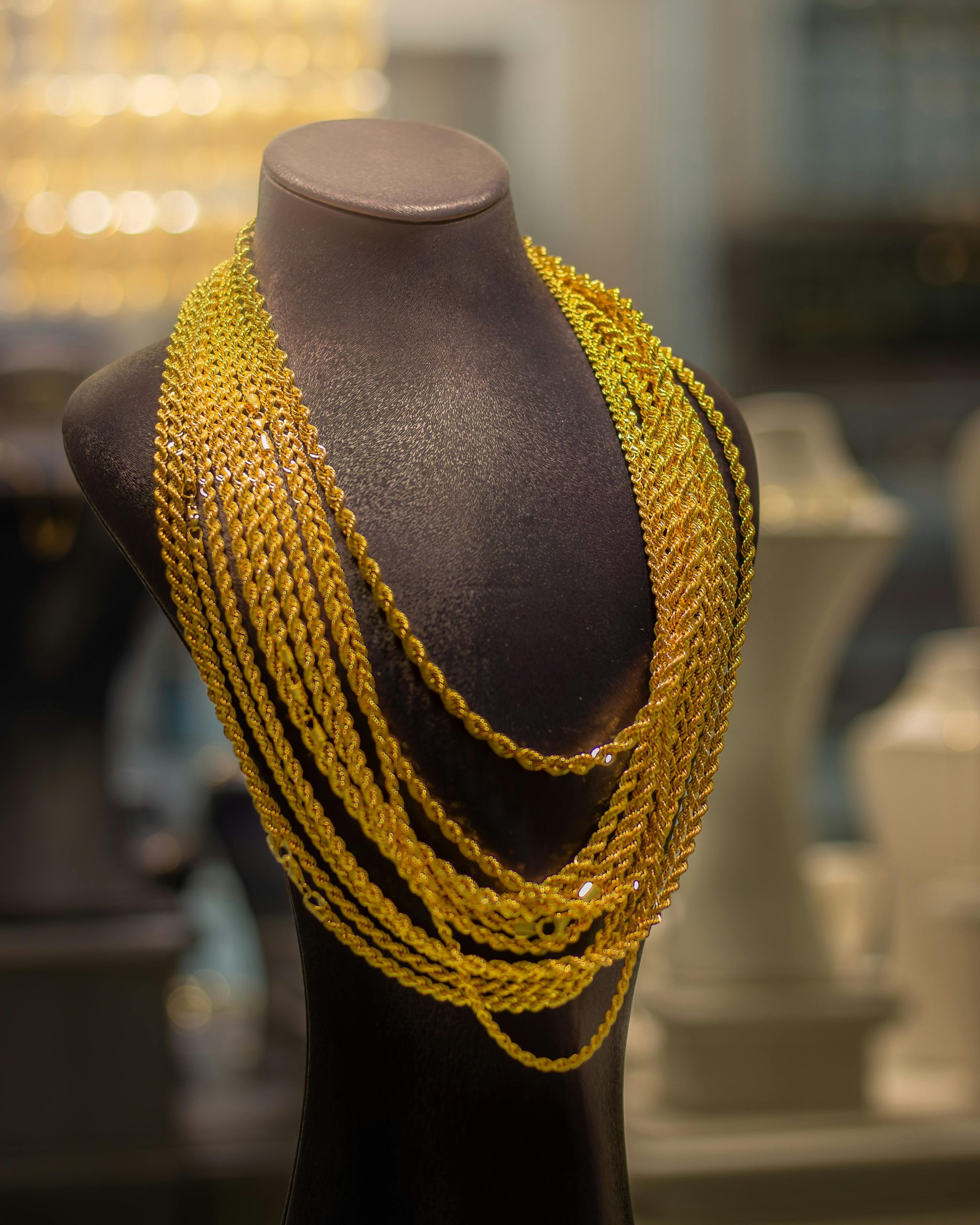
Notice Skin Reactions
Pure gold is generally non-reactive. If your jewellery causes green or black marks on your skin, it may contain a significant amount of other metals. That said, sweat, cosmetics and skin chemistry can also cause discolouration, so this test should not be used on its own. (Image: Pexels)

When to Get A Professional Test
If you are still unsure, visit a trusted jeweller or hallmarking centre. Professionals can perform XRF (X-ray fluorescence) testing, acid testing, and density analysis. These methods provide a far more accurate assessment of gold purity. (Image: Pexels)


