


6 Surprisingly Expensive Ingredients Sitting In Your Indian Kitchen


Some of the world’s most valuable culinary ingredients are likely already sitting in your kitchen. From rare spices to premium natural products, these pantry staples command impressive prices thanks to labour-intensive harvesting and limited growing conditions.
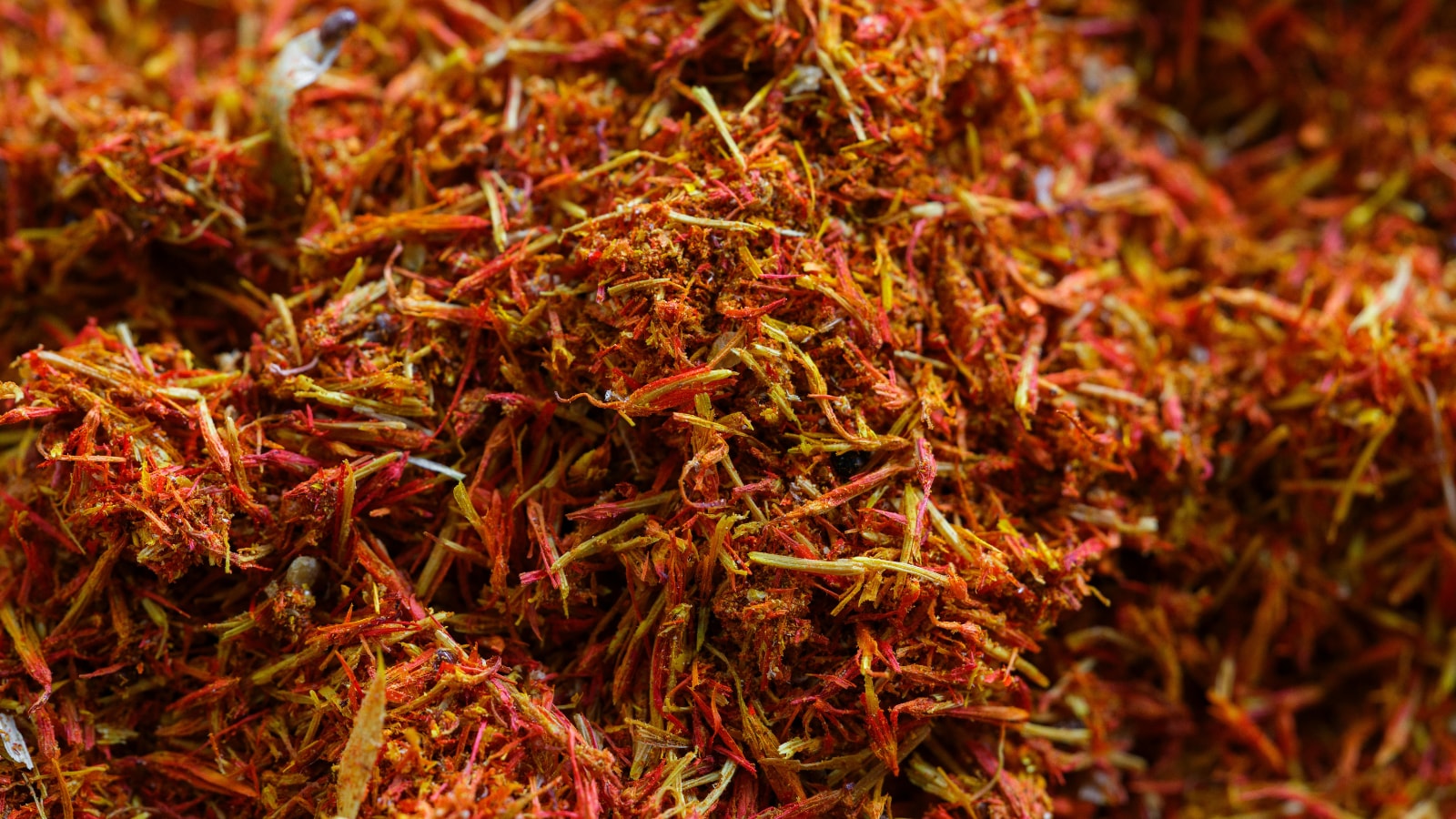
Saffron (Kesar): Known as the world’s most expensive spice, saffron is often called “red gold.” Each flower produces only three delicate stigmas, all of which must be harvested by hand. Producing a single kilogram requires more than 100,000 flowers, helping premium Kashmiri saffron command prices ranging from lakhs per kilogram.
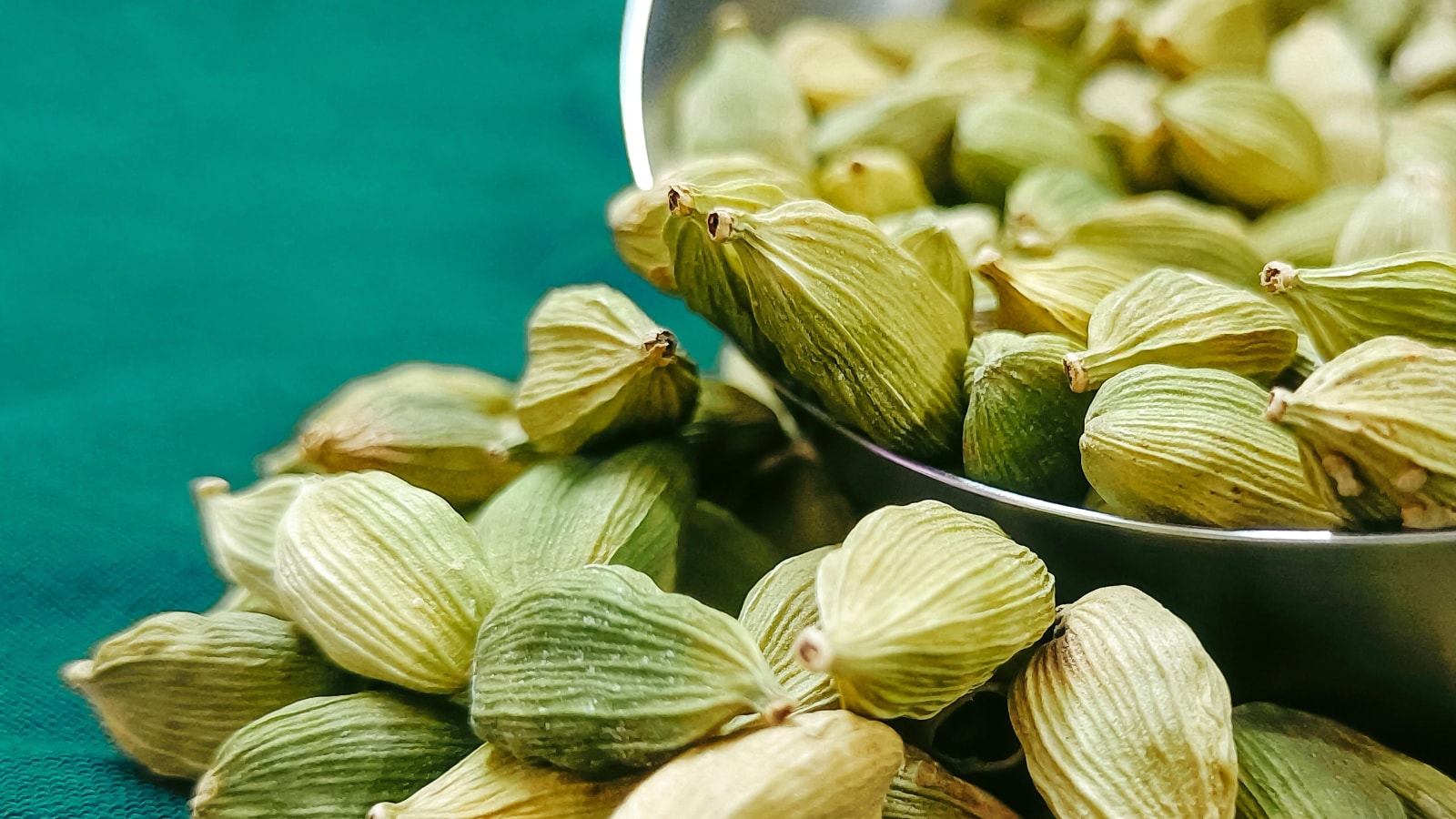
Green Cardamom (Hari Elaichi): A staple in Indian chai and desserts, green cardamom is also one of the country’s costliest spices. Its cultivation requires specific climatic conditions; while harvesting and drying are largely done by hand. Premium-quality pods with a vibrant green colour and strong aroma are especially prized.
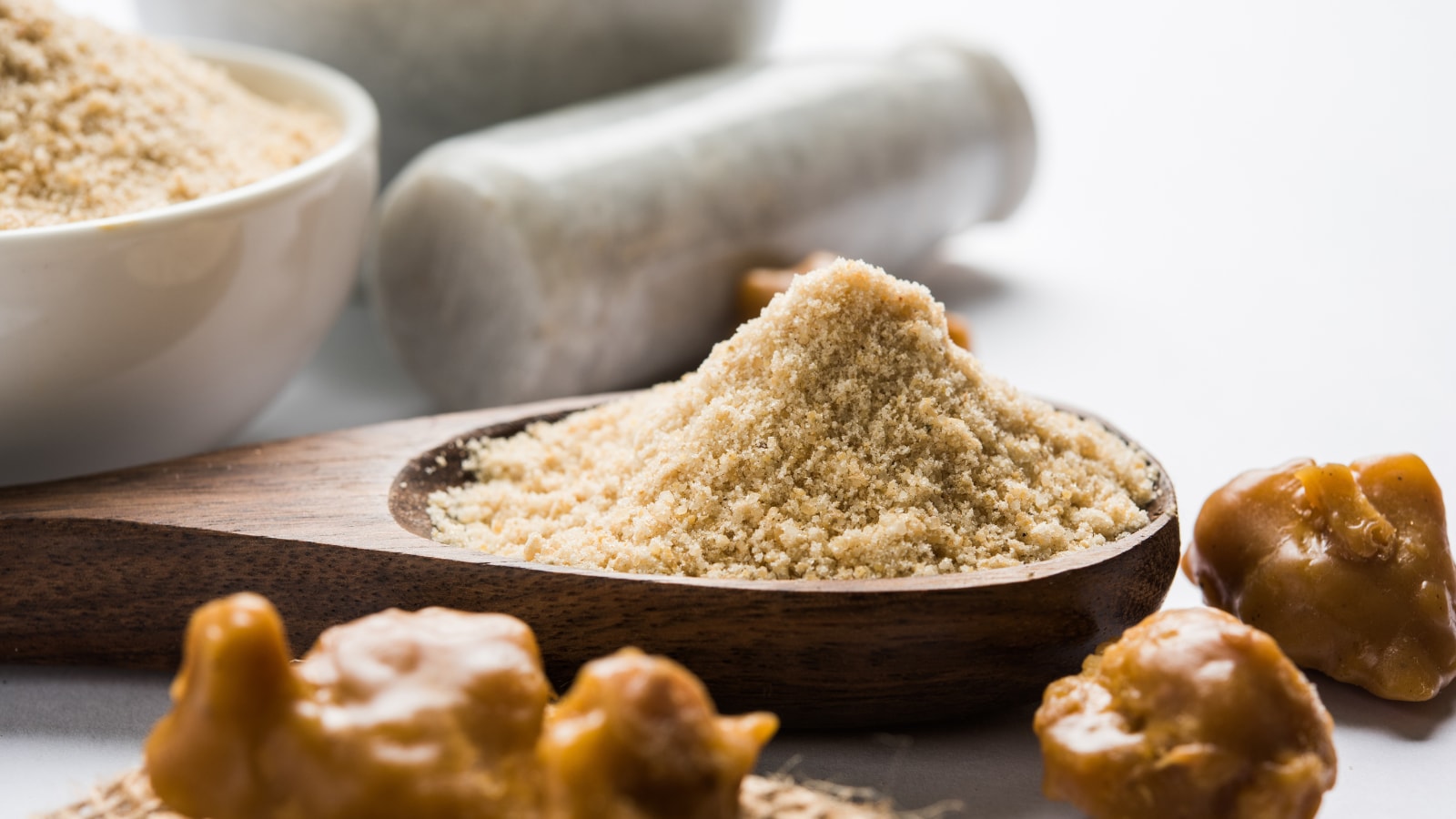
Pure Asafoetida (Hing Crystals): Most households use blended hing powder, but pure crystal asafoetida is a far rarer ingredient. Extracted from the dried sap of the Ferula plant’s roots, the process is labour-intensive and time-consuming. High-grade, unadulterated varieties can fetch remarkably high prices in speciality spice markets.
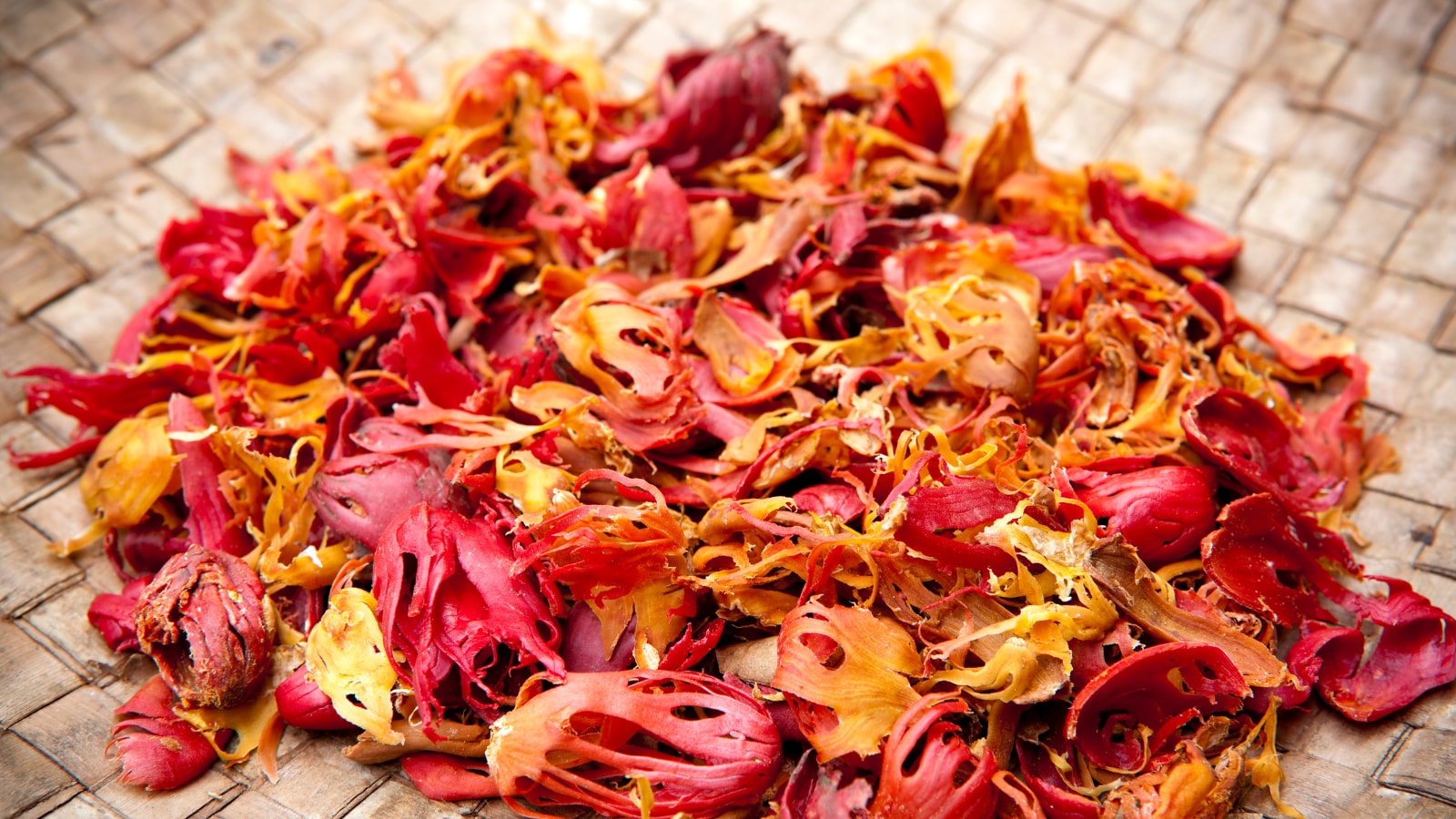
Mace (Javitri): Mace is the bright red outer covering surrounding the nutmeg seed and is valued for its delicate fragrance and flavour. Harvesting it requires careful separation from the shell without damage. Because yields are limited and processing is meticulous, premium whole mace remains a highly valued spice.
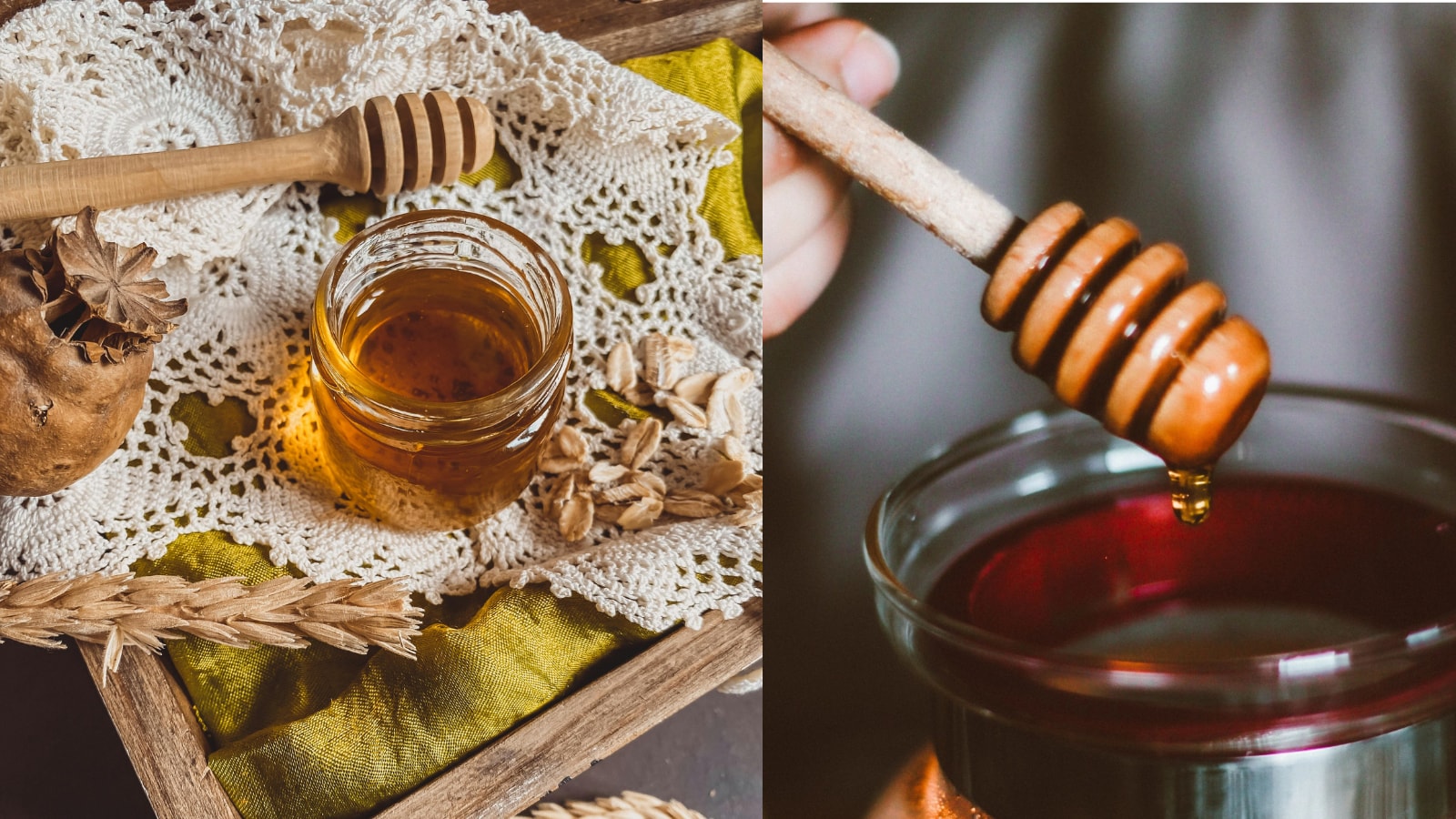
Pure Kashmiri Honey: Unlike mass-produced honey, pure Himalayan and Kashmiri honey is collected in limited quantities and often remains unpasteurised. Challenging harvesting conditions, specialised beekeeping practices, and regional sourcing contribute to its premium status, making authentic varieties considerably more expensive than regular commercial honey.
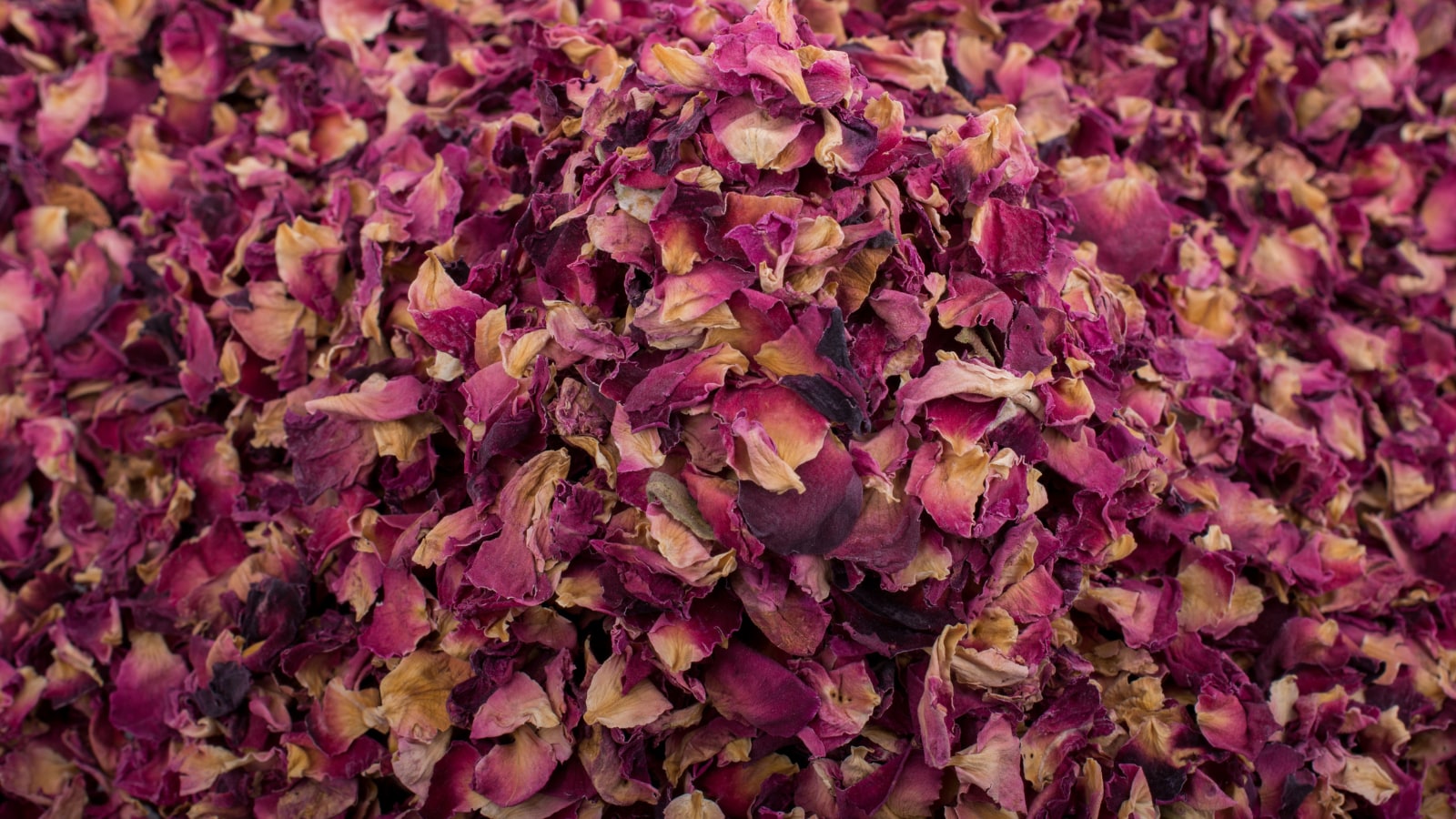
Dried Rose Petals (Gulab Patti): Frequently used in traditional sweets, beverages, and biryanis, dried rose petals are more valuable than they appear. Thousands of blossoms must be carefully picked at the right stage of bloom and gently shade-dried to preserve their fragrance, colour, and flavour, adding significantly to their cost.


