


A vegetable garden doesn’t need full sun – these plants can thrive in the shade


Conventional gardening wisdom often dictates that a productive vegetable patch requires full, all-day sun. However, a thriving garden doesn’t always necessitate the recommended six to eight hours of direct sunlight.
If fences, trees, or your home cast significant shade, cultivating vegetables is still possible by focusing on plants grown for their leaves, stems, or roots. This approach means avoiding fruit-bearing varieties like tomatoes, cucumbers, squash, or peppers. It’s important to clarify that ‘hours of sunlight’ refers to the unobstructed time the sun’s rays directly reach the soil each day.
These plants can thrive or at least get by with less sun
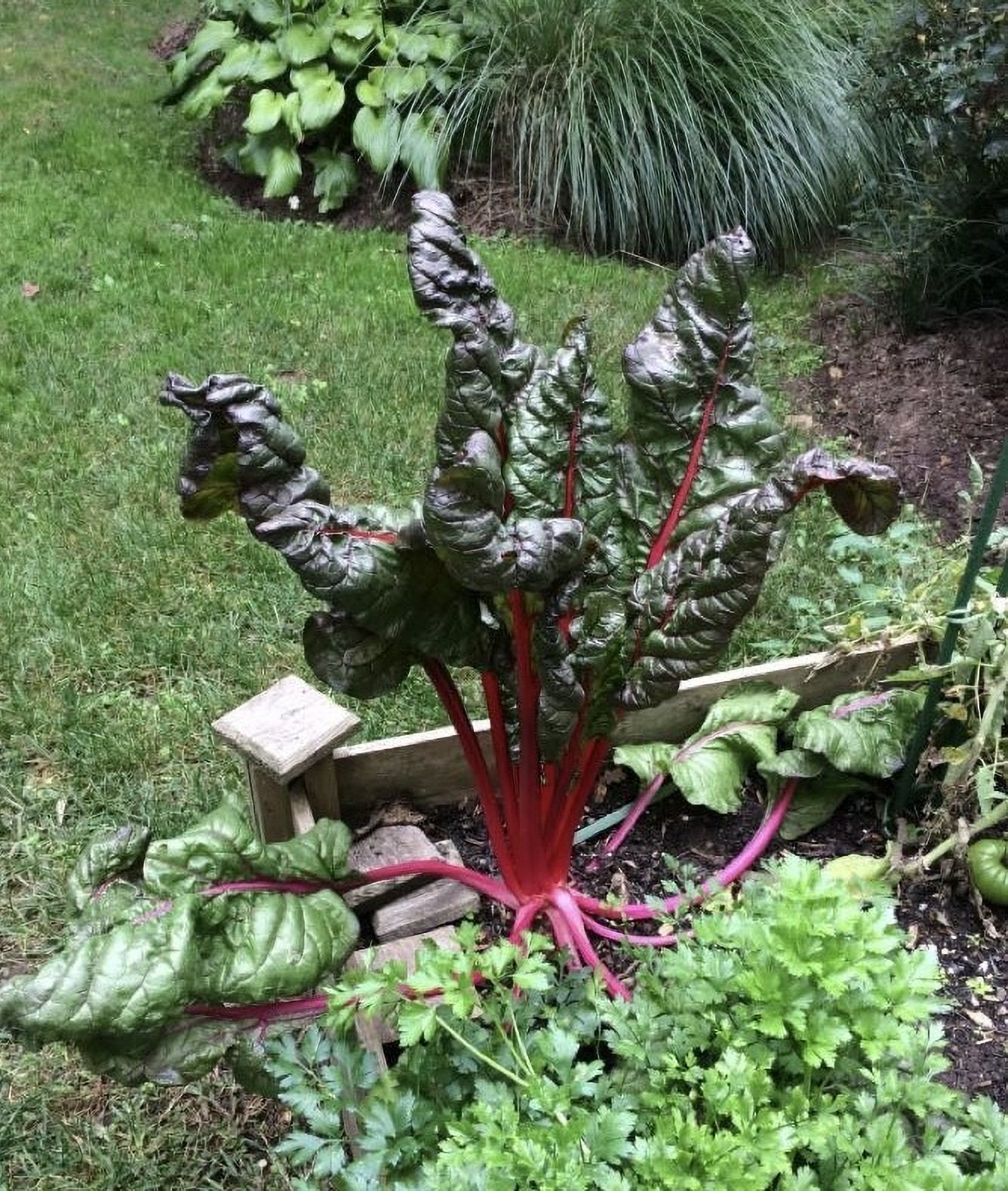
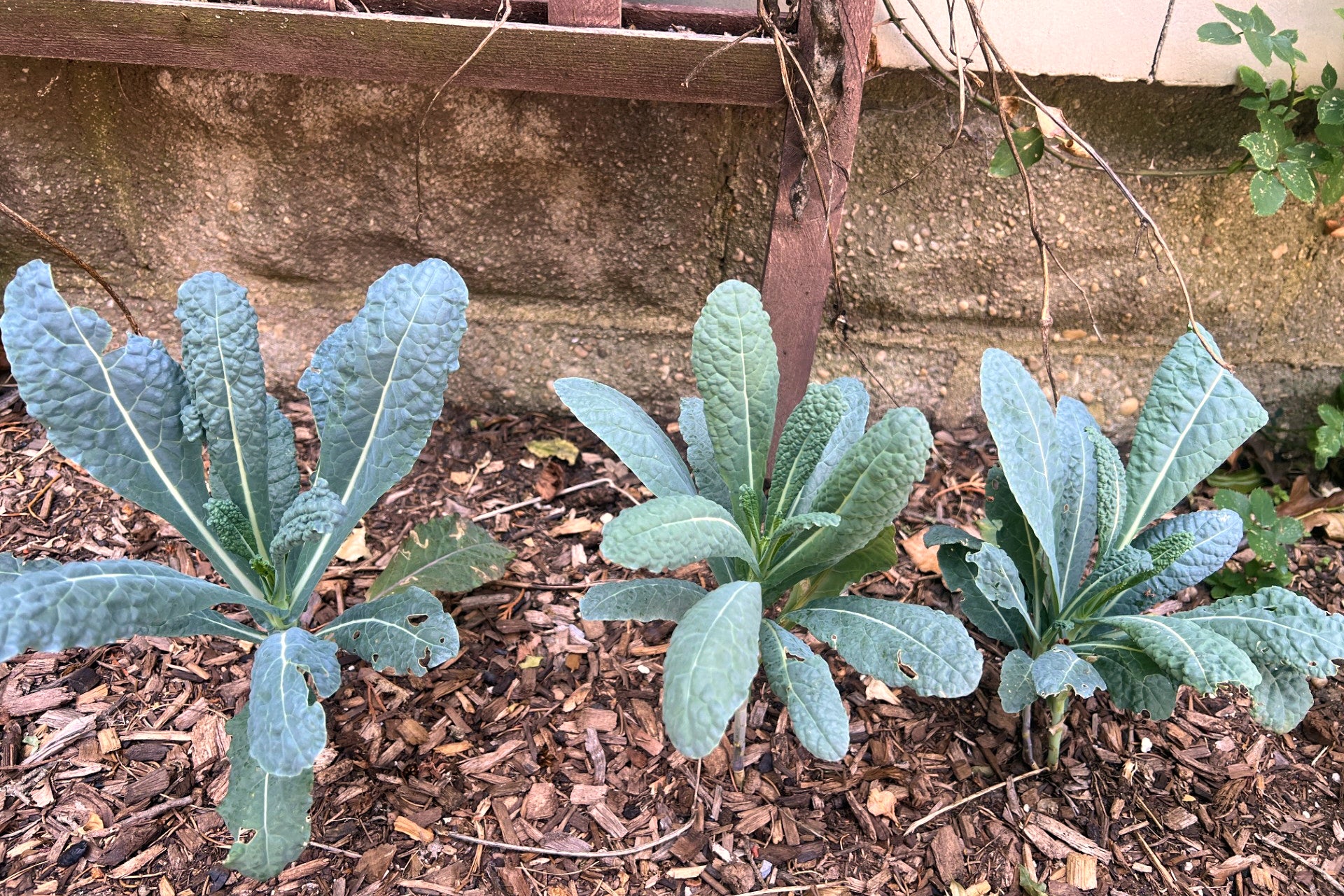
Most leafy greens are exceptionally shade-tolerant, thriving in as little as three to four hours of sunlight. Arugula, bok choi, chards, collard greens, kale, loose-leaf lettuces, mustard greens, radicchio and spinach are shade garden heroes.
Root vegetables require a little more sun but can be successfully grown in partially shady conditions. Full sun will produce larger harvests, but if your garden bed receives only four to six hours of sunlight, you can grow potatoes, carrots, beets, parsnips, radishes and turnips.
Leafy herbs, too, can be grown in lower-sun areas. In fact, protection from those blistering rays will prevent leaf scorch (browning or burning of leaves) and bolting (when a plant produces seeds prematurely and its leaves become bitter). Basil, chervil, chives, cilantro, lemon balm, mint and parsley are great choices for part shade.
How to help your plants do better in the shade
When growing crops in shady spots, it’s best to start seeds indoors or buy starter plants at the nursery. Most seeds require sunlight to germinate, so their sprouting may be hampered outdoors or at least take longer.
Shady gardens can benefit from the addition of reflective surfaces. Paint the fence white, or hang a strategically placed mirror. The sun’s rays will bounce off it, providing the energy plants need to photosynthesize.
If the sunniest spot in your landscape is already planted with flowers and other ornamentals, consider mixing in some edibles. Cherry tomatoes, rainbow chard, chives, sage and amaranth are beautiful plants that will fit in exceptionally well.
I’m growing garlic under my roses, and no one has noticed. In fact, they make fantastic bedmates, as the garlic chases away pests that would attack the roses. Its antimicrobial properties also help thwart fungal diseases.
Although it can be challenging to grow some plants in the shade, there are upsides.
For one, you’ll have to water less because soil moisture doesn’t evaporate as quickly as it does in full sun.
And, aside from slugs, most pests set their sights on sunny spots, so you’ll also have fewer infestations to deal with.


