


Breathability Is The New Luxury: Fashion’s Quiet Power Shift


Last Updated:
Breathability is redefining modern fashion, as comfort, lightweight fabrics, and performance-driven design emerge as key drivers of consumer choice and brand strategy.




Lightweight layers and fluid forms signal the shift towards comfort-first dressing.
In a season defined by rising temperatures and shifting consumer priorities, fashion is undergoing a quiet yet powerful recalibration. Once considered a secondary feature, comfort, particularly breathability has moved to the forefront, shaping not just design decisions but business strategies. Today, what a garment feels like is as critical as how it looks.
At the heart of this evolution is a more discerning consumer, one who is no longer willing to trade ease for aesthetics. Instead, they seek pieces that move with them, adapt to their environments, and hold up through the rhythms of everyday life. Breathability, in this context, has emerged as both a sensory and strategic benchmark.
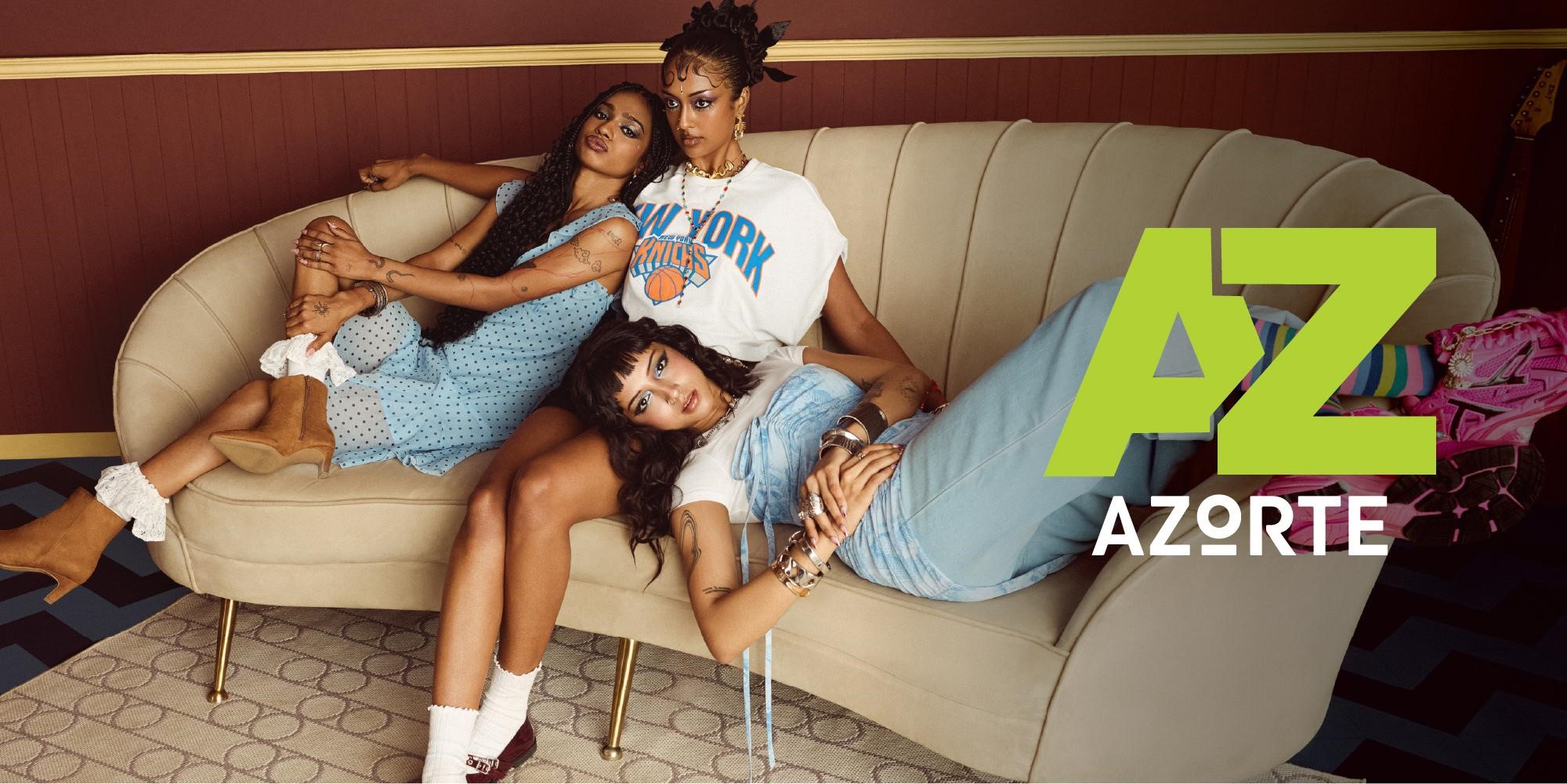
For Sara Fanning, Creative Head, Fashion & Lifestyle at Reliance Retail, this shift is deeply tied to how brands engage with a new generation of shoppers. At AZ by AZORTE, comfort is no longer a passive attribute but an active performance metric. Through its Pro-Earth line, the brand merges breathable fabrics with conscious design, creating garments that are as considered in their environmental impact as they are in their wearability. Simultaneously, its mainline offering speaks to Gen Z’s evolving definition of comfort, one that extends beyond physical ease into identity, fluid styling, and self-expression. Here, breathability becomes intertwined with confidence and authenticity, shaping a wardrobe that feels both effortless and intentional.
This idea of comfort as an emotional and physical experience is echoed by Designer, Philanthropist & Founder, Maheka Mirpuri, who sees breathability as a defining force even within luxury. Traditionally associated with structure and spectacle, couture is now responding to a demand for wearability. “Comfort has always been deeply personal,” she notes, pointing to a growing expectation that garments, whether festive or everyday must allow for movement, adaptability, and prolonged ease. For her label, this translates into a more thoughtful approach to materiality: lighter textiles, natural blends, and silhouettes that enhance airflow without compromising on design integrity. Breathability, in this sense, becomes not just a technical feature but a design philosophy, one that aligns elegance with effortlessness.

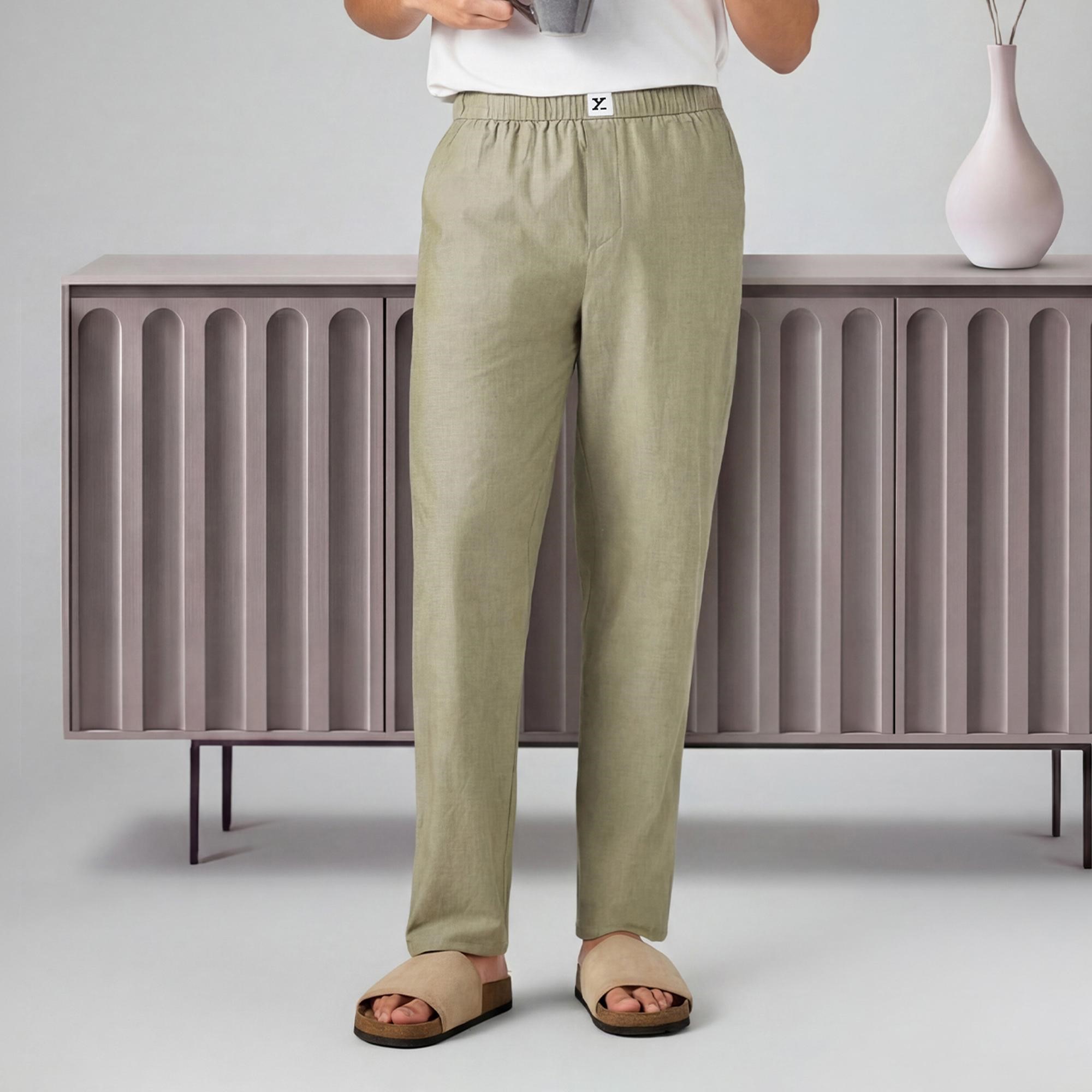
If luxury is being redefined by comfort, everyday wear is being engineered around it. At XYXX, breathability has evolved into a measurable business driver. As Harshad Panchal, Lead Designer, XYXX, explains, the brand approaches comfort as a core KPI, one that directly influences consumer loyalty and long-term growth. This has led to a fabric-first innovation strategy, where development begins at the level of yarn and material. Lightweight, moisture-wicking, and adaptive fabrics are not simply design choices but responses to the realities of India’s diverse and demanding climate. For today’s consumer, clothing must seamlessly transition across work, travel, and leisure, making breathability a tangible indicator of performance.
What unites these perspectives is a broader cultural shift: fashion is no longer about occasional dressing but about continuous living. Clothes are expected to keep pace with dynamic lifestyles, blurring the lines between categories and occasions. In this landscape, breathability functions as both a physical necessity and a symbolic marker of modernity, signalling a move towards garments that prioritise the wearer’s experience.
There is also a subtle but significant redefinition of luxury at play. No longer confined to embellishment or exclusivity, luxury today is increasingly about comfort, consciousness, and adaptability. A breathable fabric, once overlooked, now carries the weight of innovation, sustainability, and desirability.
Ultimately, the business of breathability reflects fashion’s deeper transformation, one where performance, purpose, and personal expression converge. As brands recalibrate their design languages and consumers sharpen their expectations, comfort is no longer an afterthought. It is the metric by which modern fashion is measured and the standard by which it will evolve.
April 27, 2026, 23:25 IST


