


Chest Pain Or Gas? Here’s How To Tell The Difference And When To Seek Medical Help


A burning sensation in the chest can be alarming, but it does not always mean a heart attack. Conditions such as acidity or gas can also cause similar discomfort. Because the symptoms often overlap, recognising the differences is important to avoid delaying medical care when it is truly needed.

According to Cardiologists distinguishing between heart attack pain and acidity-related discomfort can help people seek timely treatment.
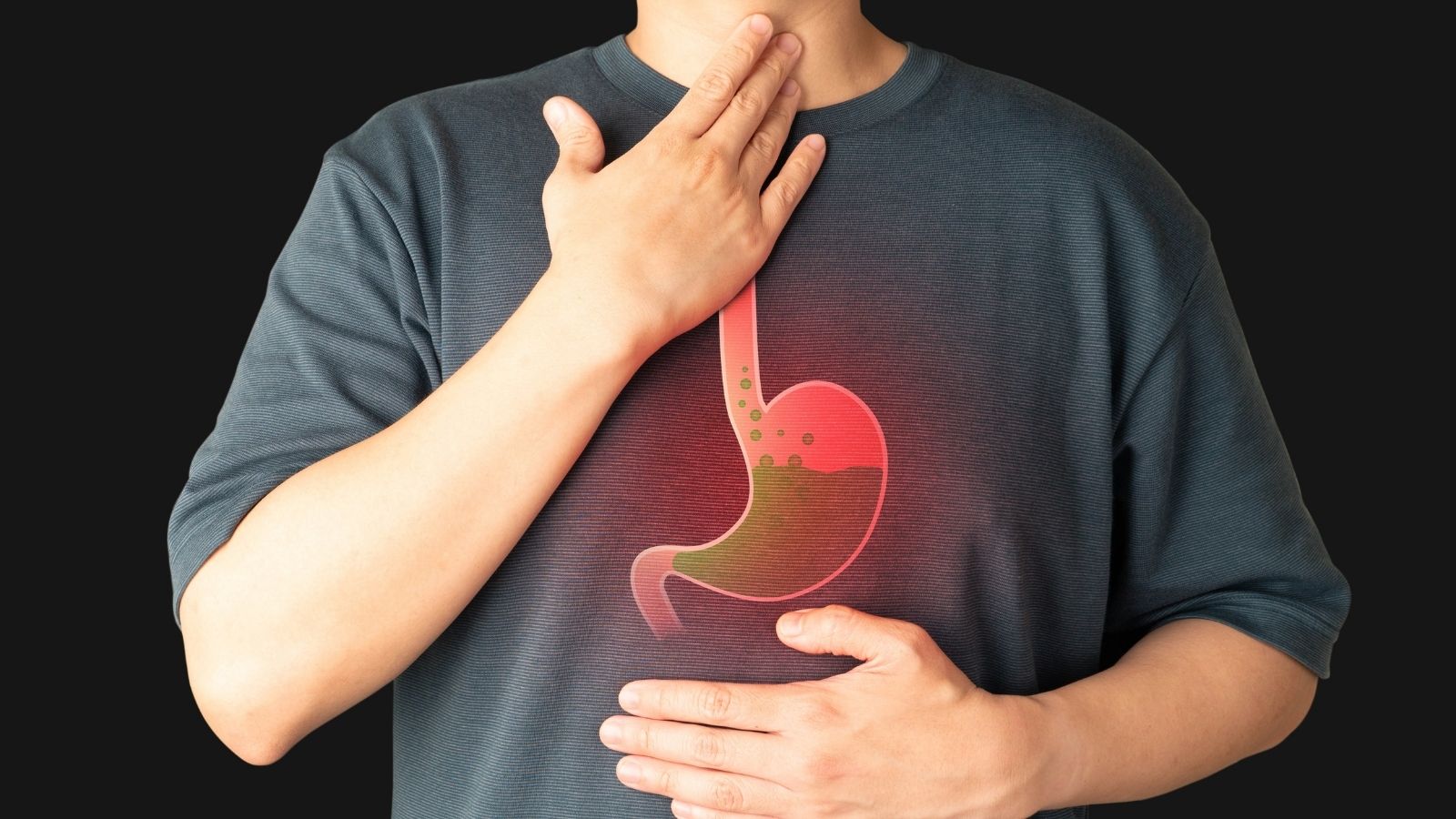
Heart attack vs acidity: Both conditions can cause chest pain, but for different reasons. Gas and acidity usually develop due to digestive issues or after eating certain foods. Excess gas can put pressure on the diaphragm, leading to chest discomfort. A heart attack, on the other hand, occurs when blood flow to the heart is blocked, making chest pain one of its most common symptoms.

How can you recognise a heart attack? Most people experiencing a heart attack first notice pain or pressure in the left side of the chest. The pain may spread to the left arm, neck or jaw, and many describe it as unlike anything they have felt before. Excessive sweating may also occur along with the pain.
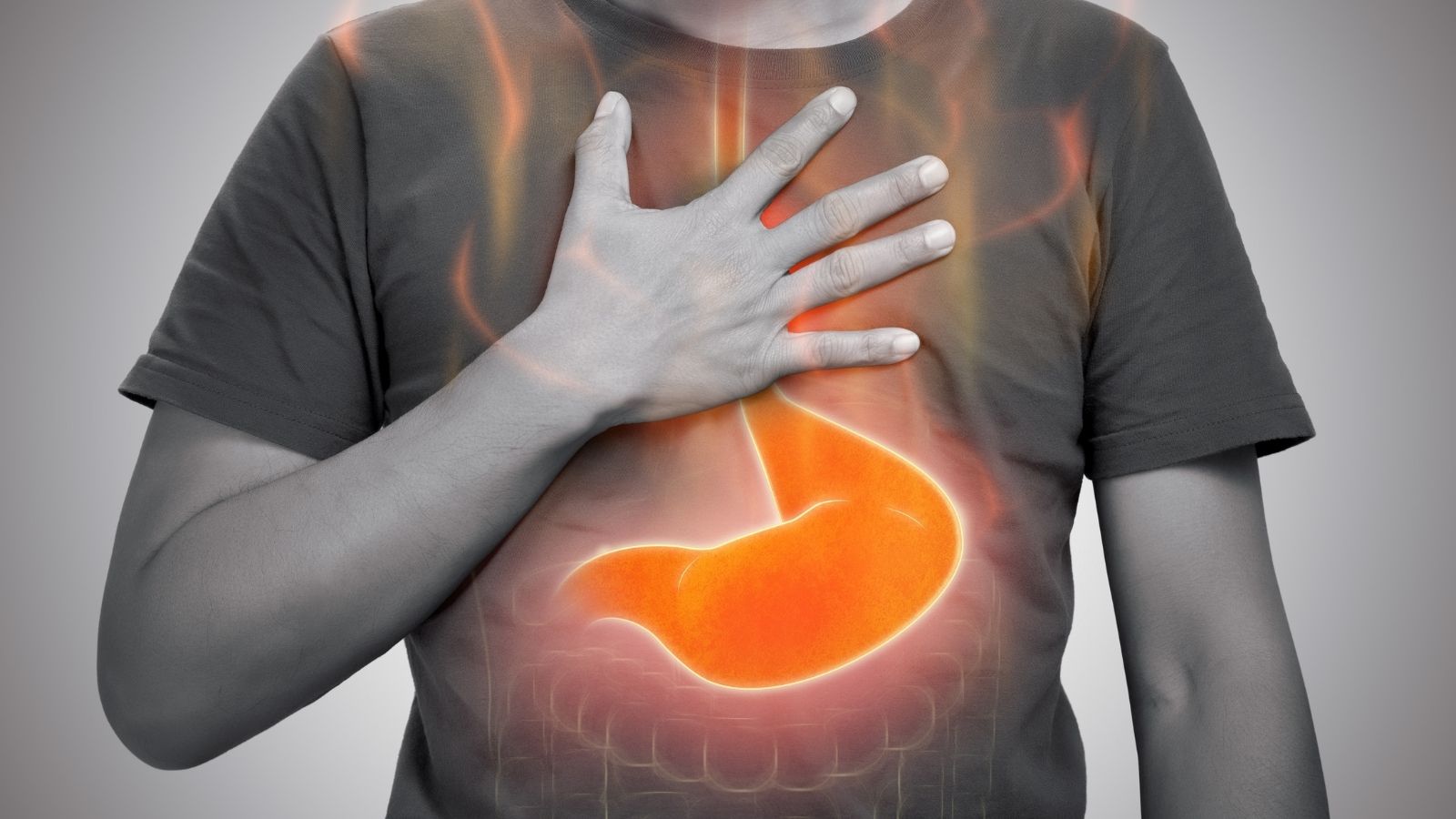
Common signs of acidity or gas-related chest pain: According to Dr Sabaria, symptoms may include: A burning sensation in the chest or upper abdomen, discomfort that begins after eating, symptoms that worsen when lying down within two hours of a meal, relief after taking antacids, a sour or acidic taste in the mouth while lying down.

Common symptoms of a heart attack include: Chest pain spreading to the left arm, neck or jaw, nausea or abdominal discomfort, shortness of breath, excessive sweating, unusual fatigue, dizziness or fainting.
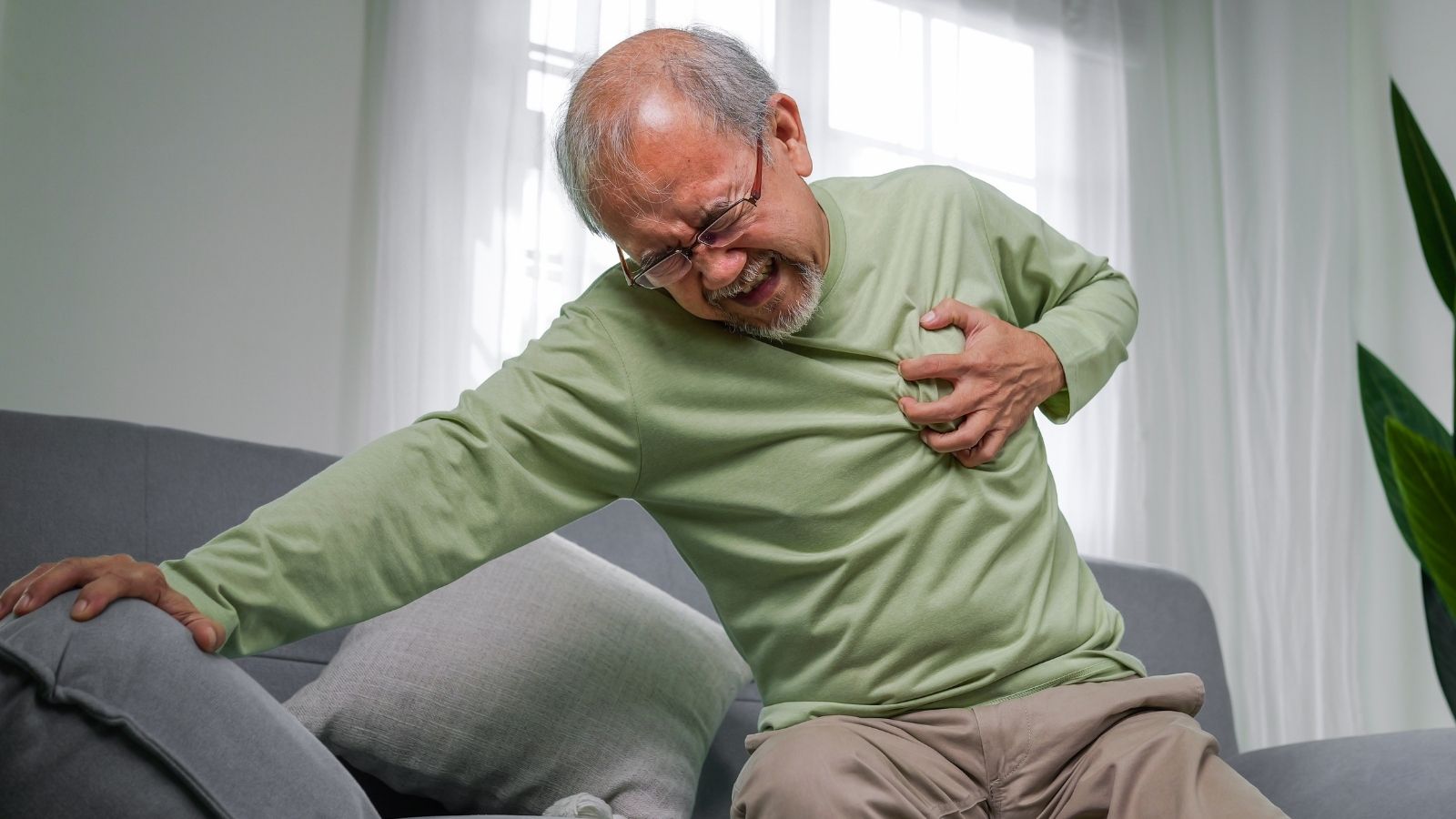
When should you seek medical help? If you experience chest pain along with excessive sweating, pain radiating to the left arm or neck, shortness of breath or a heavy feeling in the chest, seek immediate medical attention. People with existing heart disease should never ignore these symptoms. Regular heart health screening is generally recommended for men after the age of 45 and women after the age of 55, as advised by their healthcare provider.
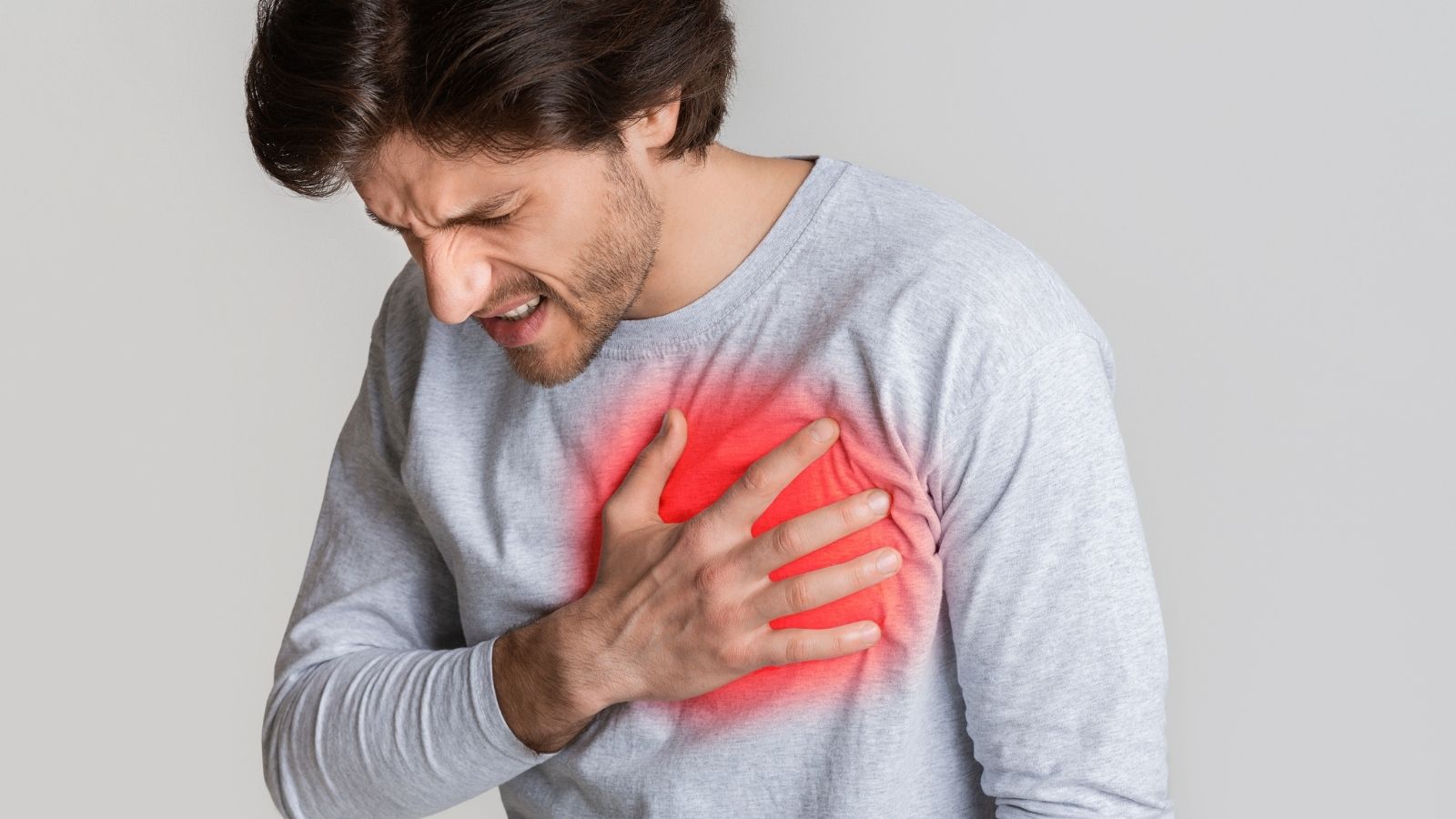
Disclaimer: This gallery is for informational purposes only and is not a substitute for professional medical advice, diagnosis or treatment. If you experience chest pain or suspect a heart attack, seek emergency medical care immediately.


