


Cuffing Season Explained: The Science Behind Winter Romance


As autumn fades and winter approaches, the dating landscape undergoes a noticeable shift, ushering in what’s popularly known as cuffing season. This period sees a surge in singles seeking romantic companionship, driven by a desire for warmth and emotional connection during the colder months. (Image: Canva)

While it may appear to be a passing trend, the phenomenon is deeply rooted in science, human behavior, and environmental factors. The shorter days and dropping temperatures often trigger a longing for intimacy, prompting people to form temporary relationships to combat seasonal loneliness. (Image: Canva)

Cuffing season typically begins in late fall and stretches through the winter, often wrapping up around Valentine’s Day. (Image: Canva)

The term “cuffing” comes from “handcuff,” symbolizing the idea of being tied to someone. During this time, even those who usually prefer casual relationships may find themselves more inclined to date. Though it’s often seen as a modern social pattern, the instinct to seek companionship in colder months has ancient roots, when survival often depended on emotional and physical closeness. (Image: Canva)

Given the shorter span of daylight which mostly gets spent while performing outdoor activities, the person would feel lonely, wishing to have a partner by their side for warmth and association. Here are the reasons why the urge to date someone increases during this time of the year. (Image: Canva)

Seasonal Affective Disorder (SAD): As sunlight becomes scarce during winter, many individuals experience Seasonal Affective Disorder (SAD), a type of depression linked to seasonal changes. Characterized by low energy, mood swings, and feelings of isolation, SAD often heightens the desire for emotional connection and companionship during the colder months. (Image: Canva)

Hormonal Shifts: Studies indicate that colder temperatures can lead to a drop in testosterone levels, particularly in men. This seasonal fluctuation may trigger a stronger inclination toward romantic relationships, as intimacy and bonding can help counterbalance hormonal dips and enhance emotional well-being. (Image: Canva)
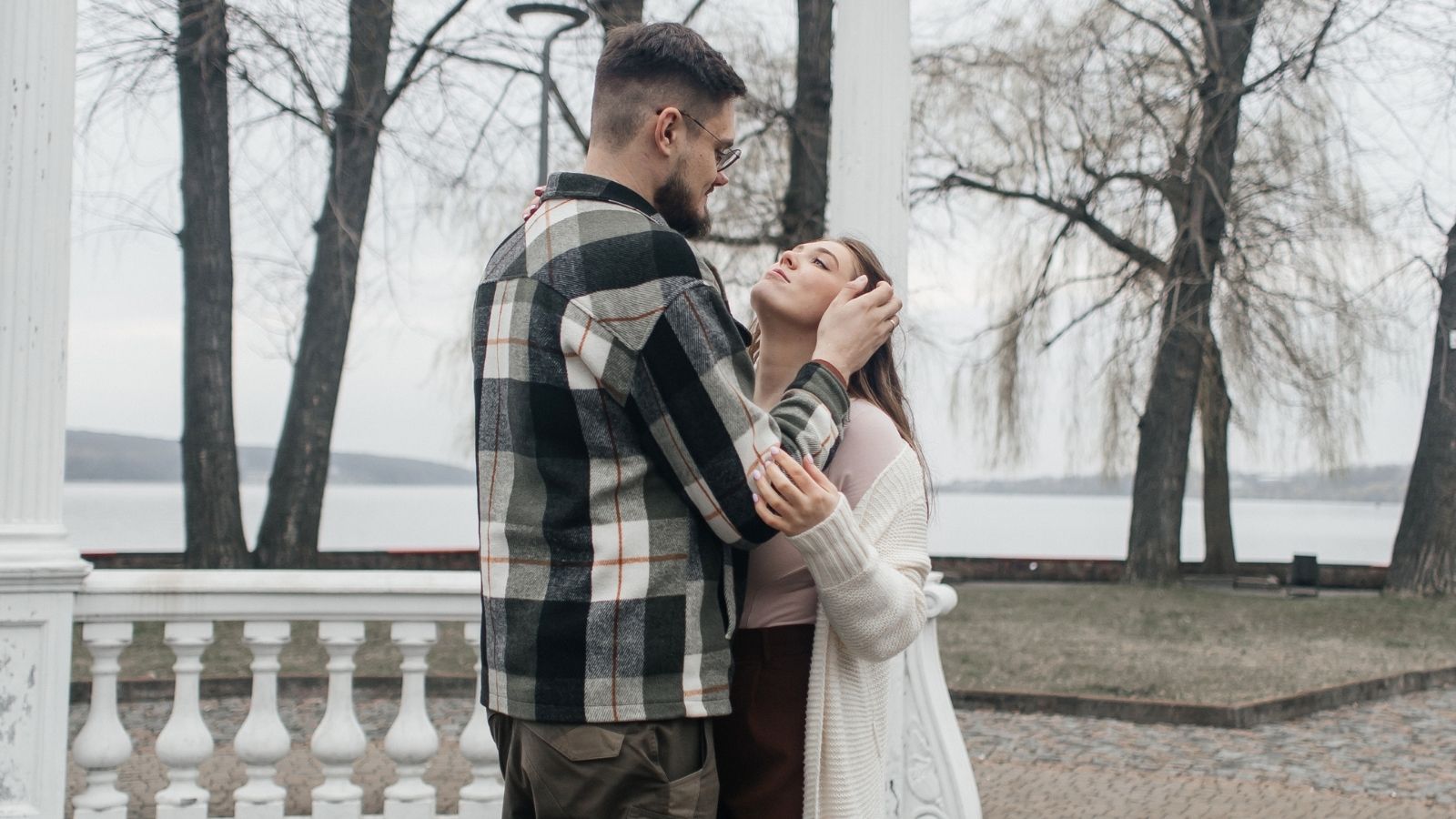
Social Behaviour: As outdoor activities dwindle during the colder months, people naturally spend more time indoors. This shift often leads to heightened social interaction and emotional reliance, prompting many to seek romantic relationships and intimate companionship to fill the seasonal void. (Image: Canva)
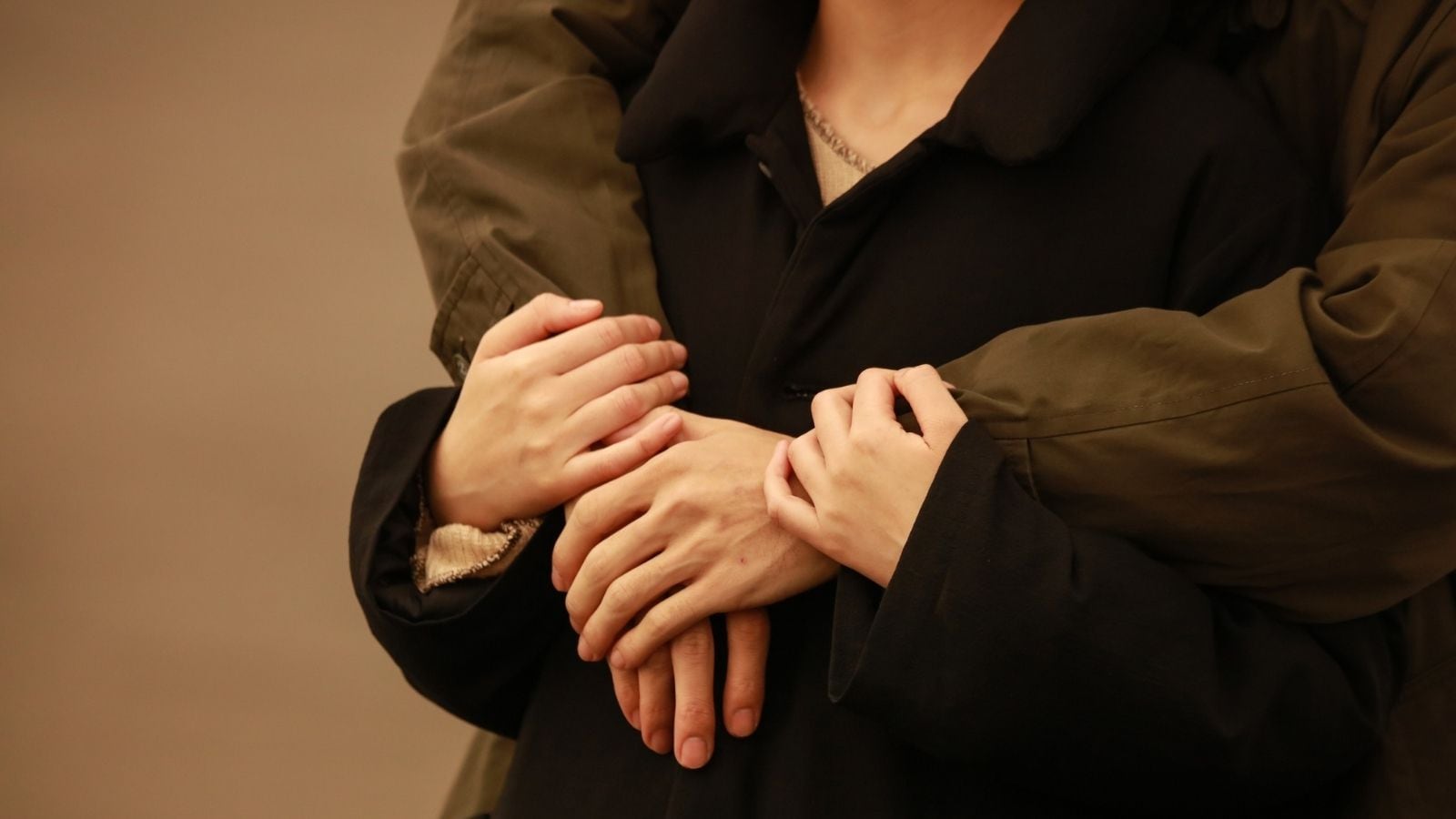
Though cuffing season may seem like a celebration of love and companionship, it’s not without its pitfalls. Relationships formed during this time often stem from seasonal loneliness rather than genuine compatibility, which can lead to misunderstandings and emotional turbulence. As the season shifts, many of these connections struggle to endure, revealing the challenges behind the cozy facade. (Image: Canva)


