


Exercise wasn’t for me – now I’m a fitness coach. Here’s what changed


The article below is an excerpt from my newsletter: Well Enough with Harry Bullmore. To get my latest thoughts on fitness and wellbeing pop your email address into the box above to get the newsletter direct to your inbox.
Exercise doesn’t always make a good first impression. Often, the opposite is true.
A recent survey found that unpleasant experiences in PE lessons put 28 per cent of people off exercise “for life”.
In the UK, if you didn’t take to football, rugby, athletics or netball like a duck to water, there’s a high chance you came to believe that sport isn’t for you.
Then, as an adult, someone stresses the importance of exercising for your health, so you do what everyone else seems to be doing and go for a run. That invariably feels horrible because your body isn’t quite ready for it, so you stop.
The thing missing throughout this process is choice. It’s hard to develop a healthy relationship with something you feel forced into. But exercise becomes less of a chore if you can find a form of movement you enjoy and actively choose to do on a regular basis – whether that’s swimming, pickleball, home workouts, qigong, Nordic walking or something else.
That is the theme of this week’s newsletter – making exercise work for you:
This probably isn’t the first time you’ve been told to enjoy exercise. That’s easier said than done – and far harder for some than others. Simply running more or pressuring yourself to go to the gym every day isn’t going to work. But that doesn’t mean it isn’t possible.
Anne Dockery, a 77-year-old champion runner and triathlete from Bristol, demonstrates this point beautifully. Her bulging medal cabinet would turn any athlete green with envy, yet she only started running at 52.
“I thought running was really boring at first,” she tells me, laughing. “Now I don’t know what I would do without it.”
So what changed? She joined a club.
Anne became part of a diverse group of runners who hit the trails and tarmac every Sunday. They chatted, they ran, and she soon found herself covering up to 18 miles in a day. But it didn’t feel like exercise – by adding a social element, she found a way to make it fun.
There’s a lot more to Anne’s story, including her fight for fitness brands to represent over-45s fairly, which I’ll be diving into in next week’s newsletter.
This is not an isolated case. My uncle joined a volleyball club in his sixties. In the past decade, my mum and several friends have discovered the unbridled joy of Cornish pilot gig rowing. Another friend found a dance class she loves and hasn’t looked back.
Few of these activities feature in school curriculums or exercise guidelines, but they are all forms of movement. And as World Health Organisation guidelines from 2020 state: “Every move counts towards better health.”
I’ve experienced this personally, too. After growing like a weed during my sixteenth summer, I joined a new sixth form as a gangly teen in a foreign-feeling body. I felt awkward and uncomfortable – bulking up in the gym felt like a straightforward solution.
So I went along, lifted a few weights to the best of my ability, then spotted people sniggering at my efforts and promptly left. The gym was clearly not for me.
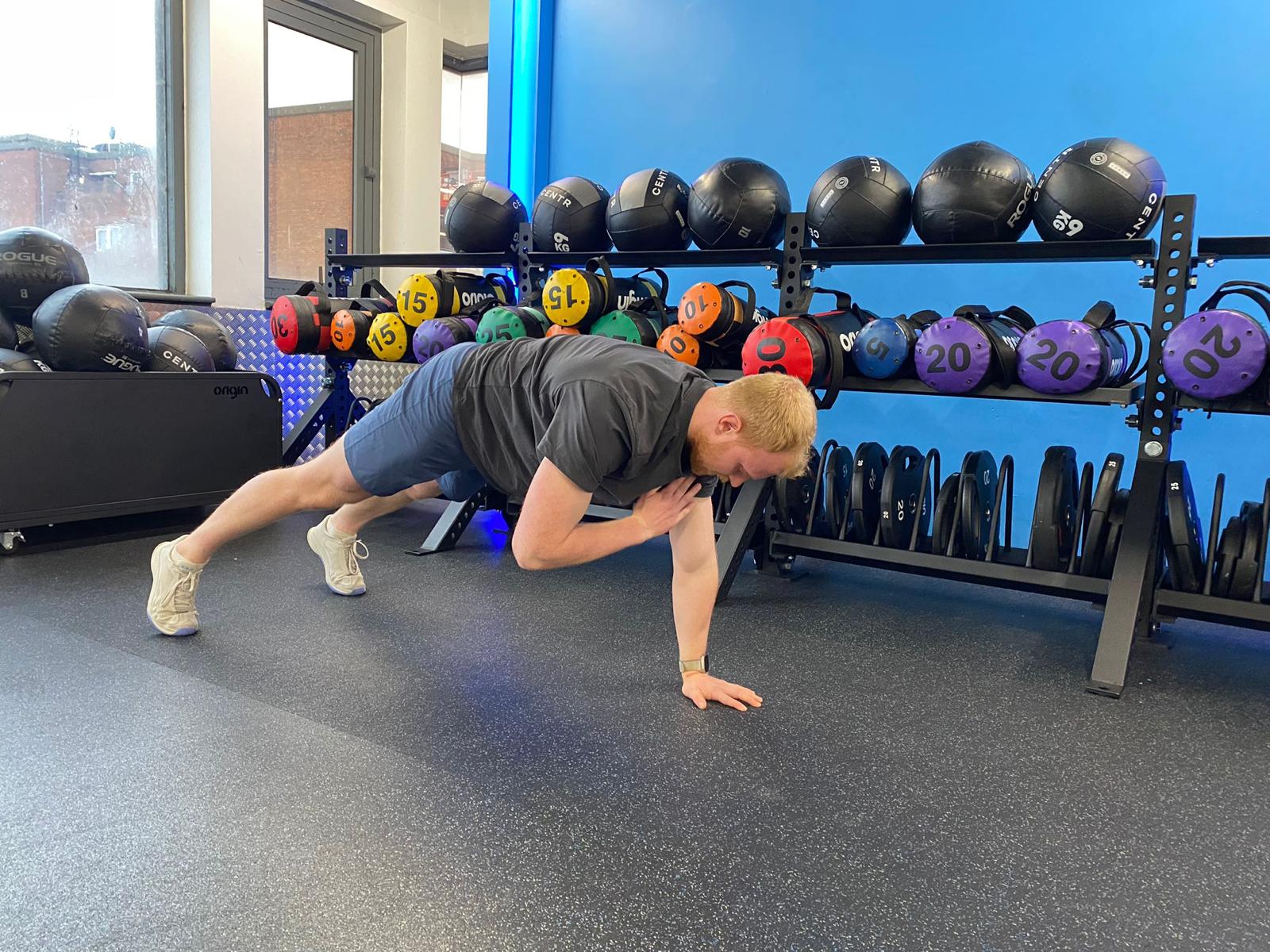
Fast forward to 2026, and I now write about fitness for a living while teaching people how to lift weights outside of my nine-to-five. What happened in between? I made lifting weights work for me and regained exercise autonomy in the process.
I don’t think anyone enjoys being sniggered at (although I’ve since found most gyms are supportive environments). But what I do love is learning.
So I went to a discount store, picked up a cut-price set of spinlock dumbbells and a barbell, then started inhaling every piece of strength training-related literature I could get my hands on.
I proceeded to pump iron in my garden shed over the coming months. My body changed, my mindset changed, and I grew to love it. Later, I was able to return to the gym with a pep in my step and a self-made exercise plan in my back pocket.
One of the best ways to build confidence is to start exercising with a coach. Once you’ve learned how to perform five to 10 fundamental full-body exercises (think squats, lunges, presses and rows) with good form, you have everything you need to build a robust body.

If the gym environment feels intimidating, accessible home workouts – like the one featured in The Independent’s strength training guide – are a great, time-savvy alternative.
Or you can increase the enjoyment factor by heading outside with sessions like coach Dan John’s favourite kettlebell workout. There are extra health benefits if you can rope in a few friends too – an ongoing 80-plus-year Harvard study has highlighted the importance of strong social connections in living a longer, healthier life.
Of course, these two examples only cover strength training. From all the reading and interviews I’ve done, the optimal exercise mix (on paper) involves regular strength training, challenging your heart and lungs at least a couple of times per week, and a good dose of general movement (ie walking).
But the more important takeaway from this newsletter is that any movement is better than none – and fun is invaluable. Combine the two and you’ll be laughing.
Get the Well Enough newsletter
To receive Well Enough with Harry Bullmore, simply enter your email address in the box at the top of this page.
You can also head to our newsletter preference centre to sign up for the email.
Once there, all you need to do is press the ‘+’ button and enter your email address to sign up.


