


Gas Cylinder Emptying Too Fast? Try These Simple Gas-Saving Tricks


With cooking gas prices rising, many households are looking for ways to reduce LPG consumption. Experts say a dirty gas burner could be one of the hidden reasons your cylinder is emptying faster than expected.
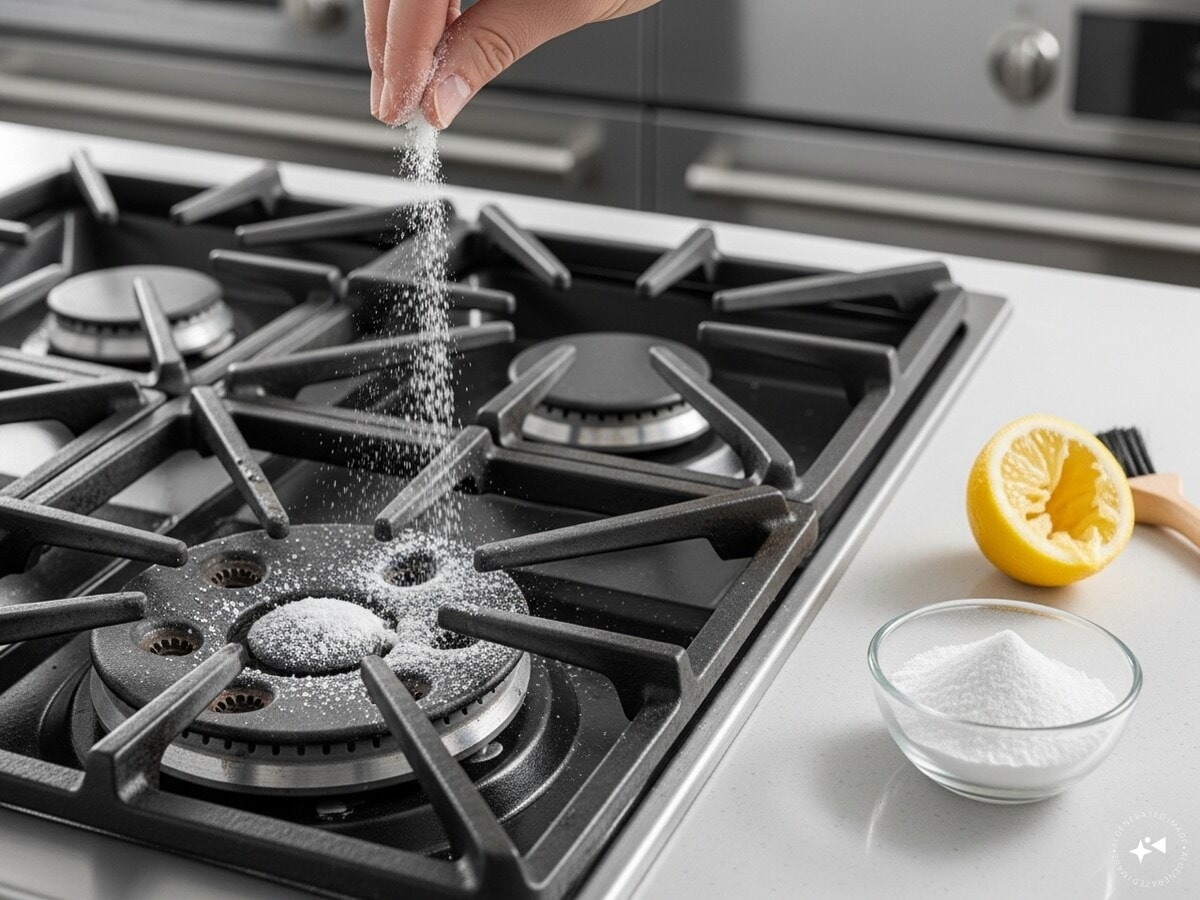
A Dirty Burner May Be Wasting Your Gas: Milk, tea, oil, and food spills often fall onto stove burners during daily cooking. Over time, these residues turn into carbon deposits that clog the tiny burner holes, affecting the flame and increasing gas usage.
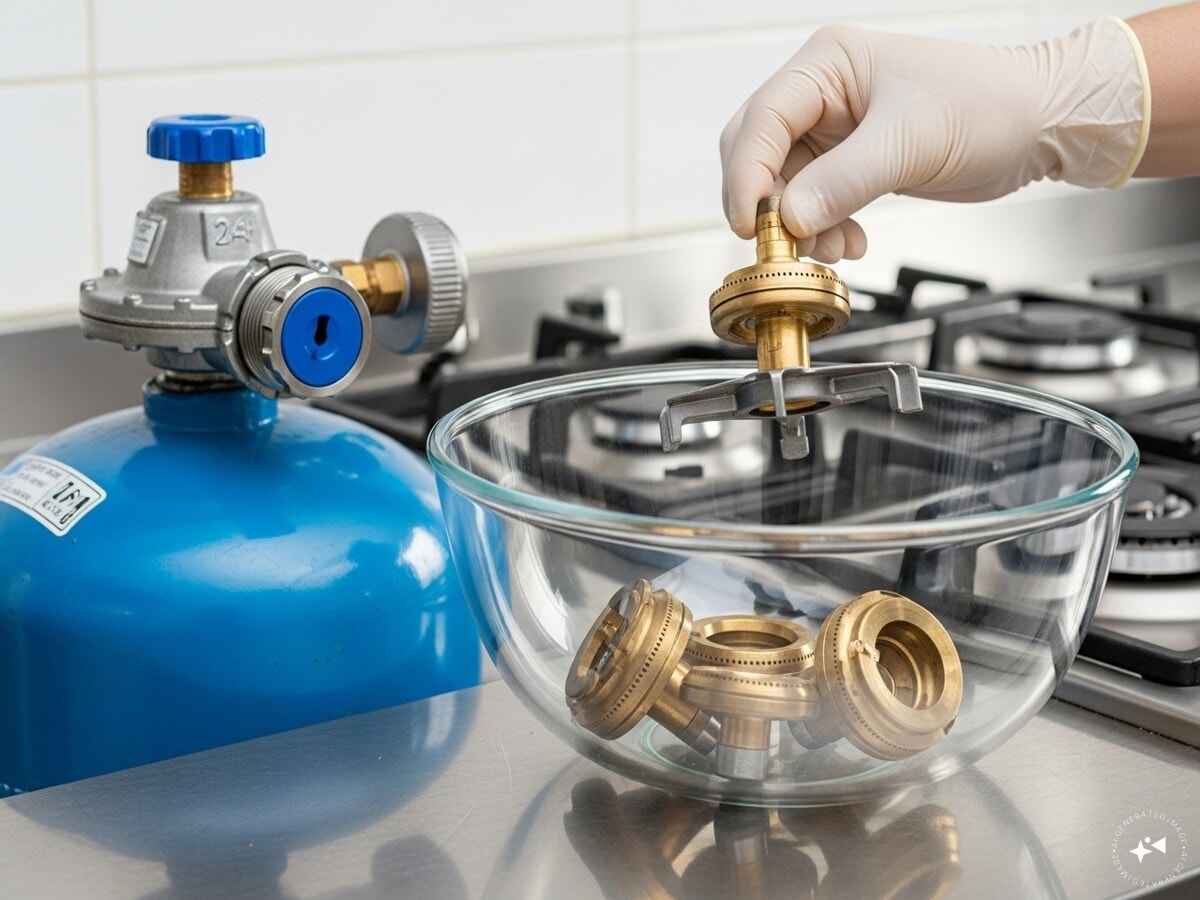
Yellow Flame? That’s A Warning Sign: A healthy gas flame should be blue. If your burner produces a yellow or orange flame, it may indicate incomplete combustion caused by blocked burner holes. This not only wastes gas but can also leave black soot on cookware.
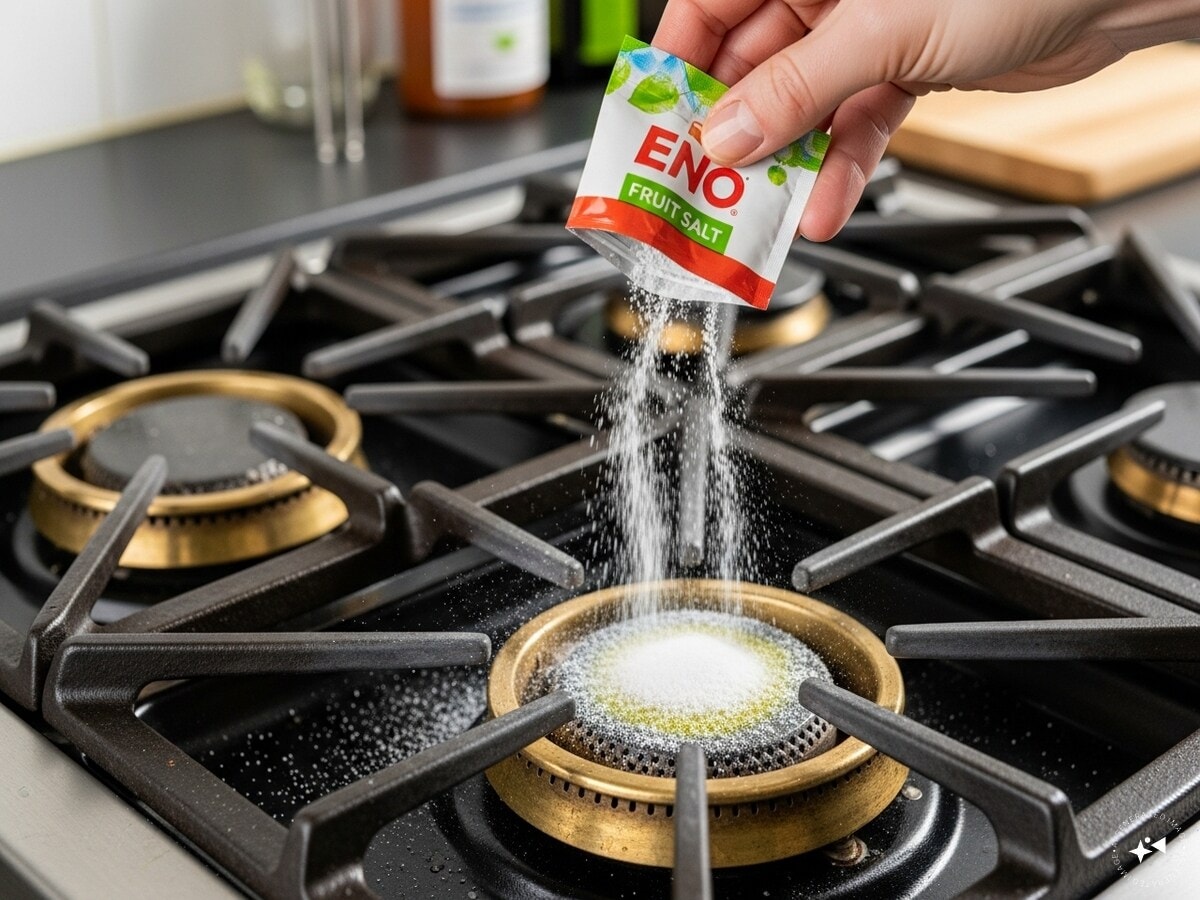
All You Need Is Eno And Citric Acid: A cleaning expert from Uttar Pradesh recently shared a simple burner-cleaning hack that has gone viral online. The method uses two common household items—Eno and citric acid—to help dissolve grease, carbon buildup, and stubborn dirt inside the burner.
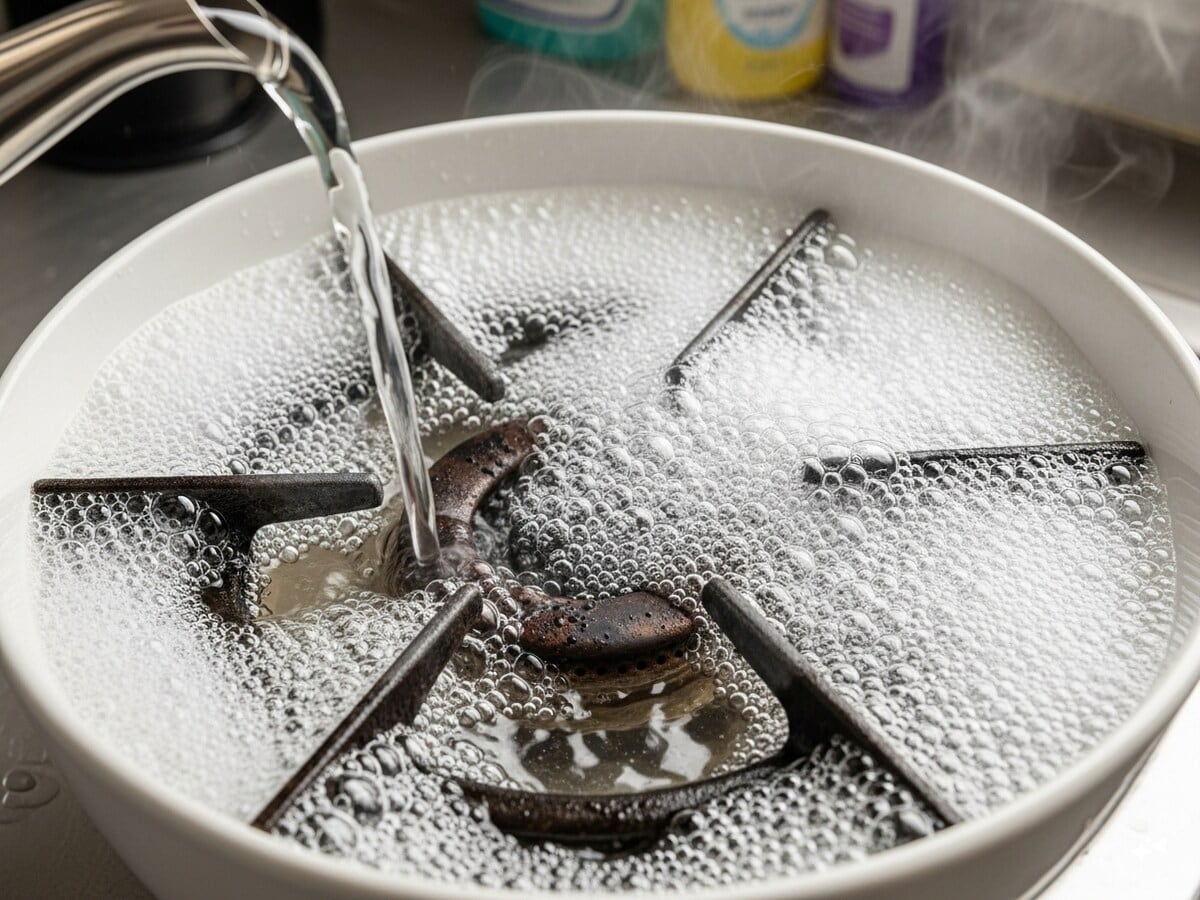
Follow These Easy Steps: First, switch off the gas regulator and remove the burners carefully. Place them in a deep glass or plastic bowl. Sprinkle 1–2 teaspoons of citric acid on each burner, add a packet of Eno, and then pour hot water over them. The mixture will begin fizzing immediately, helping loosen dirt trapped inside the burner holes.
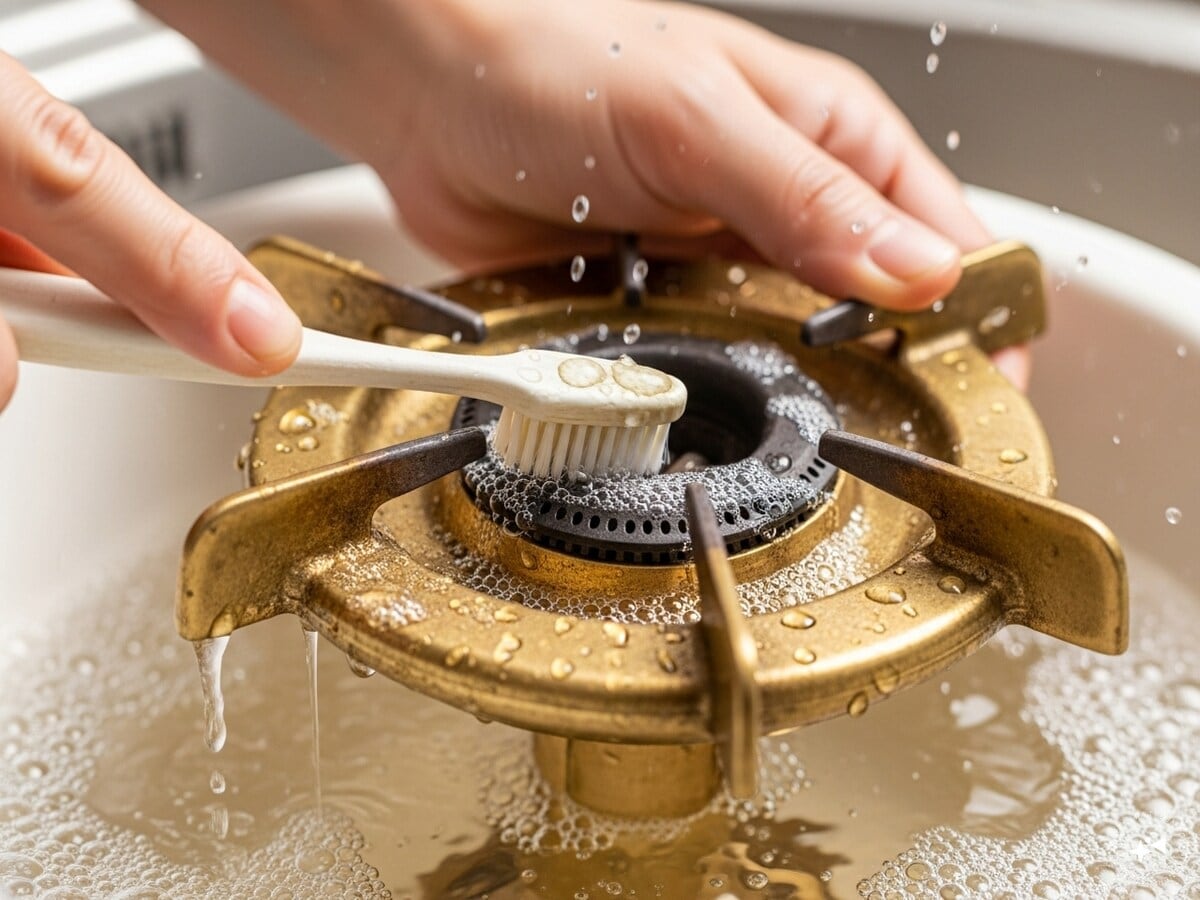
Rinse, Dry And Save Gas: Once the water cools down, scrub the burner gently with an old toothbrush or soft scrubber. Rinse thoroughly, dry completely, and ensure no water remains in the holes before reinstalling it. Experts say regular cleaning can improve flame efficiency, reduce gas wastage, and even extend the life of your burner.
Disclaimer: This tip is based on information shared by experts and viral online demonstrations. Readers should exercise caution and follow proper safety measures while handling gas appliances.


