


GK: Which City Has The Oldest Public Bus Transport System In India?


Before app-based taxis and metro rail transformed urban travel, one Indian city had already built a bus network that became the backbone of daily life. For generations, millions of commuters have relied on its unmistakable red buses to get to work, school, and home. That city is Mumbai. (Image: Pexels)
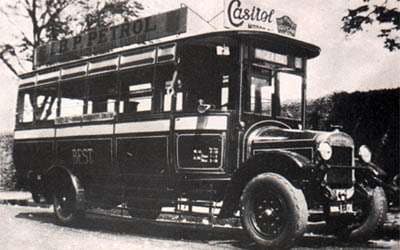
The city’s public bus service, operated by the Brihanmumbai Electric Supply and Transport (BEST) undertaking, is widely recognized as India’s oldest continuously operating public bus transport system. BEST launched its first bus service on July 15, 1926. The inaugural route ran between Afghan Church in Colaba and Crawford Market (now officially known as Mahatma Jyotiba Phule Market). The service quickly became popular, offering a dependable alternative to trams and horse-drawn transport. (Image: Wikimedia Commons)
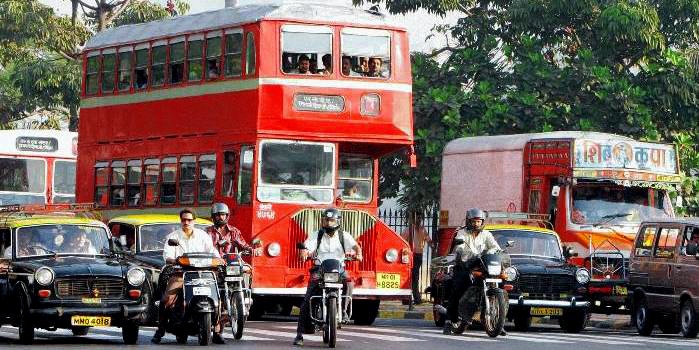
The earliest buses were simple single-decker vehicles imported from overseas. They were far less comfortable than modern buses, but they represented a major leap forward for public transportation in India. Over time, BEST introduced double-decker buses, which became one of Mumbai’s most iconic symbols. (Image: Wikimedia Commons)
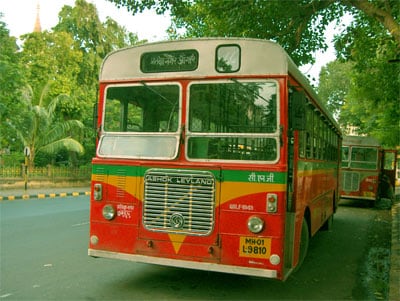
Mumbai’s rapid growth made efficient public transport essential. BEST connected neighbourhoods across the city and provided an affordable option for millions of residents. For many Mumbaikars, the red BEST bus became part of everyday life and a symbol of the city itself. (Image: Wikimedia Commons)
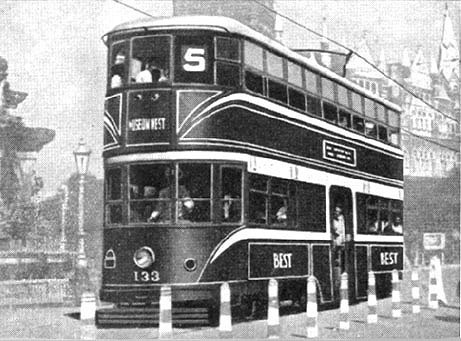
BEST began as an electric tram operator before launching bus services. Millions of passengers have used the service over the decades. (Image: Wikimedia Commons)
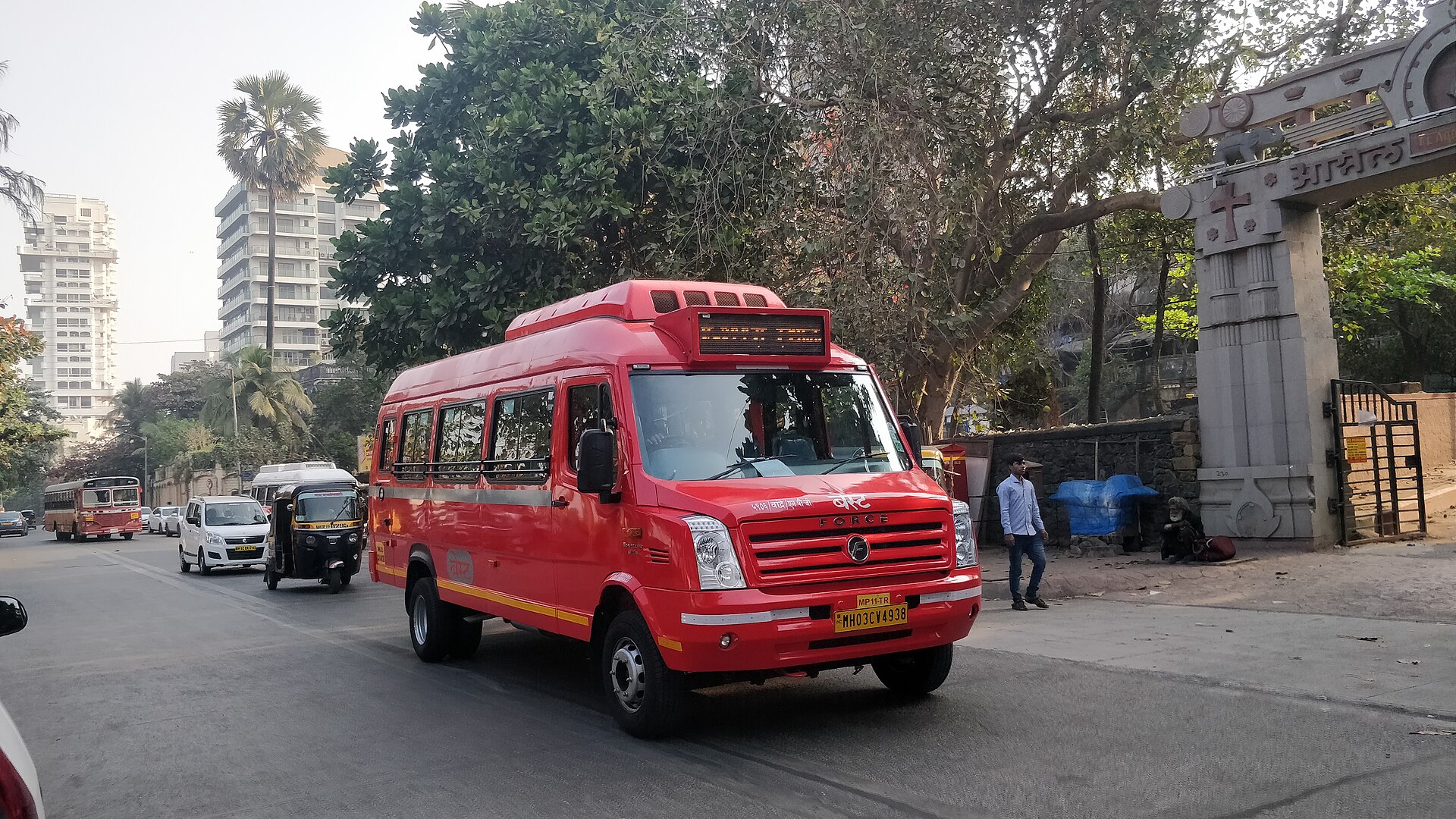
Public buses remain one of the most affordable and accessible ways to travel in Indian cities. Mumbai’s pioneering bus network laid the foundation for organized road transport across the country. (Image: Wikimedia Commons)


