


GK: Which Is The Largest Fort In India?


For centuries, forts across India have served as enduring symbols of power, protection, and royal governance. Built across hills, plains, and key trade routes, these massive structures safeguarded kingdoms from invasions while shaping the subcontinent’s political and cultural history. (Image: Pexels)
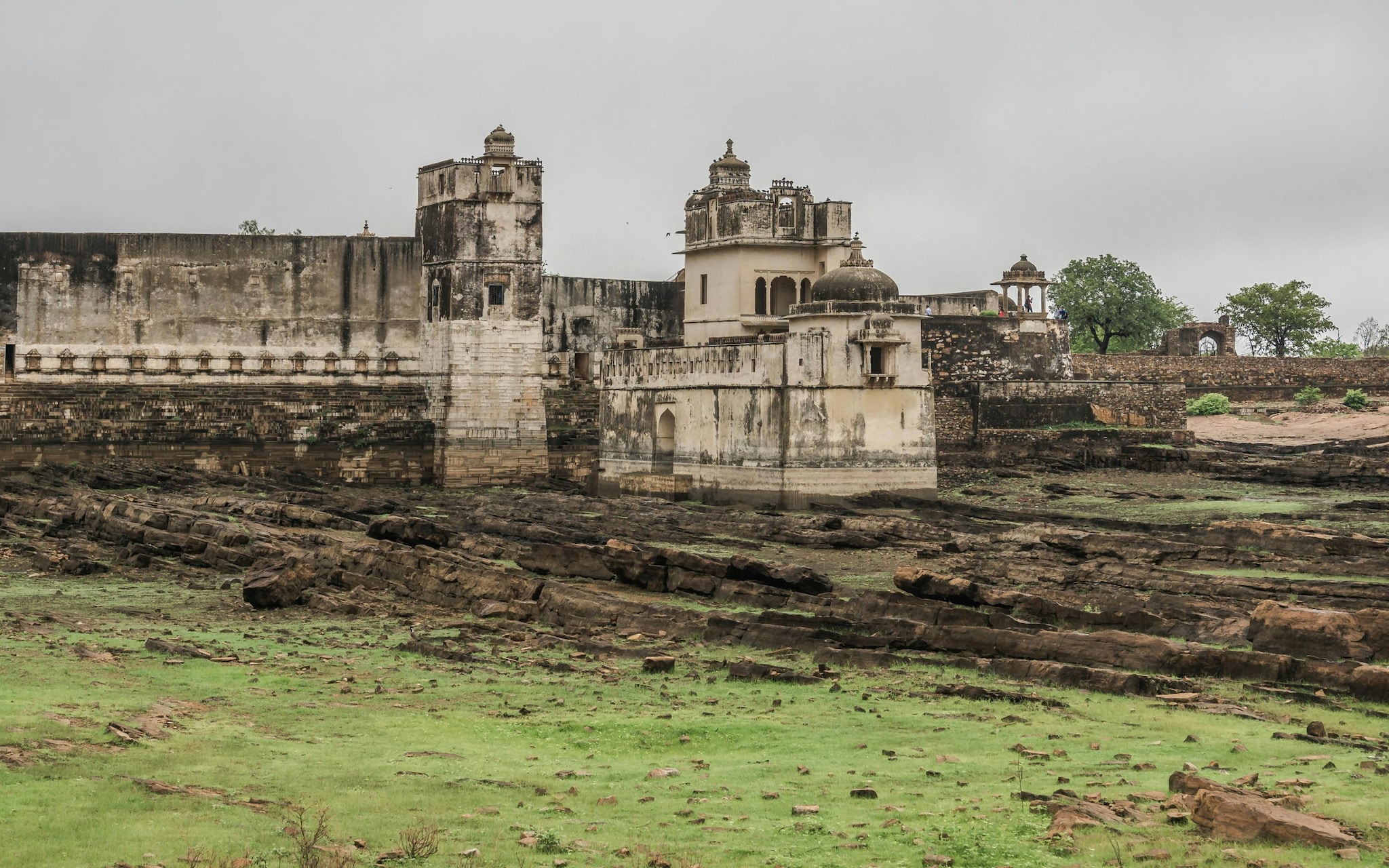
Chittorgarh Fort, situated in Rajasthan, is one of the largest fort in India in terms of area. It is one of the most historically significant forts in the country. (Image: Pexels)
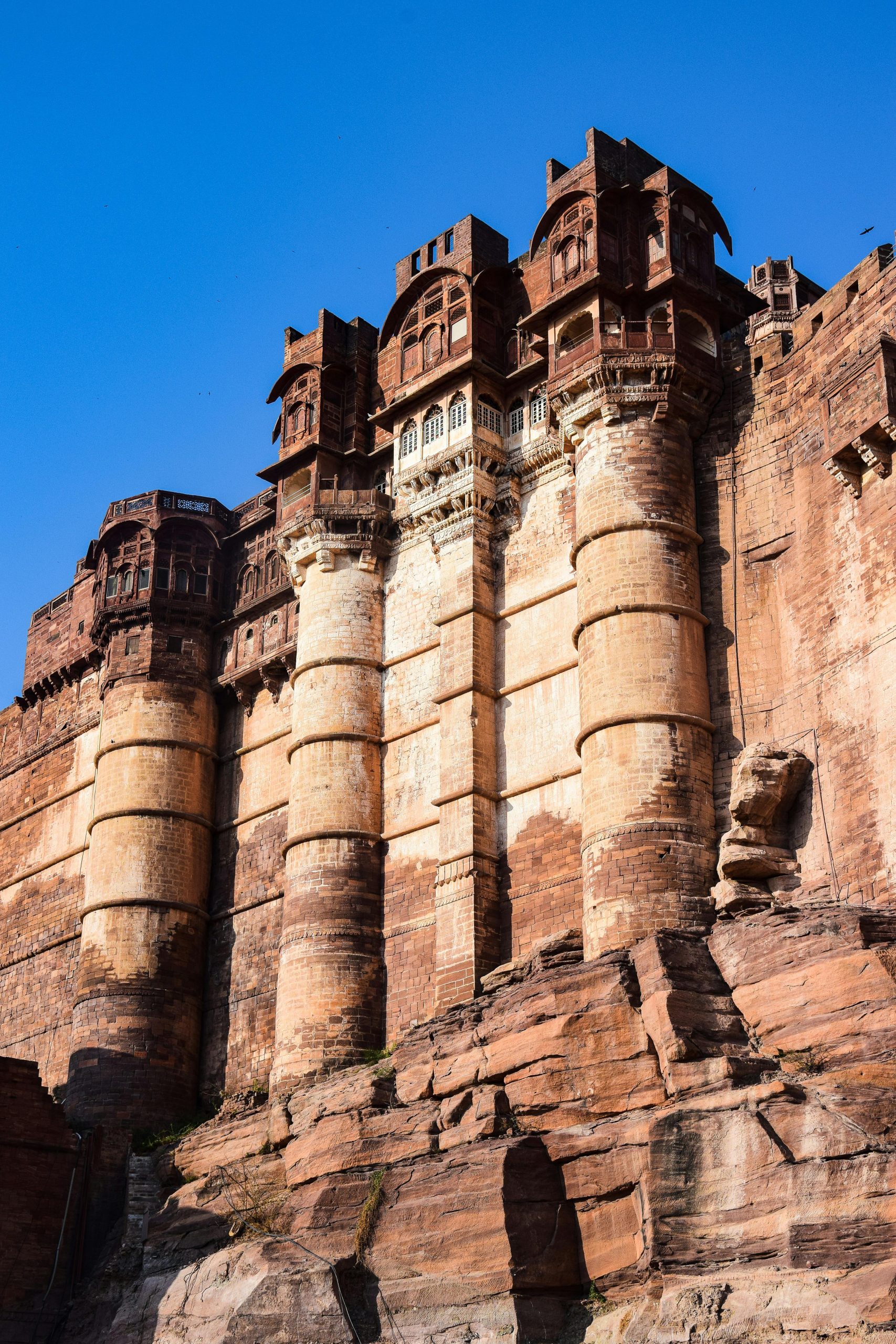
Chittorgarh Fort is situated in southern Rajasthan on a rocky hill overlooking the plains of the Berach River basin. Its elevated position provided a strong natural defence, making it difficult for invading armies to capture. (Image: Pexels)
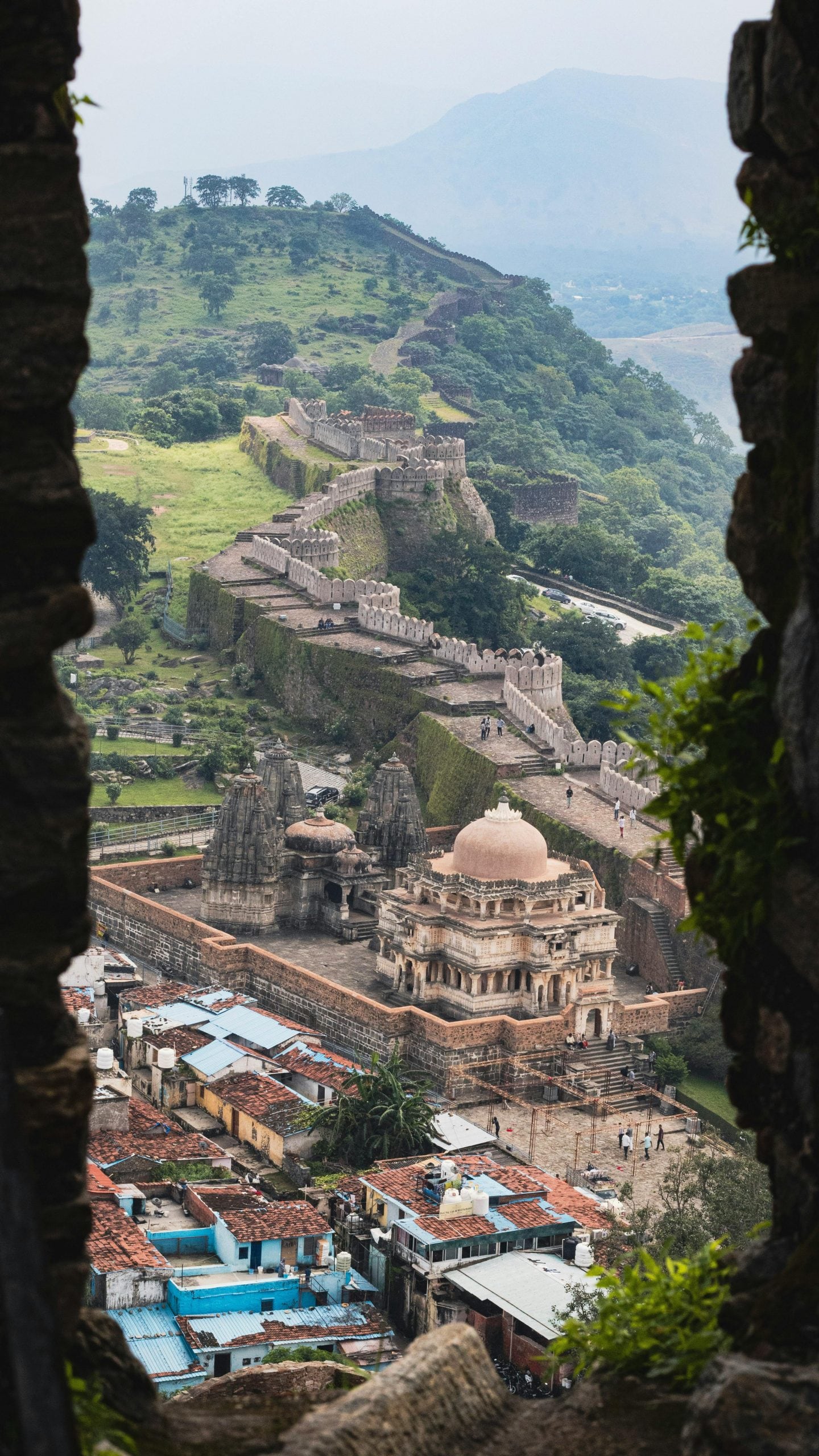
The origin of Chittorgarh Fort is traced back to the 7th century, with major expansions carried out by the rulers of the Mewar dynasty, especially Rama Kumbha. Over the centuries, multiple rulers contributed to its development. (Image: Pexels)
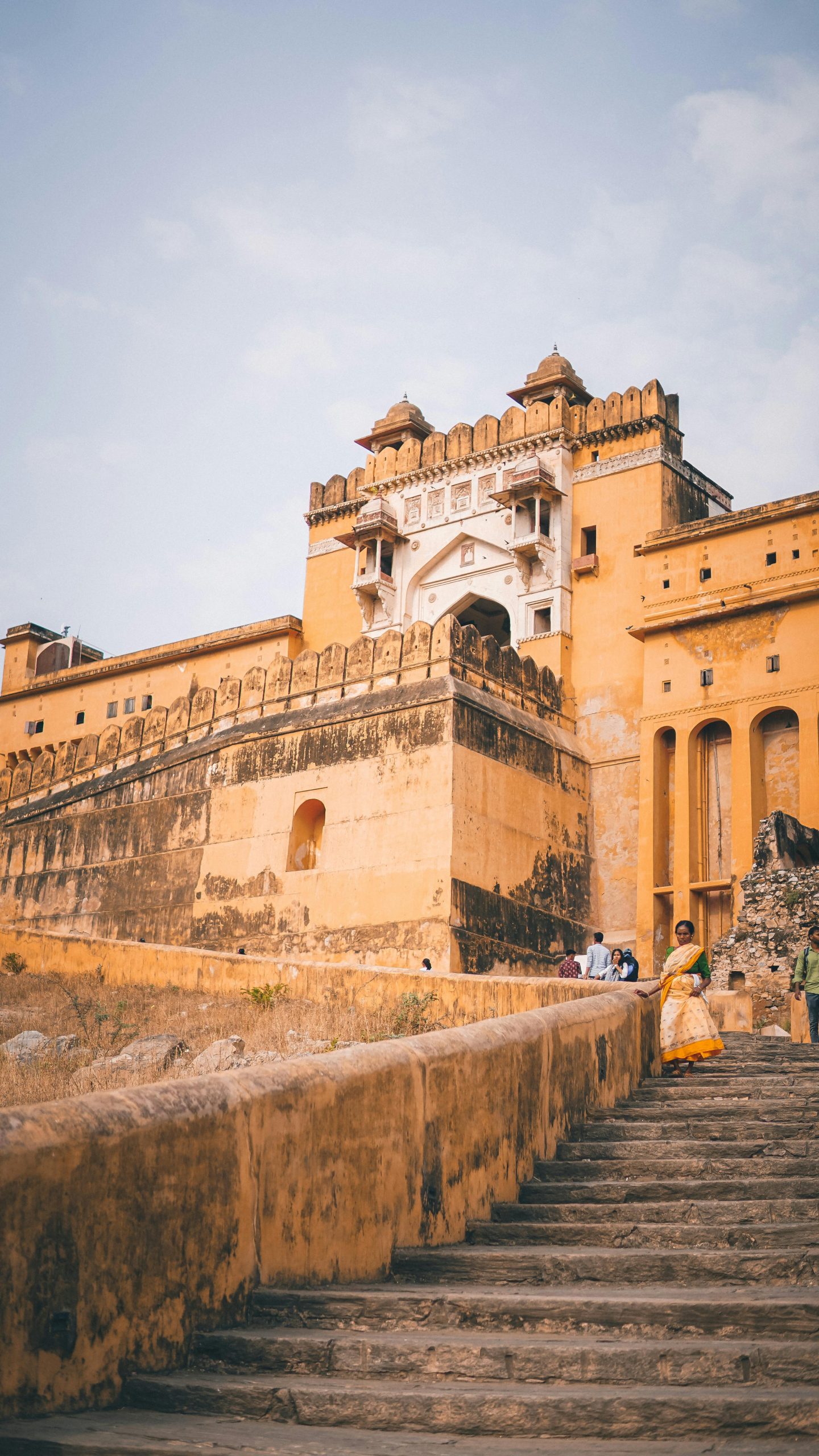
The fort is renowned for its deep association with legendary Rajput rulers and significant historical events, including three major sieges that shaped its legacy. Tales of courage, sacrifice, and resistance connected with figures like Rani Padmini and Maharana Pratap remain an integral part of India’s rich historical narrative. (Image: Pexels)
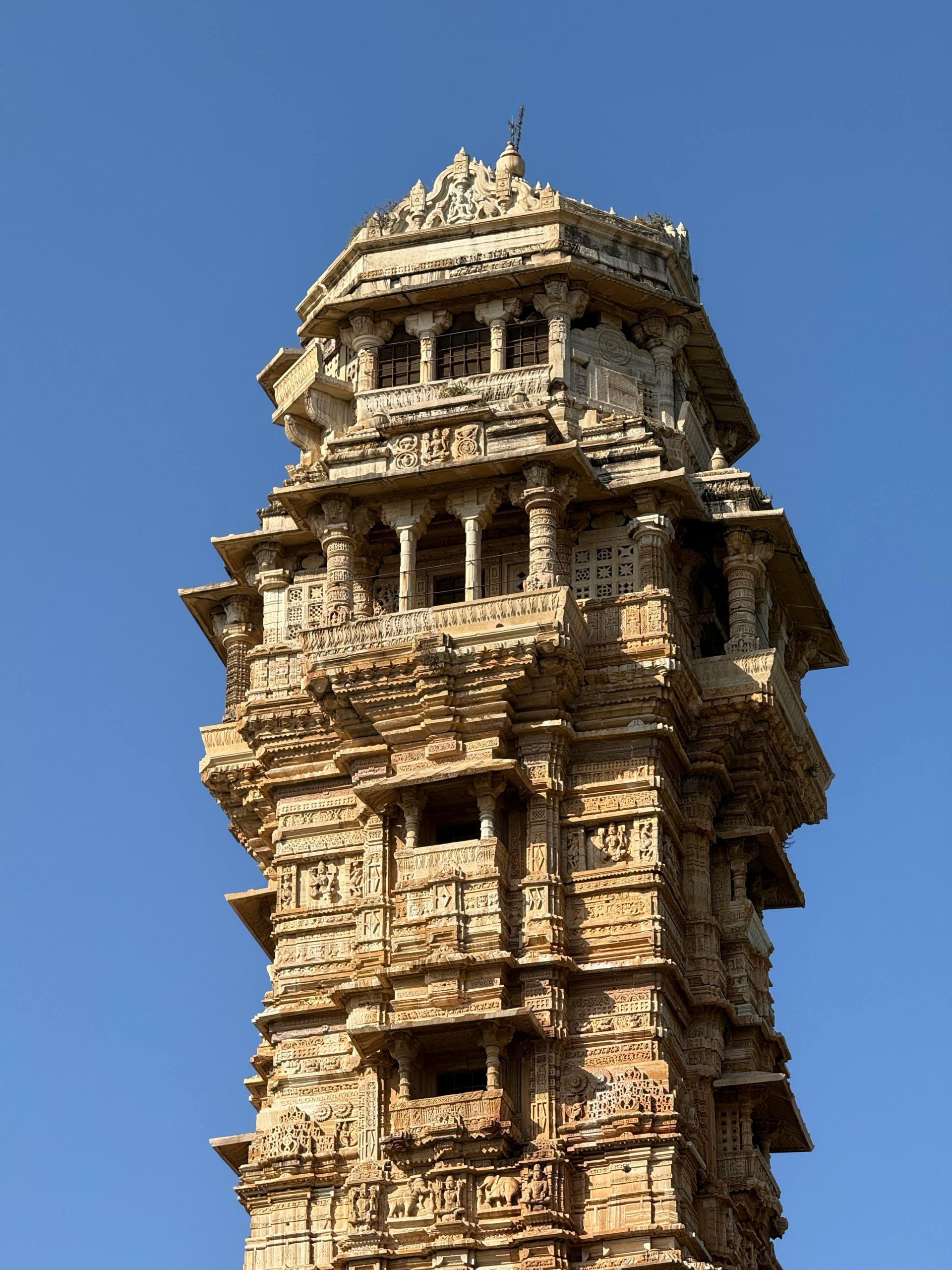
Chittorgarh Fort features seven massive gateways, along with royal palaces, Hindu and Jain temples, watchtowers, and an extensive network of water reservoirs. Iconic structures such as the Vijay Stambh and Kirti Stambh highlight the fort’s intricate stone carvings and remarkable architectural brilliance. (Image: Pexels)
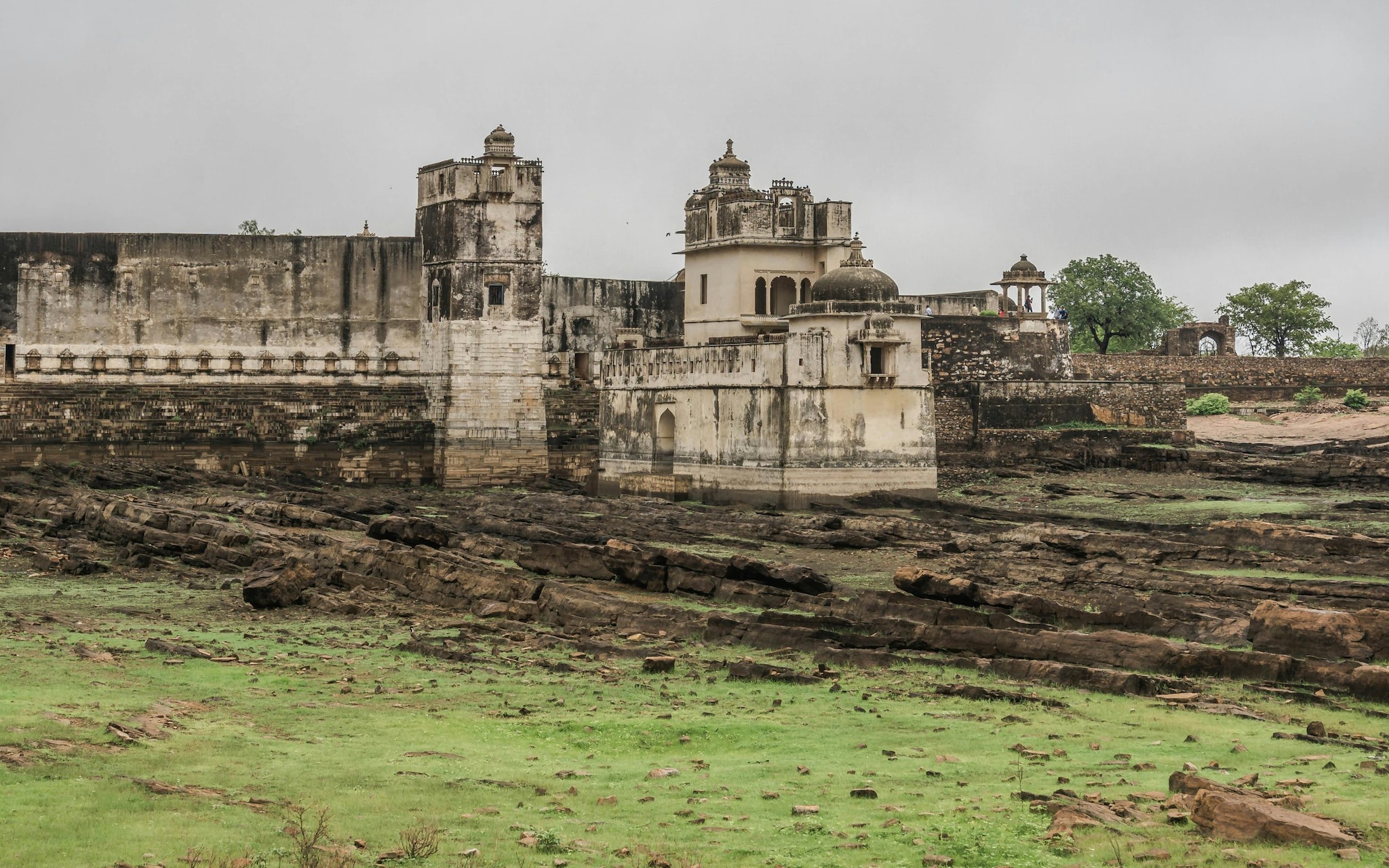
Chittorgarh Fort once housed around 84 water bodies, including tanks and wells, carefully designed to sustain its population during long sieges. Remarkably, many of these water systems still function today, reflecting the advanced planning and engineering skills of the medieval period. (Image: Pexels)
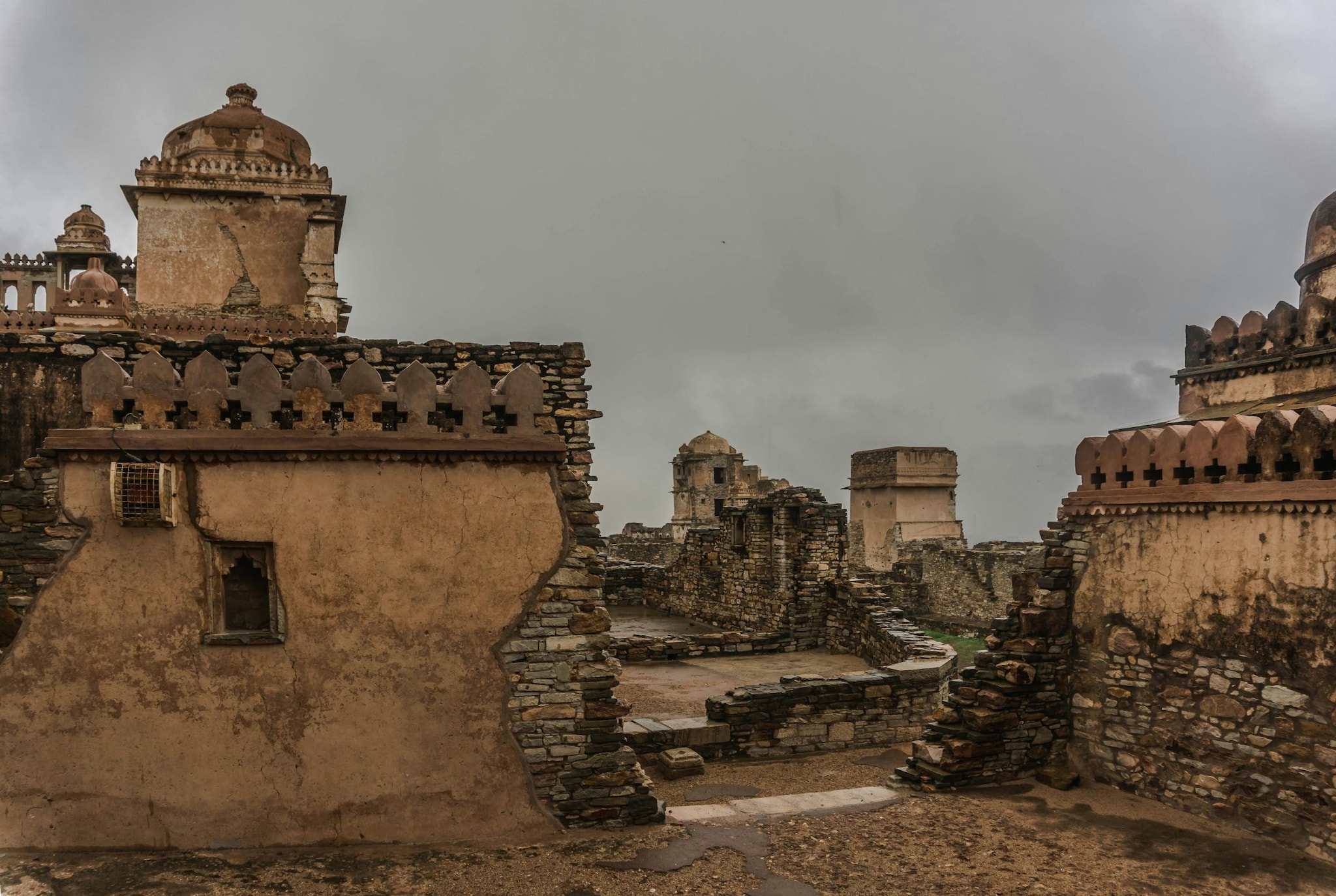
Chittorgarh Fort served as the capital of the Kingdom of Mewar for several centuries. It stands as a powerful symbol of Rajputana’s political authority, cultural richness, and military resilience, holding a significant place in the history of medieval India. (Image: Pexels)
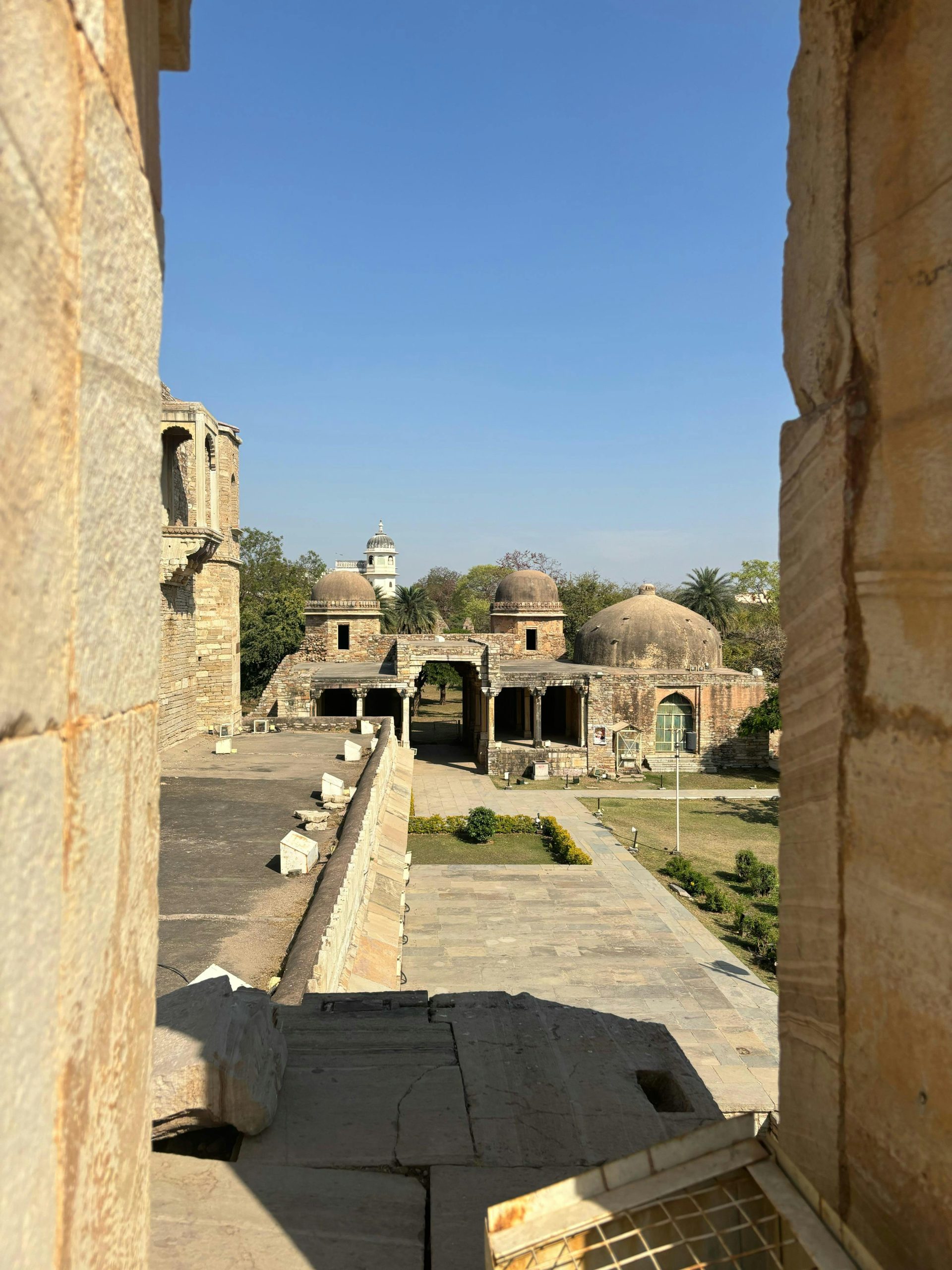
Chittorgarh Fort is included in the UNESCO-listed “Hill Forts of Rajasthan,” celebrated for their outstanding universal value, remarkable architectural design, and deep historical significance that reflects the grandeur of Rajput heritage. (Image: Pexels)
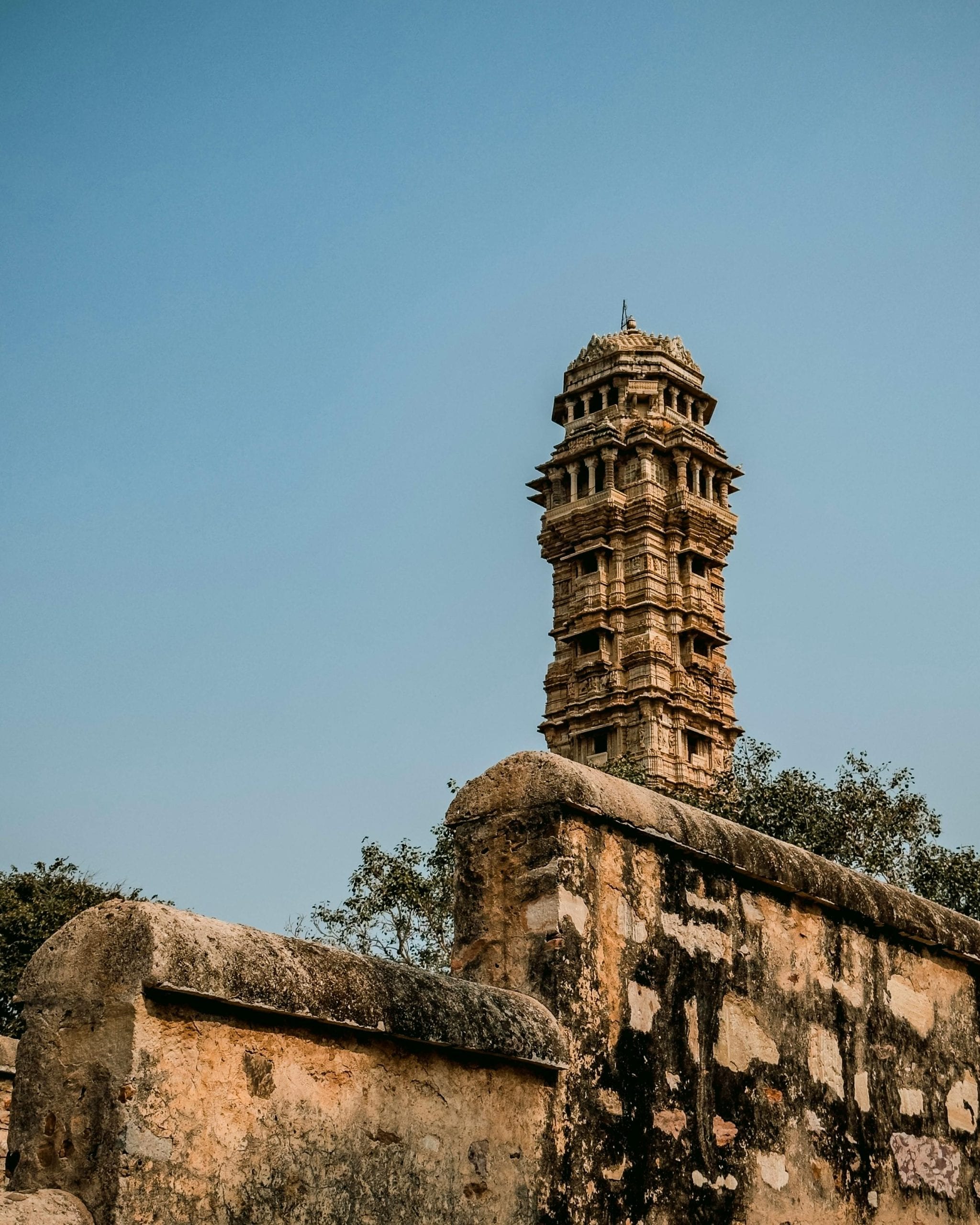
Chittorgarh Fort is the largest fort in India, both in terms of area and historical importance. Its vast expanse, architectural grandeur, and enduring legacy of courage make it one of the country’s most iconic heritage landmarks. (Image: Pexels)


