


Got gas? These 3 surprising foods may be the culprits


Nutritionists have revealed the top foods that leave you prone to flatulence – and those that will counter a gassy stomach.
While everyone knows that beans have a reputation because they’re high in fiber that makes you bloat, some fruits and vegetables’ disquieting gastrointestinal effects may come as a surprise.
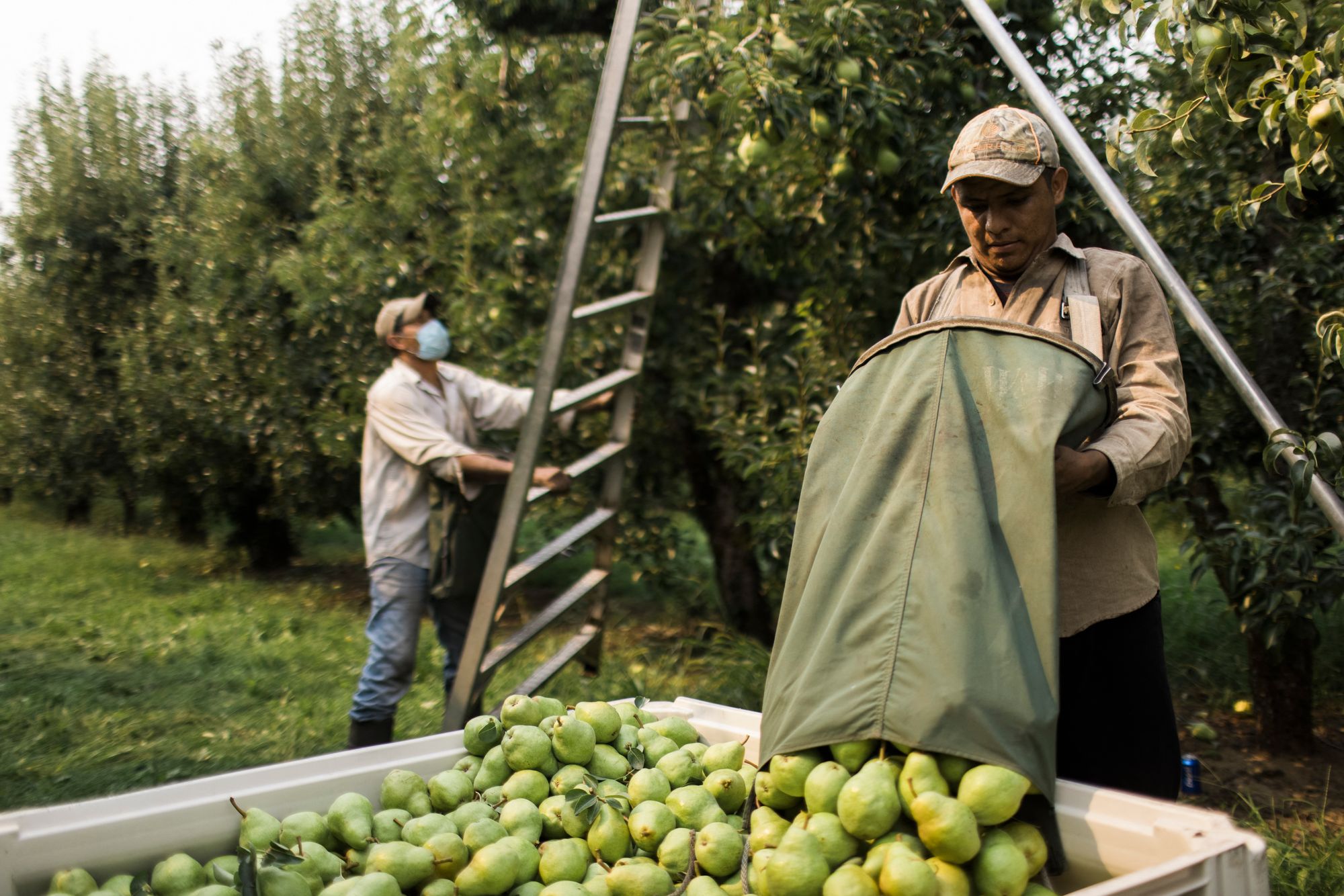
Pears are a little-known source of digestive discomfort thanks to their sugar content, for example. “These fruits contain fructose and sorbitol, which can trigger gas and bloating in sensitive individuals,” registered dietitian Amanda Settle told EatingWell on Friday.
And asparagus and lentils may appear to be healthy options for side dishes, but they’re also often culprits for gas.
“Fructose found in foods such as high-fructose corn syrup and asparagus can lead to gas from bacterial fermentation in the intestines,” registered dietitian Cari Riker said.

Asparagus also contains a type of carbohydrate the body can’t fully digest called raffinose, Texas’s ER Fort Worth notes.
“When it reaches the large intestine, gut bacteria ferment it, producing gas as a byproduct. Raffinose is also one of several FODMAPs,” the facility noted.
FODMAPs are foods that contain sugars and fibers that are poorly digested, such as apples peaches, artichokes, garlic, onions, cashews and pistachios.
The acronym FODMAP represents the classes of sugars and fibers, including fermentable oligosaccharides, disaccharides, monosaccharides, and polyols.
“When FODMAPs reach the small intestine, they move slowly, attracting water. When they pass into the large intestine, FODMAPs are fermented by gut bacteria, producing gas as a result,” Monash University explains.
“The extra gas and water cause the intestinal wall to stretch and expand. Because people with IBS have a highly sensitive gut, ‘stretching’ the intestinal wall causes exaggerated sensations of pain and discomfort,” it says.
Most legumes, like lentils, are FODMAPs due to their fiber content, according to Riker. “Soluble fibers from foods such as beans, lentils and bran may contribute to gas production as they break down in the gut,” she said.
But if you really enjoy pears, lentils and asparagus, is there a sweet spot for consumption?
It only takes a large serving of asparagus – between 5-8 spears of the green vegetable – to get gassy. Try limiting your portion to just a couple to see how your body reacts, ER Fort Worth recommends.
Lentil lovers can also apply that strategy. A standard serving of lentils is about half a cup. People can either cut their typical serving in half or gradually up their fiber intake to reduce digestive symptoms, Cleveland Clinic registered dietitian Elyse Homan says.
American adults should get 25-30 grams of fiber each day to help support their digestion and maintain healthy blood sugar levels, doctors in San Francisco noted.
And, the solution for pears is similar. Eating one is generally safe; any more can lead to a stink.
But pairing these foods with more easily digestible low-FODMAP foods may also help, according to the Canadian Digestive Health Foundation. “Think of your FODMAP tolerance like a bucket. As long as the bucket doesn’t overflow, you won’t get symptoms,” the foundation instructs.
“If you plan on eating a high FODMAP food, try pairing it with lower FODMAP foods to reduce the likelihood of overfilling your FODMAP bucket,” it says.
A pear could be served with low-FODMAP fruit in a fruit salad, including cantaloupe or pineapple. Asparagus and lentils can be cooked and served alongside tofu or an animal protein for a healthy dinner.


