


India Records A 38% Drop In TB Deaths: What Is Driving The Decline And Why Is Elimination Still A Challenge?


Last Updated:
India’s TB deaths have fallen 38% since 2015, helped by wider screening and treatment support. Yet a high case burden, missed targets and undetected infections remain concerns.




In this March 24, 2014, file photo, a doctor examines a tuberculosis patient in a government TB hospital in Allahabad, India. (AP Photo/File)
India has recorded a 38% decline in tuberculosis (TB) mortality over the past decade, outperforming the global reduction of 35%. The latest World Health Organization (WHO) figures offer encouraging news for the country, which continues to carry one of the world’s largest TB burdens. But does fewer deaths mean the disease is finally under control?
According to the WHO’s Global Tuberculosis Report 2026, India’s estimated TB mortality rate fell from 28 deaths per lakh population in 2015 to 18 in 2025. The country also reported a treatment success rate of 94% among people with drug-susceptible TB.
The progress reflects wider screening, quicker diagnosis and better support for patients. However, the figures also underline why India needs to strengthen its efforts if it hopes to meet its TB elimination goals.
How Is India Detecting TB Cases Earlier?
One of the biggest changes has been the shift from waiting for people to report symptoms to actively screening communities.
Launched in November 2024, the TB Mukt Bharat Abhiyaan has expanded community-based screening, particularly among vulnerable populations. By November 2026, more than 25 crore people had been screened under the campaign. This included over 11 crore chest X-rays and three crore molecular tests.
The exercise reported detecting nearly 48.64 lakh TB cases, including close to 15 lakh people who did not have noticeable symptoms.
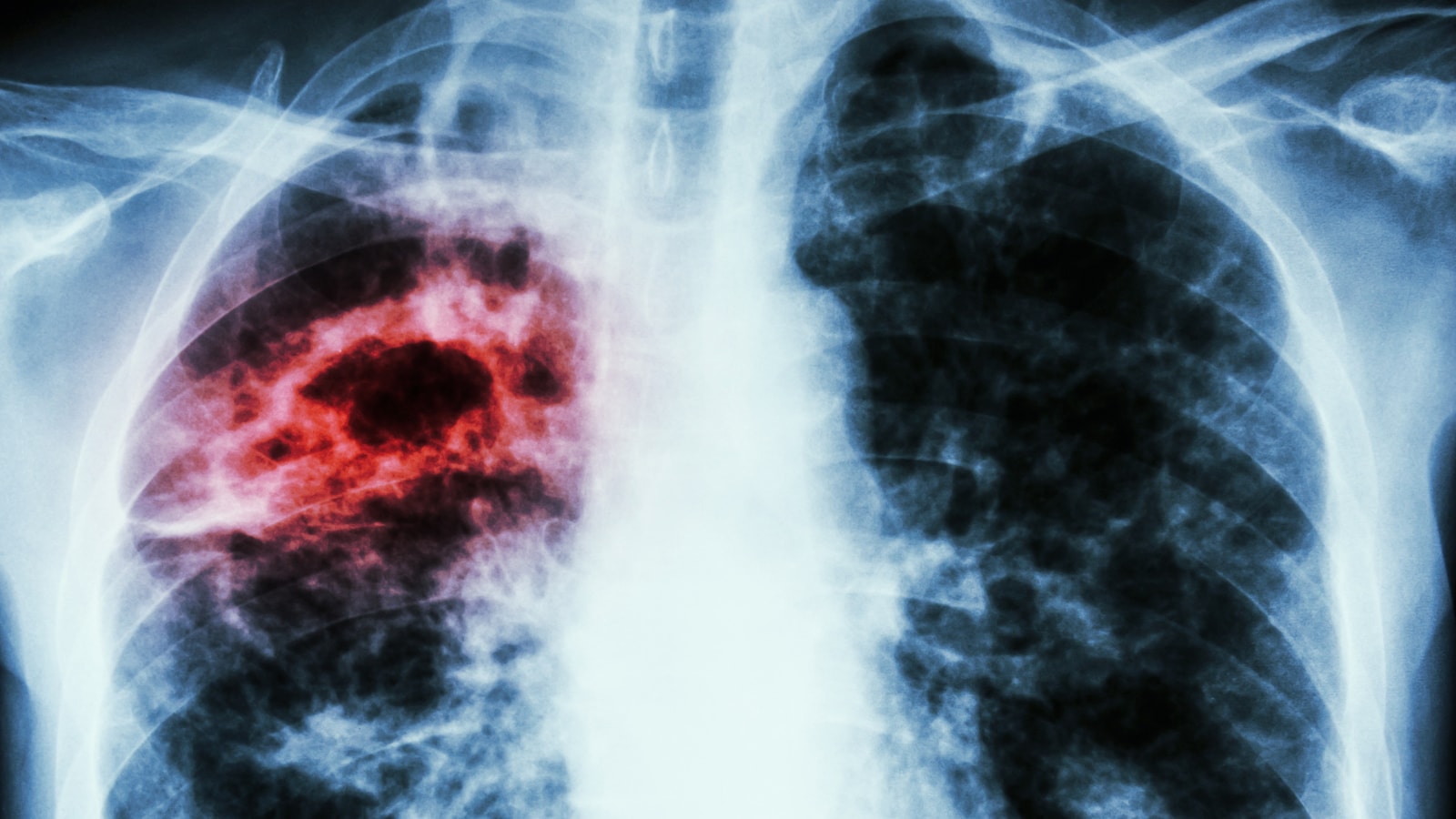
This matters because TB can remain undetected when symptoms are mild, overlooked or mistaken for other respiratory conditions. Chest X-rays can help identify people who need further investigation, while molecular tests can confirm infection and, depending on the test, detect drug resistance.
The use of rapid diagnostic tests has also increased. According to the WHO report, these tests were used for 46% of notified TB cases in 2025, compared with 38% in 2024.
Why Does TB Treatment Need More Than Medication?
Diagnosing TB is only one part of the recovery process. Treatment generally lasts several months, and patients may struggle to complete it because of financial pressure, lost wages, travel expenses, food insecurity or social stigma.

India’s patient-support initiatives aim to address some of these barriers. The Ni-kshay Poshan Yojana provides nutritional assistance to people undergoing TB treatment, while the Ni-kshay Mitra initiative encourages individuals and organisations to support patients through their recovery.
These measures recognise that a patient’s ability to stay on treatment can be affected by circumstances outside the hospital. Regular follow-ups, counselling, access to medicines and nutritional support can help people remain connected to care.
The reported 94% treatment success rate among drug-susceptible TB patients is another encouraging indicator. However, it should not be interpreted as the success rate for every form of TB, particularly drug-resistant infections.
Why Has India Still Not Met Its TB Elimination Target?
The decline in deaths is significant, but mortality and incidence measure different things. Mortality refers to deaths caused by TB, while incidence measures the number of new and recurrent cases developing in a population over a period.
India remains among the eight countries with the highest number of people developing TB. It accounted for an estimated 25% of global cases in 2025, according to the WHO report.
There is another important gap: the WHO has not published a new TB incidence estimate for India in its 2026 report. The figures are being reviewed following district-level surveillance conducted in 2025, with updated estimates expected in early 2027.
India has also fallen short of the WHO’s 2025 milestone of reducing TB deaths by 75% from the 2015 baseline. The recorded decline stands at 38%. The global End TB Strategy sets a further goal of reducing TB deaths by 90% by 2030.
What Does The Decline Mean For India’s Public Health Response?
Fewer TB deaths suggest that more people are being diagnosed and treated in time. However, undetected infections can continue to spread, while delayed diagnosis and interrupted treatment can increase the risk of complications and drug resistance.
The next phase of India’s response will depend on reaching people who remain outside the healthcare system, improving access to rapid and drug-resistance testing, and ensuring uninterrupted treatment and nutritional support.
The 38% reduction is an important public health gain. But the real test will be whether India can turn better survival rates into fewer new infections, fewer missed diagnoses and sustained access to treatment across the country.
Quick Answers
 Ask News18
India recorded a 38% decline in tuberculosis mortality over the past decade, with the estimated mortality rate falling from 28 deaths per lakh population in 2015 to 18 in 2025.
Ask News18November 24, 2026, 20:10 IST


