


Lokmanya Tilak’s Books: Must-Read Works That Showcase His Ideas And Legacy


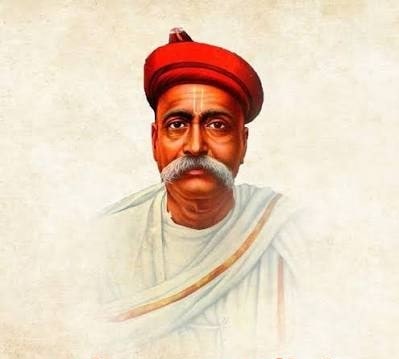
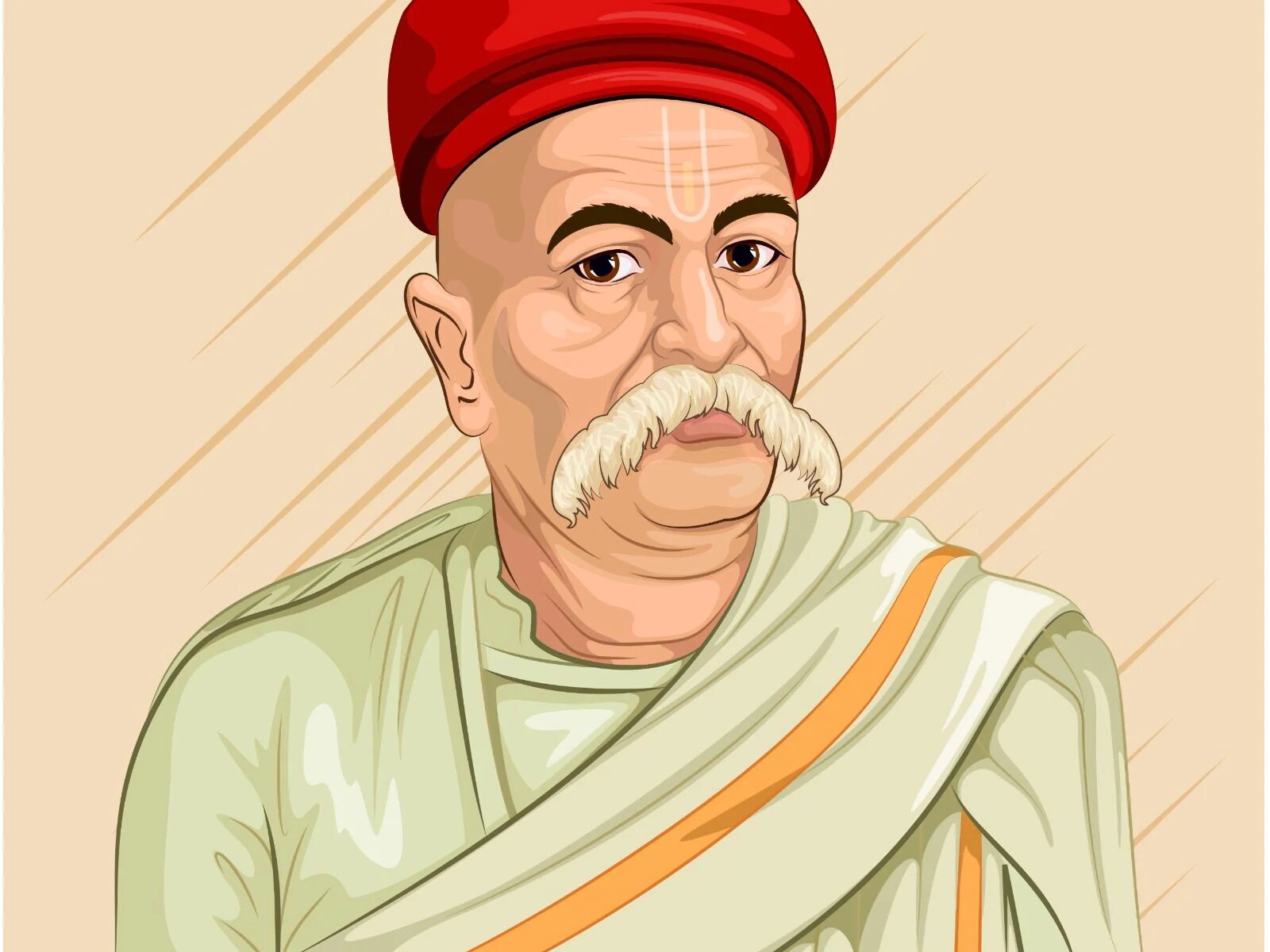
Born on July 23, 1856, in Ratnagiri, Maharashtra, Bal Gangadhar Tilak, was one of the earliest leaders to demand self-rule for India. Revered as “Lokmanya,” meaning accepted by the people, he transformed the freedom movement with his fearless ideas, powerful speeches and unwavering patriotism. Tilak passed away on August 1, 1920, but his vision continues to inspire generations.
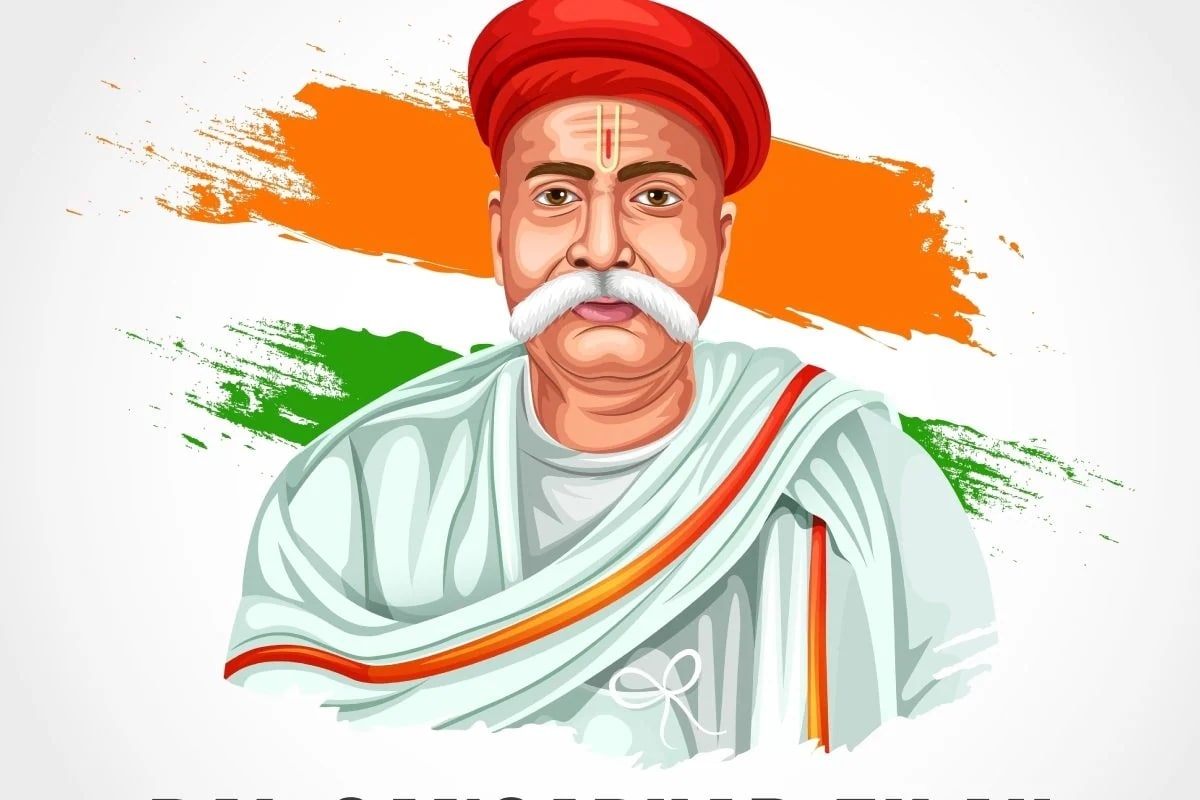
Lokmanya Tilak believed that education was the foundation of a strong nation. A brilliant scholar of mathematics and Sanskrit, he co-founded the New English School and later helped establish the Deccan Education Society to provide quality education rooted in Indian values. His mission was to nurture informed, confident and patriotic citizens who would shape the country’s future.
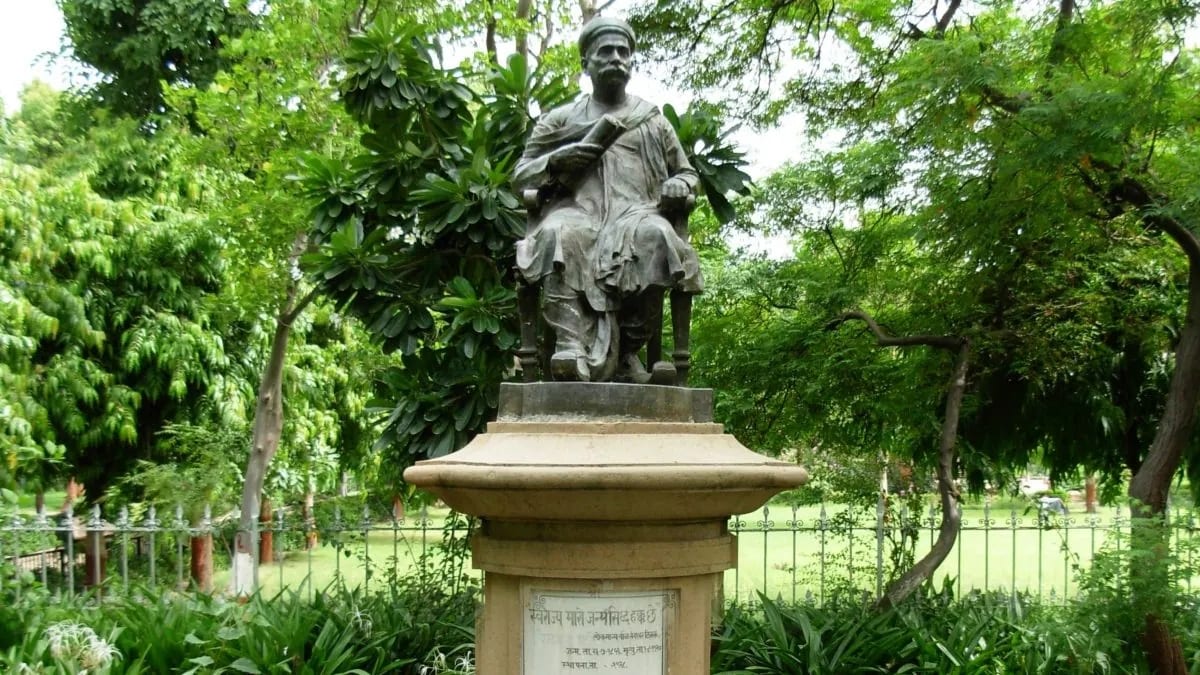
For Tilak, the pen was as powerful as any political movement. Through his Marathi newspaper Kesari and English weekly The Mahratta, he challenged British rule, encouraged political awareness and inspired Indians to unite for freedom. His bold editorials turned journalism into a powerful voice against colonial oppression.
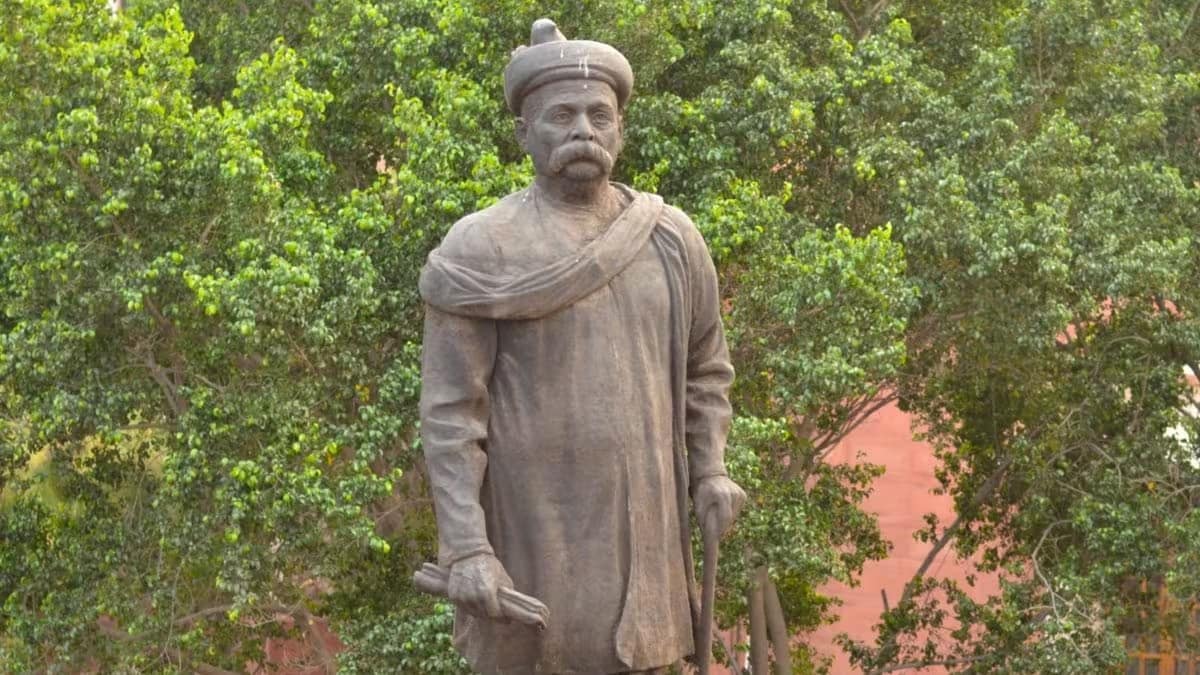
Few words have left as lasting an impact as Lokmanya Tilak’s iconic declaration: “Swaraj is my birthright, and I shall have it.” More than a slogan, it became the heartbeat of India’s freedom struggle, inspiring millions to believe that self-rule was not a privilege but a fundamental right worth fighting for.
Gita Rahasya: A Call to Action: Written during his imprisonment in Mandalay and published in 1915, Gita Rahasya remains Lokmanya Tilak’s most celebrated work. In this remarkable interpretation of the Bhagavad Gita, he argued that the scripture teaches selfless action and duty rather than renunciation. The book continues to be regarded as one of the most influential modern commentaries on the Gita.
The Arctic Home in the Vedas: Published in 1903, The Arctic Home in the Vedas reflected Tilak’s curiosity beyond politics. Drawing on Vedic literature, astronomy and historical analysis, he explored the origins of the ancient Aryans and presented a bold theory that sparked debate among scholars. The book showcased his remarkable depth as a researcher and thinker.
Orion: Blending Science and History: In Orion (1893), Lokmanya Tilak examined astronomical references found in the Vedas to estimate the antiquity of Indian civilisation. Combining astronomy, history and Sanskrit scholarship, the book demonstrated his ability to approach ancient texts with both scientific reasoning and intellectual curiosity.
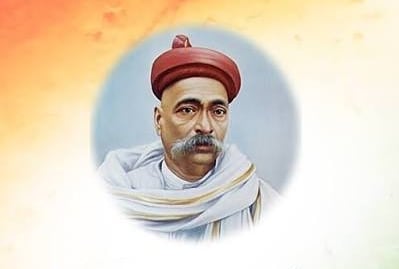
A Legacy That Lives On: Lokmanya Tilak’s legacy extends far beyond his books. By popularising public Ganesh Utsav and Shivaji Jayanti celebrations, he transformed cultural events into symbols of national unity. His ideas influenced leaders such as Mahatma Gandhi, and his writings continue to inspire students, historians and readers who believe in the power of knowledge, courage and patriotism.


