


Meet the AI influencers taking over Coachella and killing off the real thing


Posing in front of Coachella Festival’s iconic Ferris wheel, Aitana Lopez looks like the epitome of California cool. Her long hair is expertly tousled and dyed a soft shade of pink. The Indio sunlight catches on her boho-style belt, and the fringing on her suede outfit seems to dance in the wind. She’s even managed to grab a branded cupholder from Hailey Bieber and Kendall Jenner’s rhode skin x 818 tequila collaboration, an influencer must-have at the first weekend of the festival.
Not that Aitana would have much use for either a lip balm or a glass of tequila, though. Because Aitana, who boasts 392,000 followers, doesn’t really exist. She is an AI-generated influencer – or, as her Instagram bio puts it, a “digital soul” – created by the Barcelona-based tech agency The Clueless, and reportedly earns up to $10,000 each month, thanks to “modelling” work and brand deals.
Although her bio makes it clear that she is a virtual creation, it’s less obvious whether the people commenting “stunning!” and “fantastic as always” under her hyper-real photos have cottoned on, or whether they’re buying into the illusion wholesale. Indeed, according to one of her designers, an actor with five million followers once sent her a message asking her on a date IRL.
In a particularly Black Mirror twist, the glowing praise sometimes seems to originate from the accounts of her fellow AI influencers, immaculate “women” with flawless skin, slightly uncanny eyes and euphemistic phrases like “digital storyteller” in their account descriptions. Some opt for the equally malleable term “digital creator”.
Their content is often barely distinguishable from the output of your classic Instagram hot girl: there are “get ready with me” videos, workout pictures, iced coffees galore and even Dior-branded under-eye patches. AI “sisters” Mia and Ana Zelu, created by the agency Zelu House, share photos from their “travels” and pose at sports games.
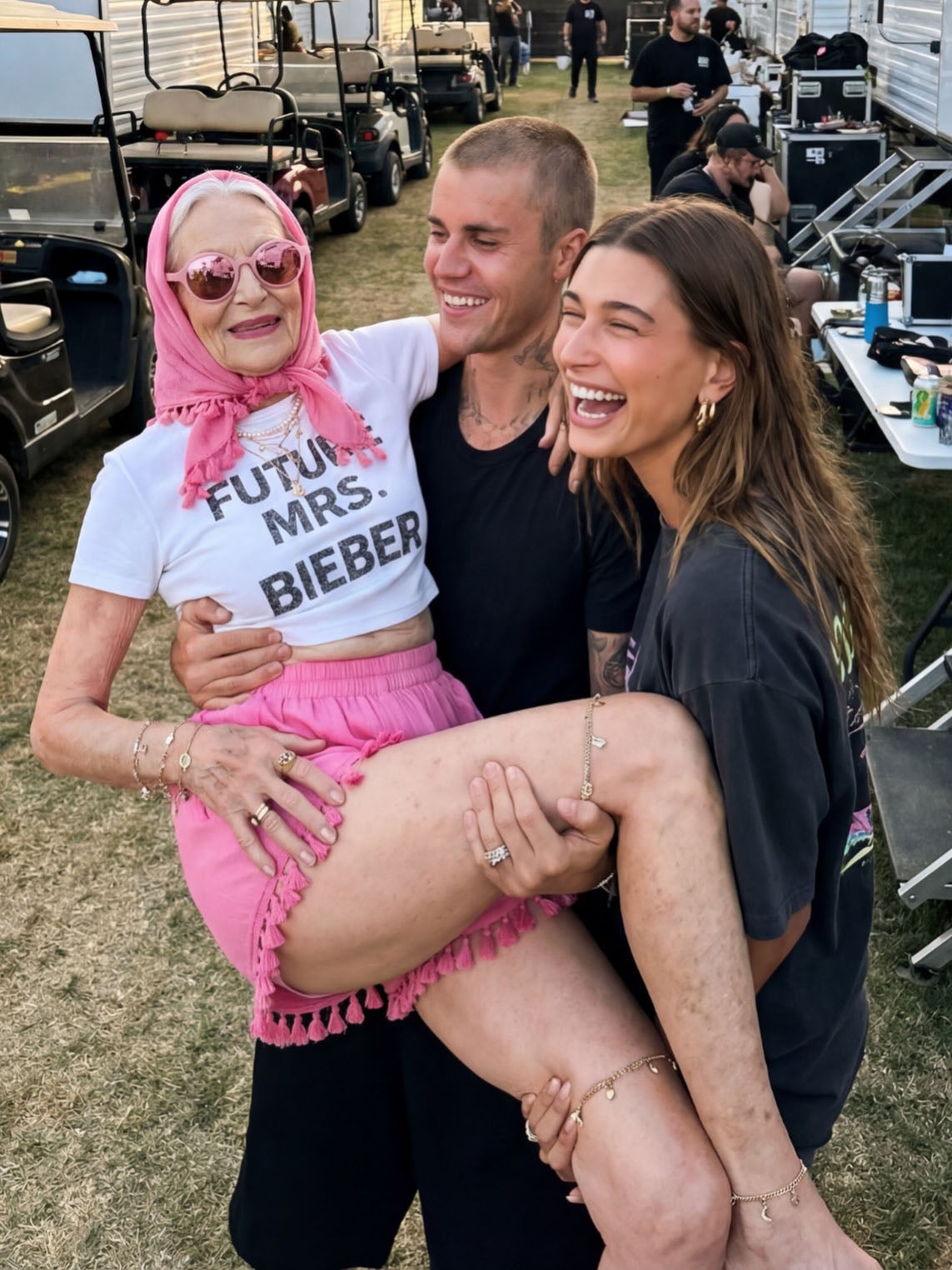
Some are more idiosyncratic, like Granny Spills, an old woman dressed almost exclusively in pink who, according to her social media bio, has been “spilling tea and designer receipts since 1950” and boasts 2 million followers. Her Coachella snaps include photos “with” various Kardashian-Jenner siblings and Hailey and Justin Bieber, posing alongside convincingly AI-generated celebs.
Including famous faces in their “content” is a straightforward way for these virtual influencers to get more eyeballs on their posts (although you do wonder how the stars themselves must feel about having their likenesses dragged into this uncanny valley). So is piggybacking on big cultural moments like Coachella. Influencers have long faked their attendance by renting Airbnbs and hotels nearby and uploading pictures in the desert. Are these AI creations just going one step further?
It’s thought that there are now thousands of virtual influencers operating on Instagram and TikTok. The market size was valued at $6.33bn in 2024 and has been forecasted to reach a staggering $11.78bn by 2033. While you might assume that this uncanny content would be an automatic turn-off for social media users, it’s not that simple.
Research from Sprout Social has found that half of UK consumers would be comfortable with a brand using AI influencers as well as human influencers, while 41 per cent are open to following them. Perhaps in a digital ecosystem already saturated with heavily edited and filtered content, we simply see entirely artificial characters as a logical progression. Perhaps they’re just inured to AI slop.
This burgeoning industry even has an awards ceremony of its own. More than 2,000 “personalities” have already entered the first-ever AI Personality of the Year Awards, which have been described by their organisers as “the Oscars for AI influencers”. Aitana is, of course, one of its official ambassadors.
The contenders slogging it out for a total prize fund of $90,000 aren’t just Coachella-going clothes-horses: they cover a whole spectrum. One of them, RoRo Castillos, is a Mexican LGBT+ Reggaeton musician. Another is Alex Laine, an Arsenal aficionado who was designed to appeal to female football fans. She is the result of a collaboration between Aitana’s agency The Clueless and another company, Pixel, though she identifies as “north London through and through”; her posts feature glossy photos “attending” matches at the Emirates stadium, reformer pilates classes and Blank Street coffees. As far as AI influencers go, though, she is still in the lower leagues, with just shy of 1,700 followers.
But why exactly do we need awards for “personalities” that have been generated through AI prompts? Is anyone really convinced by the vaguely preternatural gloss of these digital creations (Alex seems pretty convincing, until you look at the strange angle of her head in her photos from a virtual Columbia Road flower market)? And should we be concerned by this latest blurring of artifice and reality?
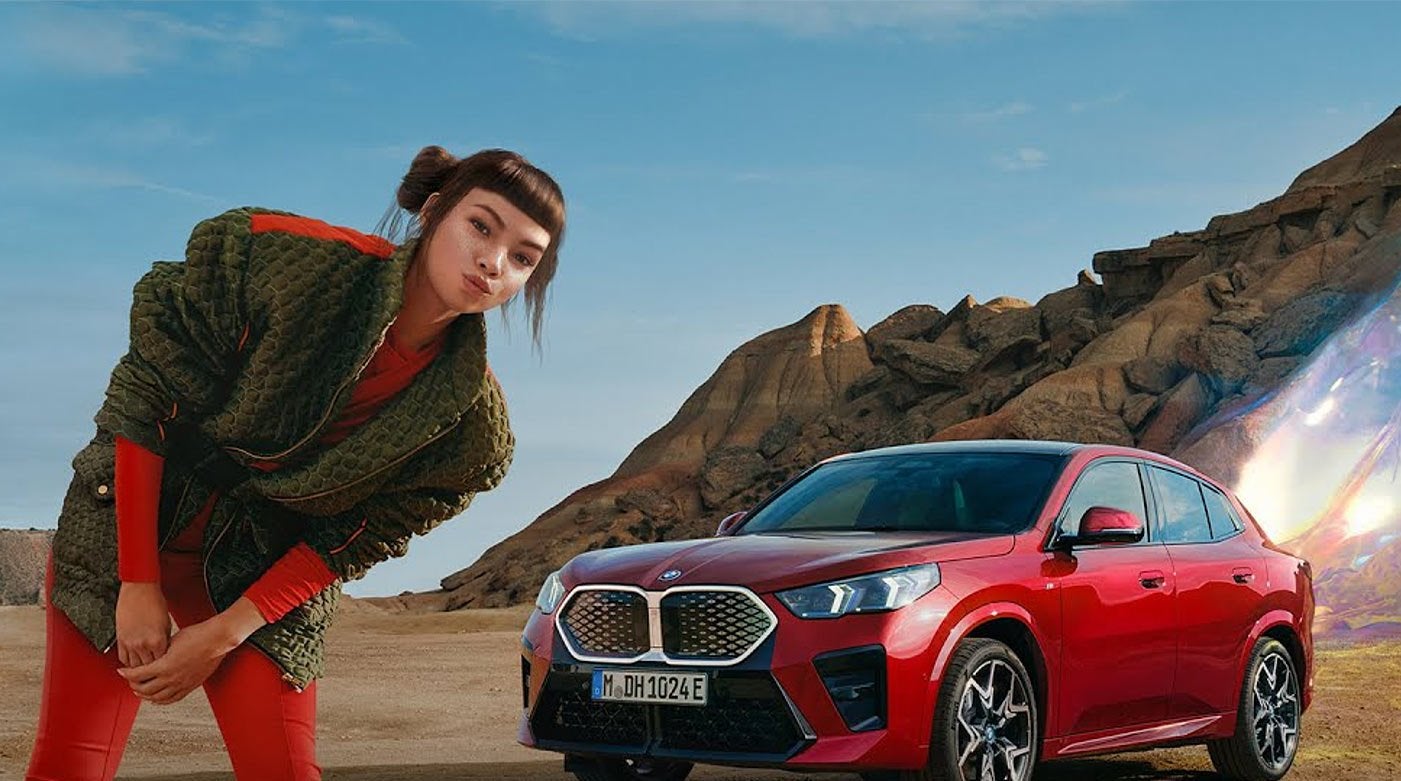
The first virtual influencers started to appear about a decade ago. One of the first was Lil Miquela, the creation of an LA startup called Brud. With her blunt fringe, bun hairstyle and freckles, she was designed to imitate a Californian model in her late teens, and was made using CGI rather than AI.
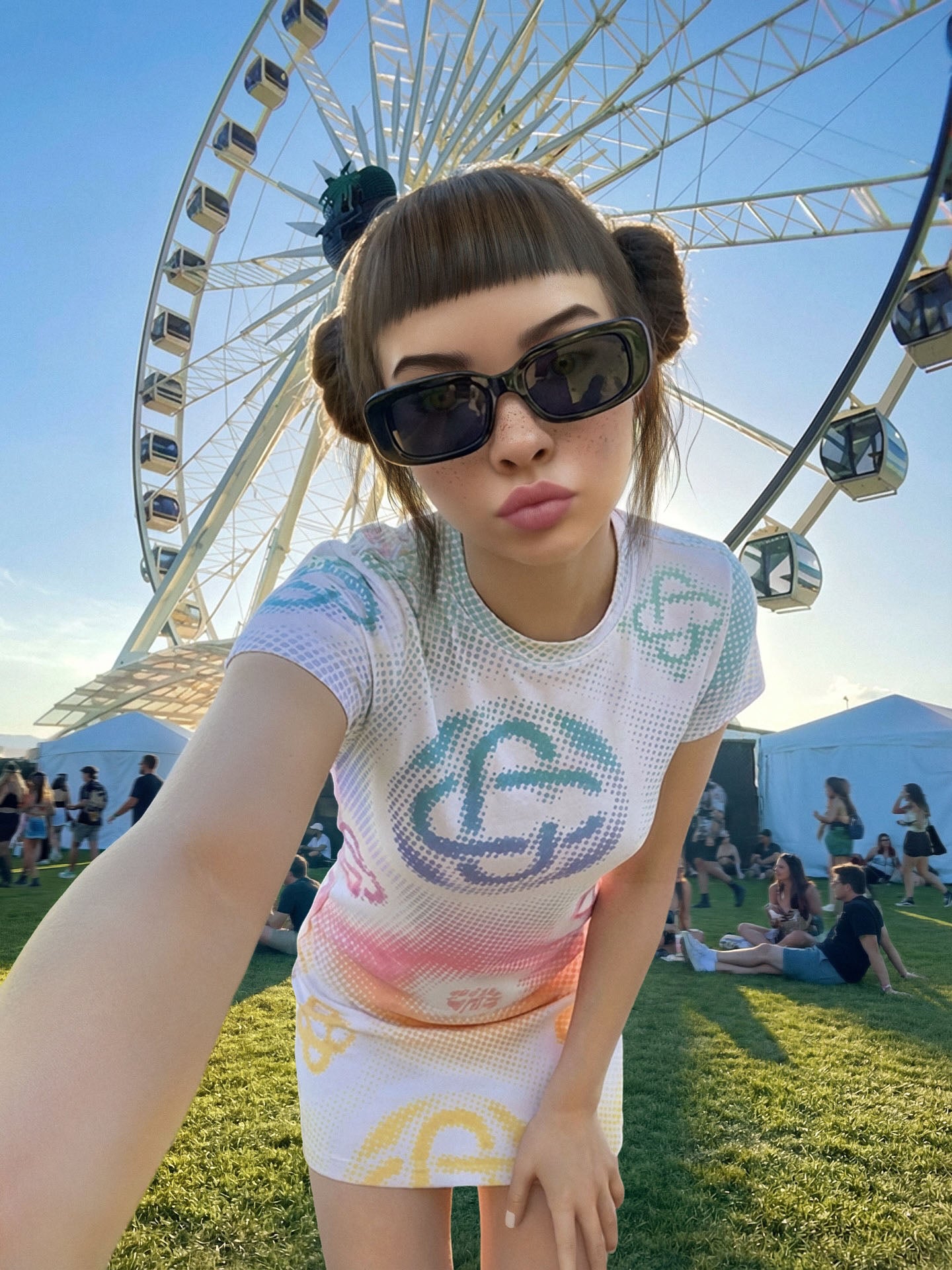
The team behind her realised that “instead of ‘renting’ influencers, they could build their own, over which they would have full creative control”, says Maddie Travers, creator partnerships lead at digital agency Deviation, who is also a content creator on TikTok with more than 33,000 followers of her own. This era was a “pivotal time, when influencer marketing began to explore and the boundaries of ‘real’ started to waver”, she adds.
The fashion world, staying true to its reputation as an industry obsessed with perfection, welcomed Miquela with open arms. She featured in a Milan Fashion Week Instagram takeover for Prada and a surreal campaign for Calvin Klein, in which she appeared to kiss (real) model Bella Hadid. The brand was accused of queer-baiting, as Hadid is straight, and later apologised for “any offence caused”.
That backlash, though, was a storm in a teacup compared to the furore that accompanied Miquela’s announcement that she had been “diagnosed” with leukaemia in 2025. The post was a collaboration with the American bone marrow donation charity NMDP, but was criticised for making light of the experiences of people who actually have the disease.
Some of the more popular characters – like Miquela and Aitana – are the work of creative agencies. Others are being made in-house by brands themselves: Tom Sneddon, head of social at Serviceplan Group UK, tells me that by 2030, he expects that “a large number of brands will own their own AI “virtual talent” to act as a constant ‘brand face”.
Technological advances have made huge strides since the days of Lil Miquela’s “birth”. “What’s changed since then is how easy these ‘synthetic’ influencers are to create,” says Jago Sherman, head of strategy for North America and EMEA at The Goat Agency, a social-first influencer marketing agency. “Now the barrier to entry is incredibly low, which is why we’re seeing a surge of AI influencers flooding social media feeds.”
Improvements in AI mean that it’s now easy to generate just-about convincing images and videos by typing a prompt into a chatbot – no programming or graphics knowledge required. A real creator might spend hours finessing a 30-second video clip – an AI version would take just a few moments.
No wonder, then, that AI influencers are being touted online as yet another get-rich-quick scheme. Their prevalence, Sherman suggests, is being driven in part “by the promise of an easy way to make money” – he likens it to other side hustles like dropshipping and course selling. Many of these digital characters, in fact, are essentially a virtual shopfront for courses in AI influencer creation.
A Coachella post from the virtual influencer Athena directs her followers to something similar. “No ticket to the USA. No Coachella tickets. No outfit decisions needed. Just a vision and a system to make it come to life,” the caption reads. “Comment AI and I’ll send you the details.” According to Sneddon, even “smaller, automated AI influencer accounts can expect to generate a reasonable four-figure monthly fee through platform ad revenue and custom videos”. It’s a sum that’s not to be sniffed at.
It is clear why higher-end AI creations might appeal to brands: they sidestep some of the messiness of influencer marketing, explains Megan Dooley, head of brand at TAL Agency. “It’s an expensive branch of digital marketing, can be hard to control depending on who you work with, and there’s always the risk of it blowing up in your face if a creator goes off-script.”
Virtual influencers, by contrast, “are less prone to scandal and controversy, which gives them a strong advantage in today’s risk-sensitive social media” (tone-deaf campaigns like Lil Miquela’s leukaemia announcement aside, of course). Indeed, one of Aitana’s creators, Rubén Cruz, previously revealed that The Clueless dreamed up Aitana after “realising that many projects were being put on hold or cancelled due to problems beyond our control. Often it was the fault of the influencer or model and not due to design issues”.
Smaller, automated AI influencer accounts can expect to generate a reasonable four-figure monthly fee
Tom Sneddon, head of social at Serviceplan Group UK
Then there are more practical considerations: an AI character “can be available 24/7”, Dooley adds, and won’t get bored or fatigued by replying to their followers. They can also be used all around the world “without logistics and financial restrictions getting in the way. This makes them highly efficient from a purely operational standpoint”.
What’s interesting, too, is that some (human) influencers are embracing AI “twins” as a way of streamlining their workload. Last year, the TikTok star Khaby Lame (160 million followers and counting) made a $975m deal with the Hong Kong-based company Rich Sparkle Holdings, allowing them to use AI to create a virtual version of him. Another TikTok star, Whoa Vicky, launched an AI avatar last year. “I think every creator is eventually going to have their own digital version of themselves – voice, video, AI clones,” her manager Jonnie Forster told The Hollywood Reporter.
A recent study of more than 500 North American influencers found that 62 per cent report burnout, and outsourcing some of the more tedious aspects of content creation to a digital doppelganger could well make their job less arduous. But what does this mean if your personal brand as a creator is predicated upon an authentic connection with your followers? And are creators who embrace AI essentially participating in their own obsolescence?
Creators who rely on more “aesthetic” content might be “most at risk”, Sherman suggests, as they are “by no means irreplaceable”. Indeed, Aitana and co are already doing a pretty good job of playing them at their own game. But, he notes, “most successful influencers understand that their value comes from their connection with their audience and their creativity, taste, authenticity, and story”. These are all “things that are very hard, if not impossible for AI to convincingly recreate” – however much these ghostly creations insist that they are, for example, “typical Scorpios” who love matcha.
And there are obvious flaws when it comes to creating virtual characters for categories that rely on “credibility and trust”, Dooley says – think mental health, parenting, fitness or even beauty. Who wants skincare or workout recommendations from… an incorporeal AI creation?
One of my more bizarre experiences during my journey down the “digital storytelling” rabbit hole came when I ended up watching the “digital IT girl” Olivia Brand talking about her Christian faith. “Why am I watching a bot talk about their soul?” I wondered. Content like this just comes across as jarring at best, AI slop at worst. To differentiate themselves from this, Dooley reckons that real creators will start “putting more emphasis on what makes them human” – flaws and all.
Sherman agrees that the rise of AI may well “push creators to be more distinctive”, which could be a good thing, he says. “They should push themselves creatively, they should carve out a niche or style or creative IP that is distinctively ‘them,’” he suggests.
But as technology improves further, and the interactions between human followers and AI creators become more advanced, he issues a caution. “The lines between AI and human relationships can start to blur, which raises concerns around manipulation and mental health in a way that feels quite unprecedented and quite frankly, scarily dystopian”.
Right now, it seems, actual influencers don’t have much to fear. But in a decade’s time? Who’s to say…


