


World Earth Day 2026: 7 smart ways to cut food waste, trim your grocery bill, and save the planet


World Earth Day 2026: Earth Day is celebrated across the globe through the mobilisation for environmental causes. While it may seem strange to think of a world without ecological awareness, there was once a time when most people were even less aware of their consumption’s impacts on Earth. Following the publication of ‘Silent Spring’ by Rachel Carson in 1962, public concern began to grow for the environment and the links between pollution and health.
When is Earth Day 2026?
Earth Month takes place annually throughout the entire month of April. This global event focuses on conservation, climate action, and sustainability. On this day, people pay tribute to the planet and focus on ways to preserve and protect it for future generations. It will be celebrated on Wednesday, April 22, 2026, with a focus on the campaign theme “Our Power, Our Planet” to promote collective action for climate change and environmental sustainability.
Currently, food waste is a big problem globally. Most families throw away a surprising amount of food every week. But here’s the good news: Small changes can make a real difference. Here are 7 simple and practical ways to waste less food, save money, and help the environment.
1. Plan Your Meals Before Shopping
At the beginning of every week, take out 10 minutes and make a weekly meal plan. Check what you already have in the fridge and pantry, and what you need to buy. Make a shopping list based on that plan. This simple step stops you from buying things you don’t need. It will also help you save money in the long term.
2. Shop Smart and Buy Only What You Need
Never go grocery shopping when you’re hungry. Stick to your list. Buy smaller quantities of fresh items like fruits, vegetables, and dairy, as they will spoil fast. It’s better to buy twice than to throw away unused food later.
3. Store Food the Right Way
Learn how to store different foods properly. Keep leafy greens in the fridge with a paper towel to absorb moisture. Put ripe fruits away from others so they don’t spoil faster. Good storage can add days to the life of your food, and help prevent frequent grocery shopping runs.
4. Use Leftovers Creatively
Don’t see leftover food as waste. Turn yesterday’s leftover rice into fried rice. Use extra vegetables in soups, stir-fries, or sandwiches. A little creativity can turn one meal into two. Thus, helping you save both time and
5. Understand Expiration Dates
‘Best before’ and ‘use by’ dates can be confusing. Many foods are still safe and tasty after the printed date. Trust your eyes and nose more than the label. This one habit can save a lot of perfectly good food.
6. Freeze What You Won’t Use Soon
If you see food that might go bad in a few days, freeze it. Bread, chopped vegetables, cooked meals, and even herbs freeze well. Freezing locks in freshness and gives you more time to use them.
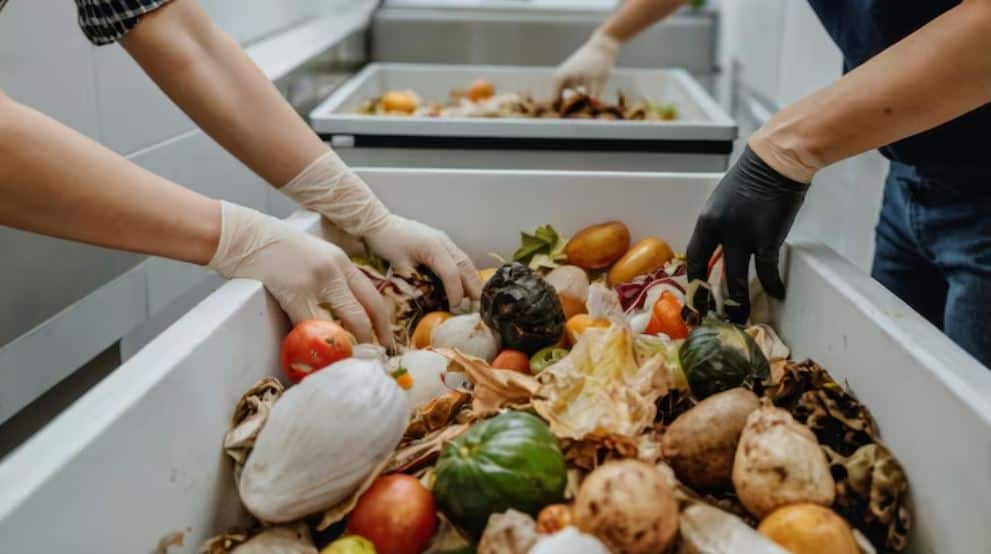
7. Start a Small Compost Bin
Not everything can be eaten. Start a simple compost bin for peels, eggshells, and vegetable scraps. The compost can later feed your garden or plants. This way, nothing goes completely to waste.
Start with just two or three of these habits. Small steps add up quickly. You’ll notice your grocery bill going down, your fridge staying cleaner, and less guilt about throwing food away. Saving resources helps save our planet too.
(This article is intended for your general information only. Zee News does not vouch for its accuracy or reliability.)


