


Real-life Toy Story? This start-up can bring your favorite characters to life


In Toy Story 5, Woody, Buzz and the gang encounter Lilypad, a digital tablet that competes for Bonnie and her friends’ attention, as Pixar explores the tension between toys and screen time.
A new tech company is leaning into that dynamic by offering users a way to bring their own much-loved characters to life.
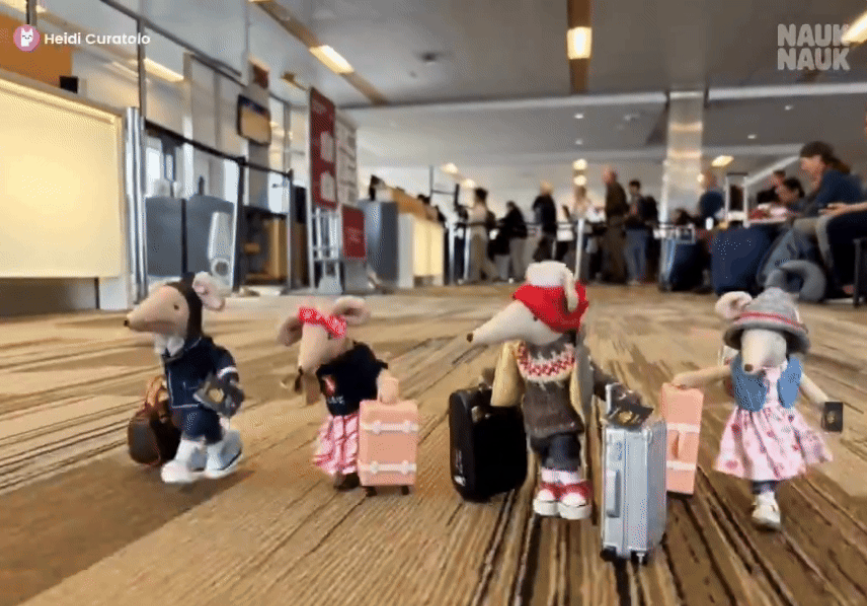
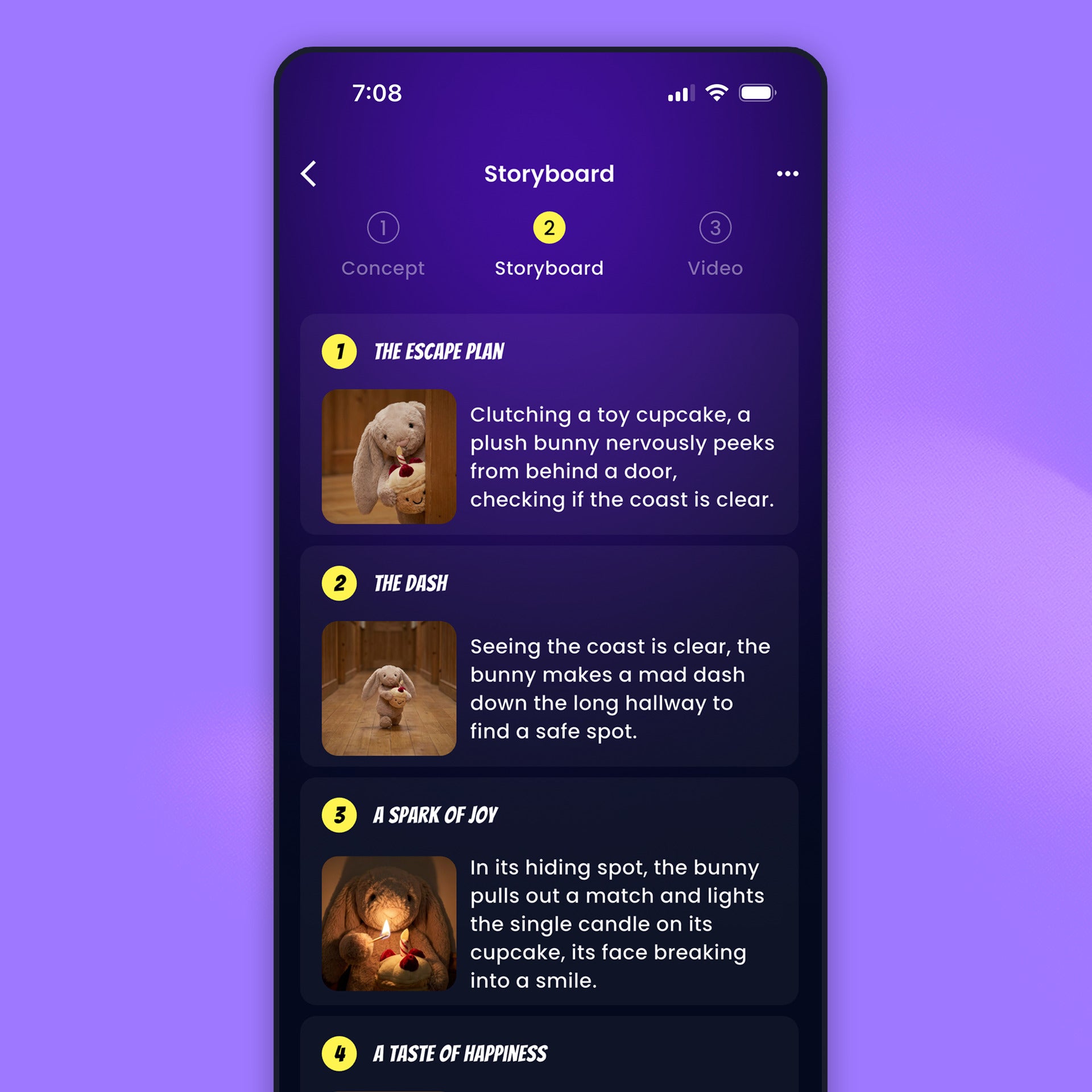
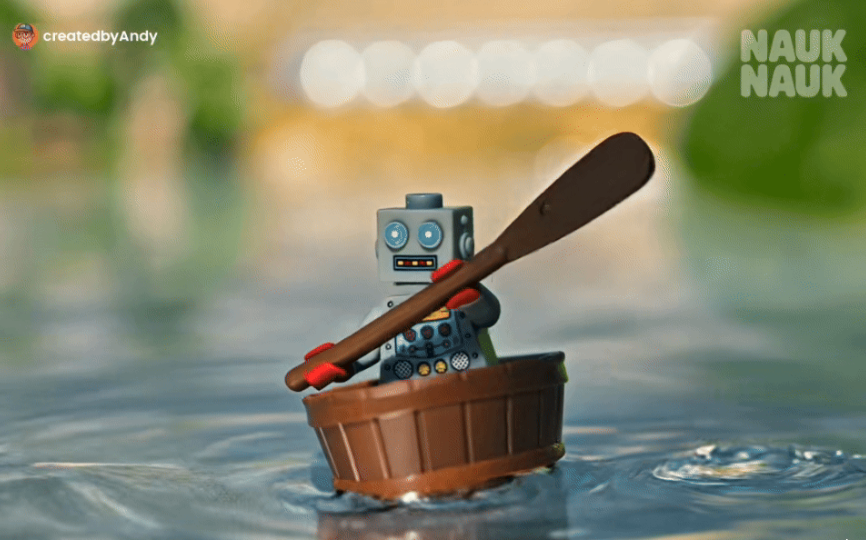
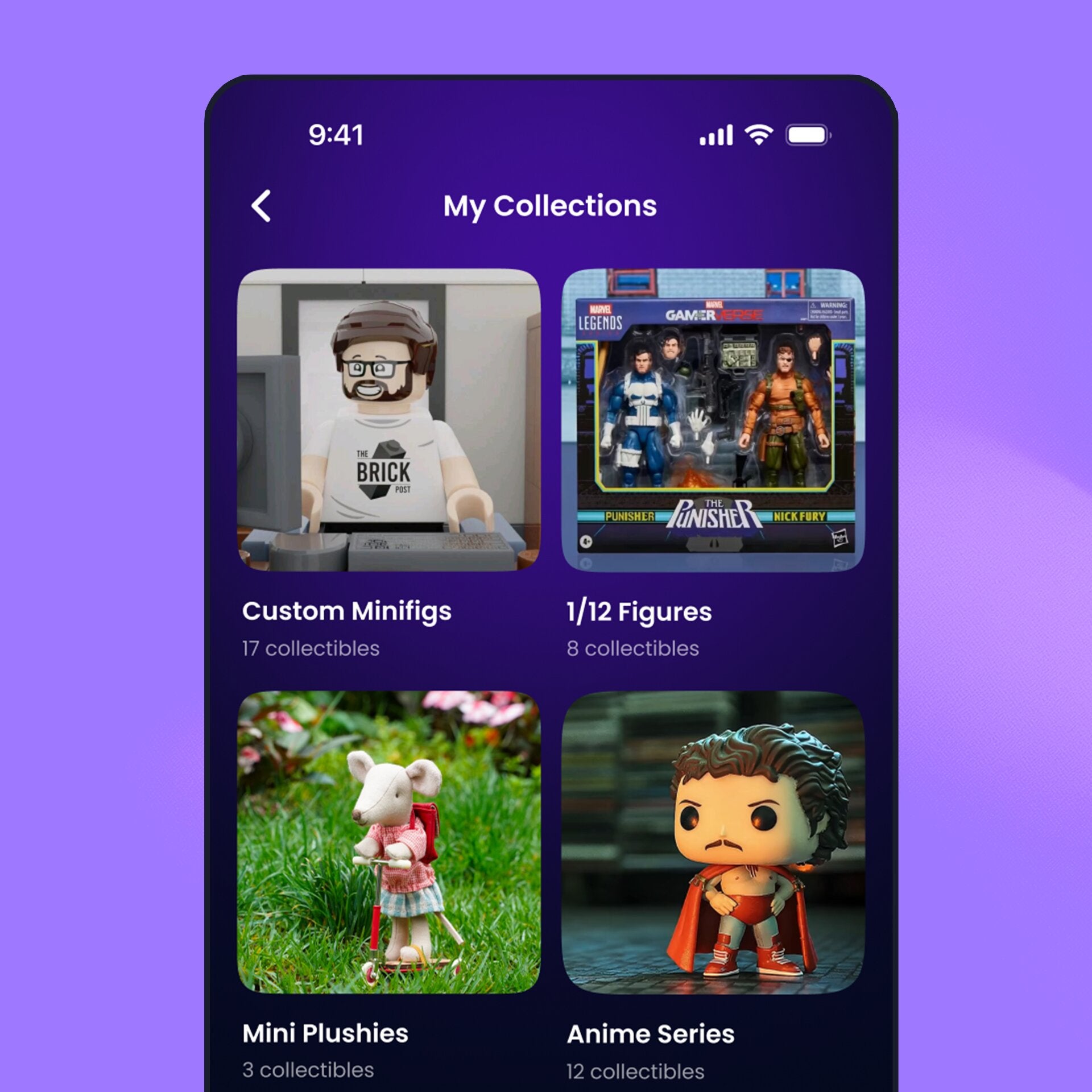
NaukNauk (pronounced “Knock Knock”) is an app and social media platform that uses AI to transform photos of people’s real toys and collectibles (be it action figures, Lego miniatures or even that beloved handmade crochet puppet) into moving and speaking digital characters in short animated videos.
In one video, three Winnie the Pooh plush toys gather around a book based on the animated series. The plushies appear to speak to one another, saying: “I wish Chloe was here to read the story to us,” presumably referring to their human owner.
NaukNauk founder Daniel Liu, a 36-year-old who attended NYU Tisch School of Arts, told The Independent that the platform was a “long-term idea” originally aimed at adult toy collectors, but miniature hobbyists and crafters have also gotten hooked.
“We kind of view ourselves as ‘kidults,’ and we always knew we wanted to build something around it,” Liu told The Independent.
Liu says these “kidults” – adults who maintain a connection to childhood interests, he explains – find meaning and identity through toys, collectibles and hobbies they never left behind.
“The reason it has a stigma is that society has always said, ‘Oh, you shouldn’t play with toys after you grow up, you shouldn’t watch Disney movies,’ and all that,” Liu said. “But now, people just don’t care anymore. It’s part of your identity, and if it’s something you grew up with, it’s not easy to abandon.”
The startup, which has about 20 remote employees worldwide, recently raised $20 million in investment, Liu confirmed to The Independent after previously sharing the news with Axios.
While Liu underlines that NaukNauk isn’t aimed at children, it’s already attracting young users, adding another layer to the conversation about the rapid rollout of AI and social media use by minors.
A 2019 Michigan Medicine review found that apps and games on digital devices, like smartphones and tablets, can be a useful tool for children, but balancing screen time with hands-on play and real-world experiences is important for healthy development.
AI tools, NaukNauk specifically, have faced criticism from people on social media, calling it “AI slop,” and taking away from artists and animators bringing characters to life. Others argue that AI overall could diminish children’s imagination and creativity, that is sparked by physical toys.
A March report from the University of Cambridge warns that AI-powered toys that interact with children need stricter regulation, privacy standards and safety labels, finding these products can struggle with emotional responses, pretend play and understanding kids despite potential benefits for language development.
The researchers said activities like playing with toys, reading, and spending time outdoors help children develop creativity, problem-solving skills, emotional control, language and social skills. Many digital games, meanwhile, come with built-in rewards and set paths that can limit imagination and opportunities for kids to lead their own play.
Josephine Hunt, an educator and child development expert with more than two decades of experience, told The Independent that the key question surrounding AI is not whether it is inherently good or bad, but “what human experience is the technology strengthening, and what human experience might it be displacing?”
Hunt said AI can enhance imaginative play when it inspires creativity, but it can undermine it when it does too much of the imaginative work for children.
“AI can animate a child’s toy, but we must be careful that it does not gradually replace the child’s responsibility for animating the story,” she added.
While AI tools can encourage creativity when paired with active, hands-on play, Hunt warned that constant stimulation and instant rewards may make it harder for children to develop sustained attention and independent thinking.
“Children need to experience themselves as producers of ideas, not merely consumers of increasingly sophisticated content,” Hunt said.
Liu emphasized that NaukNauk was created with adults in mind and is not aimed at children.
He said the plot of Toy Story 5 showed how a platform like his could provide a new way to capture the magic of childhood toys, even when you’re all grown up.
“The general plot is like the kid, the tablet is here, and then no one wants to play with the toys anymore,” Liu said. “But actually, what we found is people are playing with their toys even more now because we’ve given them a medium to actually express themselves with their toys.”
Some parents, who have allowed their children to use NaukNauk, are seeing real value in it.
Sharon, a British mother-of-three, said her two youngest sons, aged 5 and 8, use NaukNauk with their plushie teddy bear, Old Ted, to create animated stories. In particular, they’ve created a series where Old Ted shares fun facts for their older brother, who has autism and is part-time homeschooled.
“It has helped to nurture his imagination and given him something to focus on, which also helps him calm when particularly anxious or upset,” Sharon, who asked that her last name not be used, told The Independent.
“For my sons, seeing toys come alive and seeing their own story ideas come to life with Old Ted is something that really fuels their happiness and excitement.”

NaukNauk has a community of about 2,500 users on its platform, where members can share and see others’ AI-generated animations. Sharon, who said her sons only use the app under her supervision, said she has found this community to be supportive.
“It is a very supportive and kind community that helps each other nurture a creative side, no matter what age the person is or their ability,” she said.
In Calgary, Alberta, NaukNauk user Vivian, who also asked that her last name not be used, joined the platform in November after discovering it on Facebook. Her channel, Adventures of BunnyBear and Monkey, brings a plush bunny and monkey to life through animated adventures, from laundry mishaps to Karate Kid-inspired training.
Vivian views plush collecting as a creative and comforting outlet.
“Part of the appeal is bringing them to life through animation, like NaukNauk, or photography. Giving a plush toy expressions, poses or a personality makes its cuteness even more apparent and turns it into a creative outlet that I genuinely enjoy,” she told The Independent.
Though she’s an active user of the app, Vivian says she doesn’t identify as a “kidult.”
“I don’t think the label fully defines me. I’m simply an adult who appreciates cute things, finds comfort in plush toys, enjoys the nostalgia they evoke, and likes expressing creativity through them,” Vivian said.
She also said the growing NaukNauk community has become a supportive space where creators connect through a shared love of making things.
“I’ve been lucky to meet so many incredible creators here. Some have been with me since the very beginning, while others I’ve met along the way as this community has grown,” she said. “Every connection has made this journey even more meaningful.”
Liu’s long-term vision for NaukNauk is that it grows to be more than a creative tool and into a social media platform like Discord, Reddit or Instagram, which all exploded in popularity partly due to shared interests.
“We want it to be the home for, if you’re an adult, you want to view NaukNauk as your home,” Liu said.


