


Short bursts of this exercise appear better for you than one long stint, study finds


Want to bookmark your favourite articles and stories to read or reference later? Start your Independent Membership today.
Already a member?
Log in
Short, brisk walks help regulate blood sugar levels better than one long walk, according to a new research.
Adults with obesity who cut 45 minutes of daily walking for five days a week into five-minute hourly bursts saw the most improvement after six weeks, researchers in Colorado and France said.
Though the randomized trial had only 30 adult participants, the researchers say the findings could help guide healthy fitness habits.
“Our findings suggest that how we distribute physical activity throughout the day may be just as important as how much we do,” corresponding author Audrey Bergouignan, Director of Research at the French National Centre for Scientific Research, said in a Wednesday statement.
“Rather than relying solely on a single exercise session, regularly interrupting prolonged sitting with short walks may offer additional benefits for blood glucose regulation, especially in people at risk of developing type 2 diabetes.”

A small sample pool
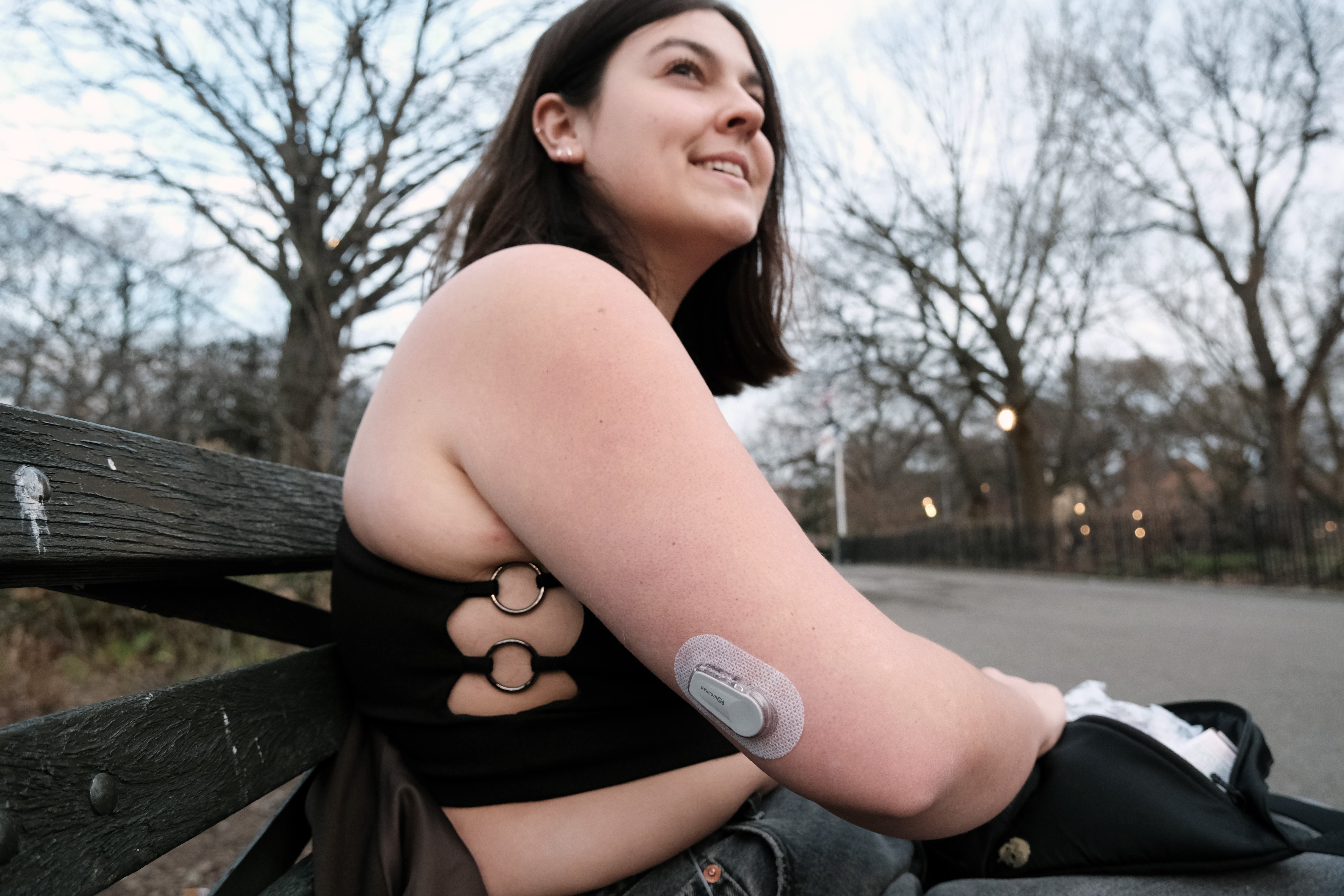
The researchers monitored participants’ ability to regulate blood sugar using sensors, known as continuous glucose monitors, and lab tests.
Normal blood sugar levels are between 70-99 milligrams of sugar per deciliter of blood (mg/dL), and levels above 126 mg/dL typically mean you have diabetes, according to the Cleveland Clinic. The researchers wanted participants to maintain a range of between 70-140 mg/dL.
People who broke up their walking into small chunks remained within that range and experienced less fluctuation in blood sugar levels, the tests showed.
The researchers don’t yet know why this occurred but have some theories. They suggest short bursts of walking activates muscles and helps blood flow more easily than long walks, ensuring sugar doesn’t just build up in the blood.
There also may be an impact on how fat tissue responds to the hormone insulin or how the liver releases sugar into the bloodstream for energy with repeated muscle activity.
Larger and longer studies are needed to understand potential benefits, emergency physician Dr. Leana Wen, a clinical associate professor at George Washington University who was not involved in the study, told CNN.
“Moreover, researchers did not control participants’ meal timing or dietary composition during glucose monitoring, both of which can influence blood sugar measurements,” she said Tuesday.
“And we don’t know whether the observed changes translate into a lower risk of developing diabetes or other long-term complications.”
The takeaway
Tens of millions of Americans live with high blood sugar, putting them at higher risk of developing chronic disease, such as diabetes and cardiovascular conditions.
Getting regular exercise can help keep levels normal with just a minute taking the stairs enough to make a difference, according to recent research from San Diego State University.
Does the new research mean people should revise their regular workouts? Not yet, according to Wen. That’s because the study doesn’t assess other key aspects of health, including muscle mass and cardiovascular effects.
“To me, the practical takeaway is that everyone should incorporate movement throughout the day, including those who regularly exercise,” she said, adding that “ a daily workout and regular ‘exercise snacks’ serve complementary purposes.”


