


Where do braids originate from: Their cultural and historical significance | – The Times of India


Braids feel normal today. They show up everywhere, so familiar that we rarely stop to think about where they began. But asking where braids come from and why they have lasted for centuries opens up a story that is much older than fashion. Braiding started as something practical, a way to manage hair in daily life. Over time, it became something more. It turned into a quiet language of identity, care, and belonging that could survive even when everything else changed.Hair stays with you. Clothes tear, tools break, homes disappear. Hair remains. Early humans used it as one of the few reliable ways to express who they were. Braids made that expression durable. They held shape, meaning, and memory in a way few other things could.A peer-reviewed study published on PubMed examining hair at the intersection of anthropology and dermatology explains how hair has long functioned as a marker of identity across human societies. The research highlights that grooming practices were not merely aesthetic but deeply social, reflecting belonging, tradition, and cultural continuity. Because hair is always visible and moves with the individual, styles and patterns became a reliable way to express identity even when clothing, tools, or other material markers changed or disappeared over time.
How braids appeared in early human societies
Evidence of braiding goes back thousands of years, with some of the strongest traces found in Africa. Ancient sculptures, rock art, and burial remains show carefully braided hairstyles dating back more than three thousand years. These were not random choices or personal experiments. They followed patterns that were taught, repeated, and recognised.In ancient Egypt, people from different social backgrounds wore braids. Children, adults, workers, and royalty all used similar techniques, sometimes simple, sometimes detailed with beads or shells. The point was not decoration alone. Braids brought order and structure to everyday life.Some researchers even believe that the famous Venus of Willendorf figurine represents a woven or braided hairstyle rather than a hat, suggesting that braiding may predate written history by a long margin.
How braiding shaped identity in African cultures
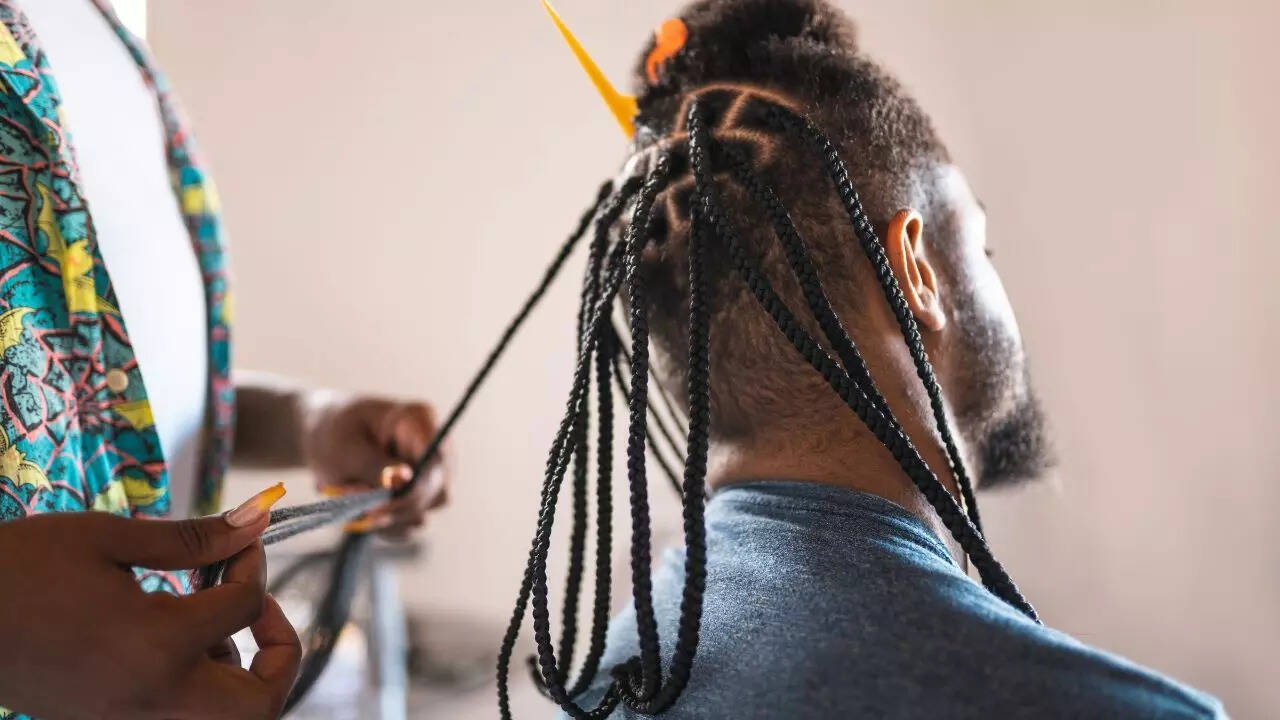
Looking at African cultures helps explain why braiding became so important. Hairstyles carried information. They could show age, marital status, community role, or spiritual position. In many cases, you could understand someone’s place in society simply by looking at their hair.Braiding was also a shared activity. Hair was often braided slowly, by elders or family members, while stories were told and lessons passed on. This made braids more than a style. They became a way to preserve knowledge and connection. During periods of displacement and slavery, braids helped people hold on to identity when names, language, and possessions were taken away.
How braids developed in other parts of the world
Braiding did not exist in only one region. Similar techniques appeared independently across the world. Indigenous communities in the Americas used braids to symbolise connection to land and ancestry. In ancient Greece and Rome, braided hairstyles were associated with discipline and order, especially for women.In parts of Asia, braids were linked to family tradition and responsibility. These similarities are not accidental. Braiding solves universal problems. It protects hair, keeps it manageable, and allows expression without tools or technology.
Why braids never disappeared
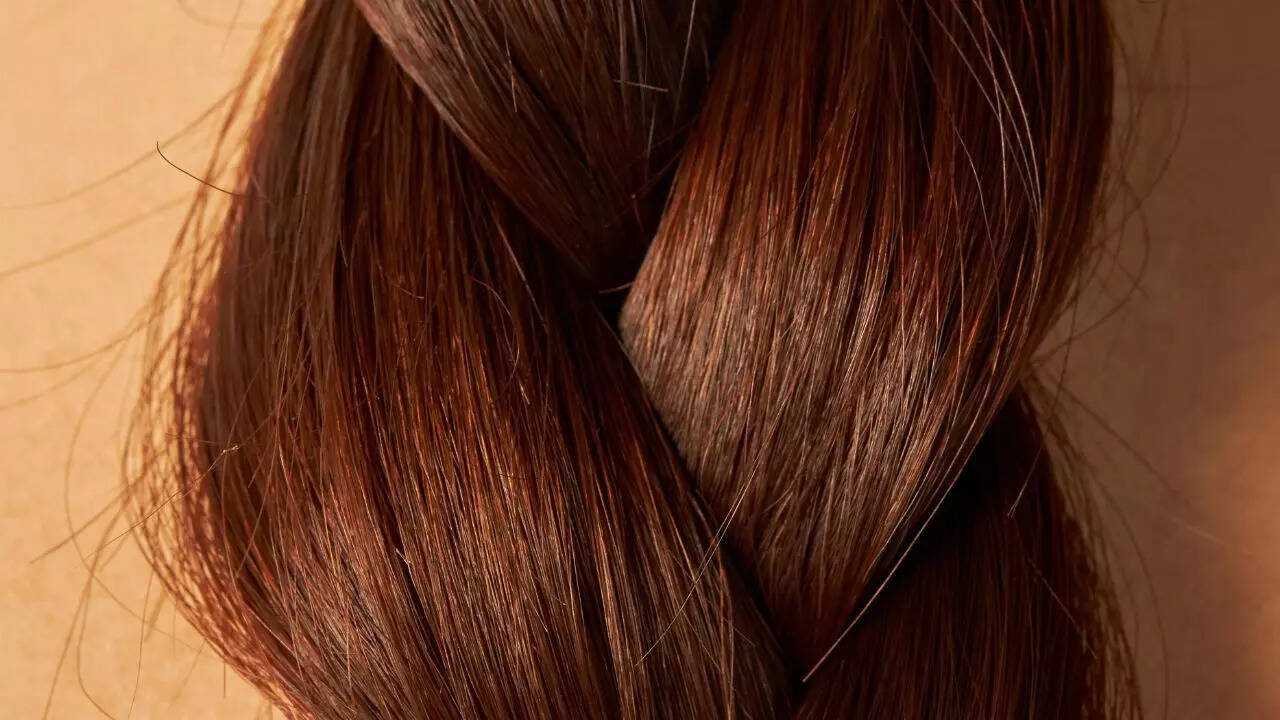
Understanding where braids come from helps explain why they never truly disappeared. Braids adapt easily. They change shape and meaning without losing their core purpose. They survive migration, shifting beauty standards, and social change because they are rooted in daily life rather than trends.Braids also age well. They grow with the person wearing them. They do not depend on materials that can be lost, banned, or replaced. That flexibility is why they keep returning, generation after generation.
Why the history of braids still matters
The history of braids matters because it explains why they still carry emotional weight today. Braids are not just hairstyles. They hold stories of care, resilience, and belonging.Knowing where they come from helps us see them for what they are. Living history, worn quietly, connecting people across centuries without needing words.Also read| Pheran vs Kaftan: What is the real difference between the two garments


