


Why teens get withdrawals from social media – and how to deal with it


As the Government continues to tease a complete social media ban for under-16s, many people are wondering how such a move could affect teenagers in everyday life.
Even as adults, many of us find it difficult to resist the temptation to constantly check our phones.
“While social media withdrawal is not formally recognised in the same way as withdrawal from substances, the experience can feel very real, particularly for teenagers and young adults,” says Dr Vica (Victoria) Khromova, consultant child and adolescent psychiatrist at Cygnet Health Care.
We spoke to some experts about why teenagers in particular can experience social media withdrawal symptoms, and what can be done to help manage them.
What are some key signs of social media withdrawal?
Being forced off social media can have an impact on your mood.
“Irritability is a big one and teens might become very snappy with those close to them, such as their parents,” says Khromova.
Feelings of boredom are also common.

“They might not know what to do with themselves and struggle with boredom,” says Hilda Burke, BACP-accredited psychotherapist and author of The Phone Addiction Workbook.
“We often medicate boredom with social media which means that kids don’t get bored anymore because they’ve got TikTok videos to watch. So, I think boredom is probably a big thing that teens would have to confront in the absence of social media.”
Withdrawal can sometimes also present with anxiety.
“They might suddenly start to feel quite anxious if they were previously using social media as a way of managing their anxiety,” says Khromova.
Burke agrees and adds: “A lot of teen relationships are forged online on social media, so it can be quite unsettling and scary when that key part of how many of your relationships developed is taken away from you.”
Social media is also closely linked to friendships and social identity for many teenagers, which makes can withdrawal harder.
“Their social lives are happening on social media, so if they don’t know who said what about who in school, then they might feel out of the loop which can be hard for them as peer validation is really important to teenagers,” says Khromova.
“The fear of missing out, or ‘FOMO’ (fear of missing out), can further intensify feelings of discomfort when social media use is restricted.”
What causes this withdrawal?

“Interactions on social media – such as messages, likes and notifications – triggers the release of dopamine, a neurotransmitter linked to motivation, reward and pleasure and the brain can become accustomed to these frequent bursts of stimulation, making the absence of them feel uncomfortable,” explains Khromova.
Therefore, withdrawing suddenly can be very difficult.
“If someone just stops social media cold turkey, or takes a phone off their child, it would probably take about three or four weeks until you start to see things getting better,” says Khromova.
“Taking a break from social media is good because it allows the brain to have time to reset and allows the various dopamine and serotonin pathways to reset, but I would say that going completely cold turkey can be really tough way of doing that.”
Here is some tips on how to manage this…
Have self-compassion
“When we’re looking to retrain ourselves with any habit that we think is harmful, the first thing we need to do is start from a place of compassion and understanding,” says Burke. “There’s huge financial investment working to erode our willpower, so it’s important to bear that in mind that it’s going to be a process. ”
Take a more gradual approach
“Rather than attempting a sudden digital detox, which can feel overwhelming and difficult to maintain, gradual changes are often more effective,” says Khromova.
Burke agrees and adds: “Most people can’t do a sudden detox because they’re coming from a high level of dependency, so I would recommend starting off with short periods of no phone time and to build it up from there.”
Talk about what they get from social media
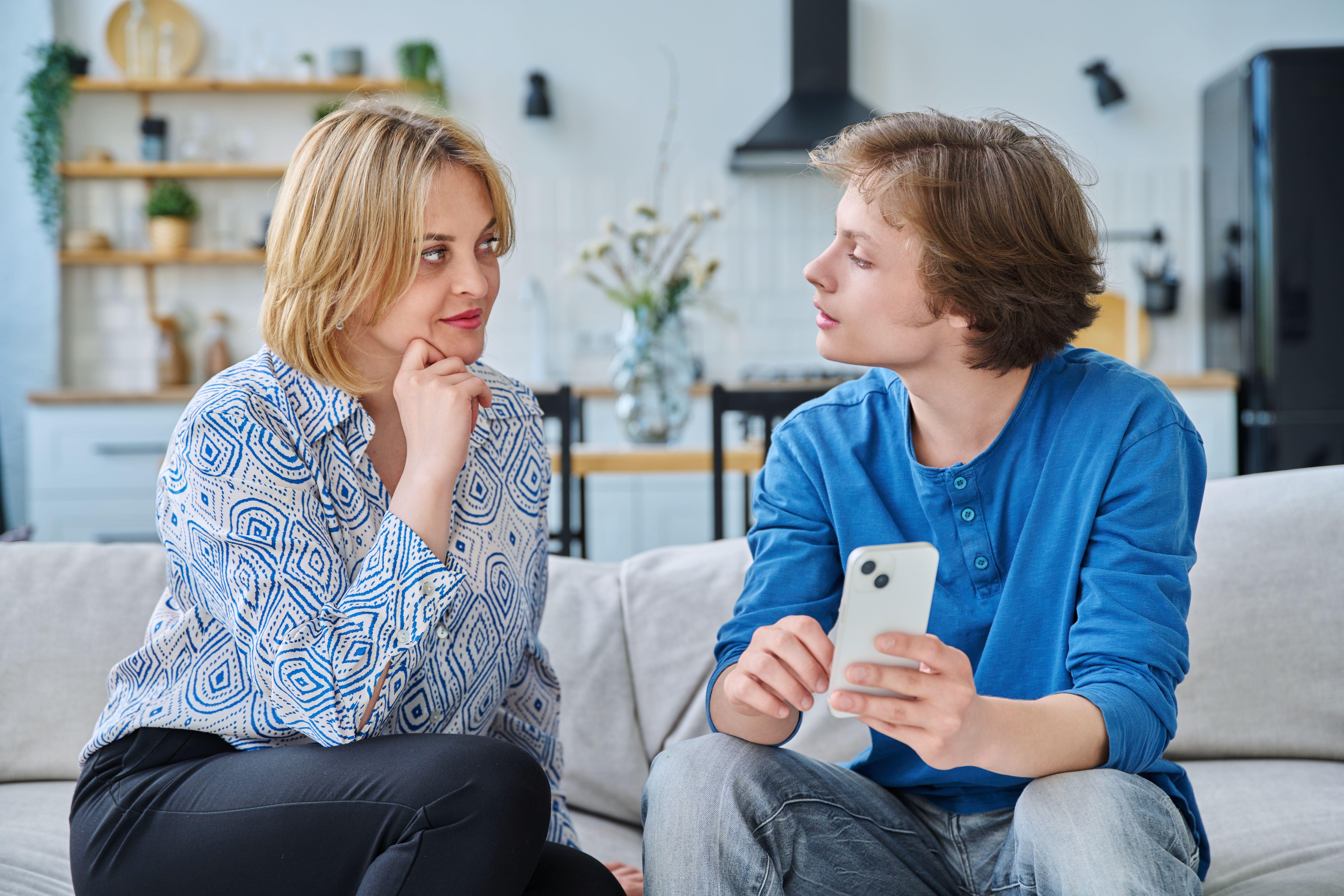
“Talk to your teen about what they get from social media,” recommends Khromova.
“If one of the main things they get from social media is connection, then helping them plan activities that involve connecting in real life can help replace some of what social media offers with the real life experiences.”
Replace social media with other rewarding activities
“The good news is that these feelings are usually temporary and often improve as the brain adjusts to different sources of stimulation and reward,” says Khromova.
“The brain responds best when we substitute a habit rather than simply remove it, so plan to do something as a family, such as karaoke, to slot into that time.”
Be a role model as a parent
“Parents often want their kids to be on social media less, but spend a lot of time on their own devices, so it’s important to think about what example you are setting,” says Burke.


