


World Gin Day 2026: Deodar, Palash And Himalayan Juniper: Indian Gins Are Making Local Botanicals The Star


Last Updated:
India’s craft gin movement was never just about making good gin. It was about making unmistakably Indian gin. This World Gin Day, the distillers doing exactly that tell us how.




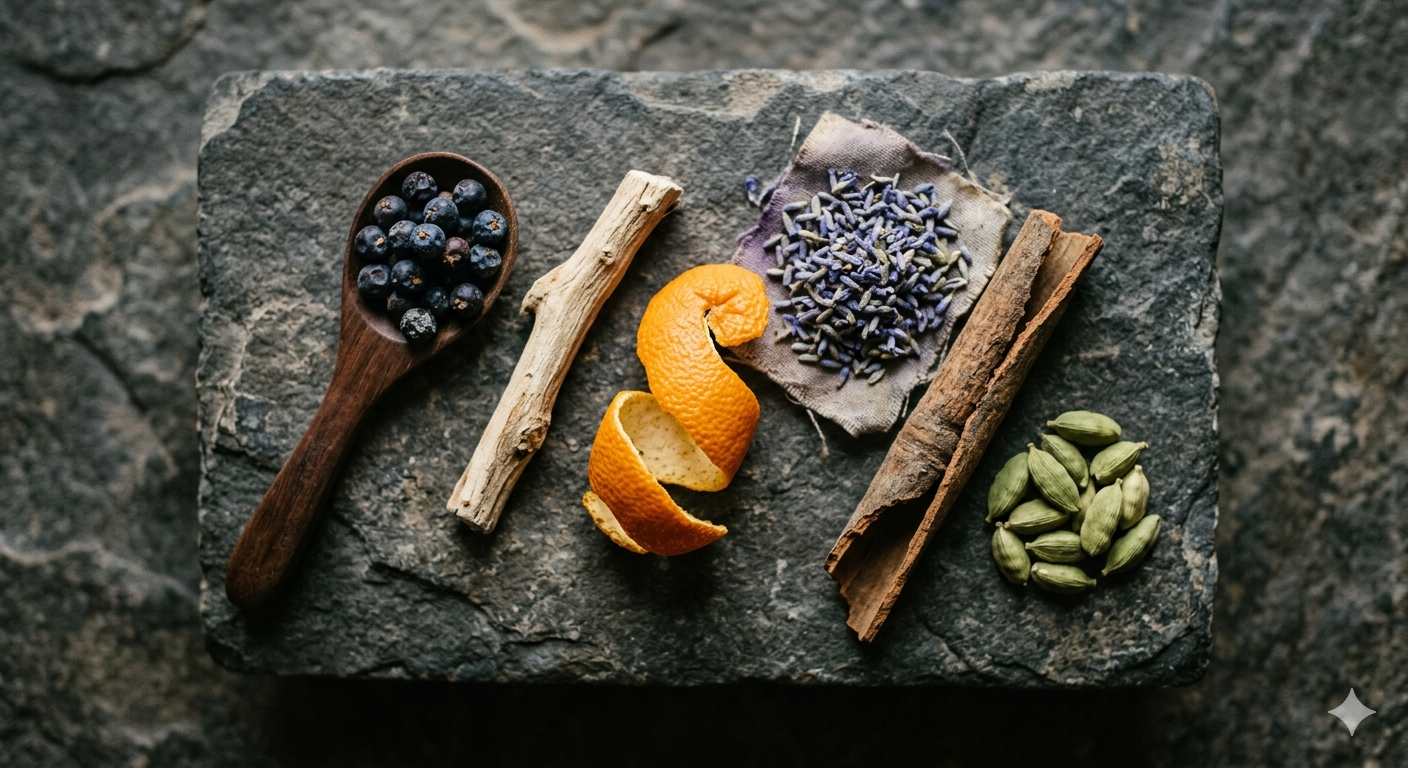
Deodar, Palash And Himalayan Juniper: Indian Gins Are Making Local Botanicals The Star. Credit: AI-generated image
Every country eventually finds its drink. Not the one it imports or imitates, but the one that could only have come from there — shaped by its soil, its altitude, its forests, its history. For India, that drink is turning out to be gin. Which, when you think about it, makes perfect sense. A country with this much biodiversity, this many distinct landscapes and this deep a relationship with botanicals was always going to make gin its own. It just took a new generation of distillers to prove it.
The Ingredient That Started It All
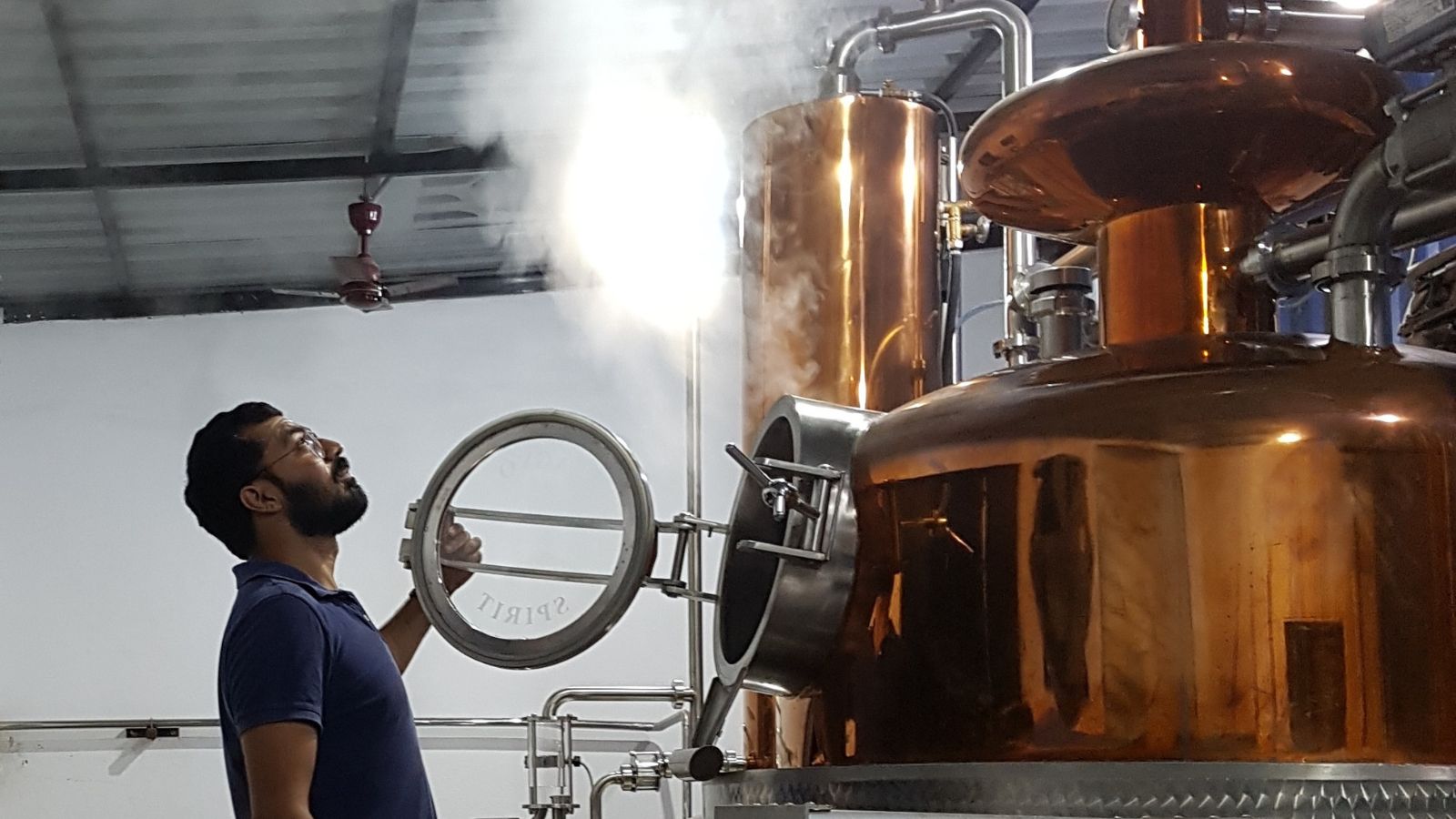
Ask Anand Virmani, Co-Founder and Master Distiller at Nao Spirits and Beverages — the team behind Greater Than and Hapusa — and he’ll tell you that the beginning wasn’t really about botanicals at all. “When we launched Greater Than, the goal wasn’t necessarily to create a gin centred around Indian botanicals; it was to create a high-quality Indian craft gin at a time when one didn’t exist. We wanted to make a gin that bartenders loved working with, but one that was also approachable enough for someone trying gin for the first time.”
Hapusa, however, was a different conversation entirely.
“The Himalayan juniper came first: foraged, growing at altitude, with a depth and complexity that most gin juniper simply doesn’t have. That ingredient made the decision for us. If you’re building a gin around something that specific and that rare, everything else in the recipe follows from it.”
Bikram Basu, Managing Director at ABD Maestro and the force behind Pumori gin (named after Mt. Pumori, the ‘Daughter of Everest’) knows exactly what Virmani means. “The Himalayan variety carries a quality that European-sourced juniper doesn’t replicate; this is cleaner, it has more resinous lift to it and less of the woody bitterness we find in botanicals sourced from lower altitudes. It has a kind of purity that reflects where it comes from: high altitude, fresh air, and terroir matters.”
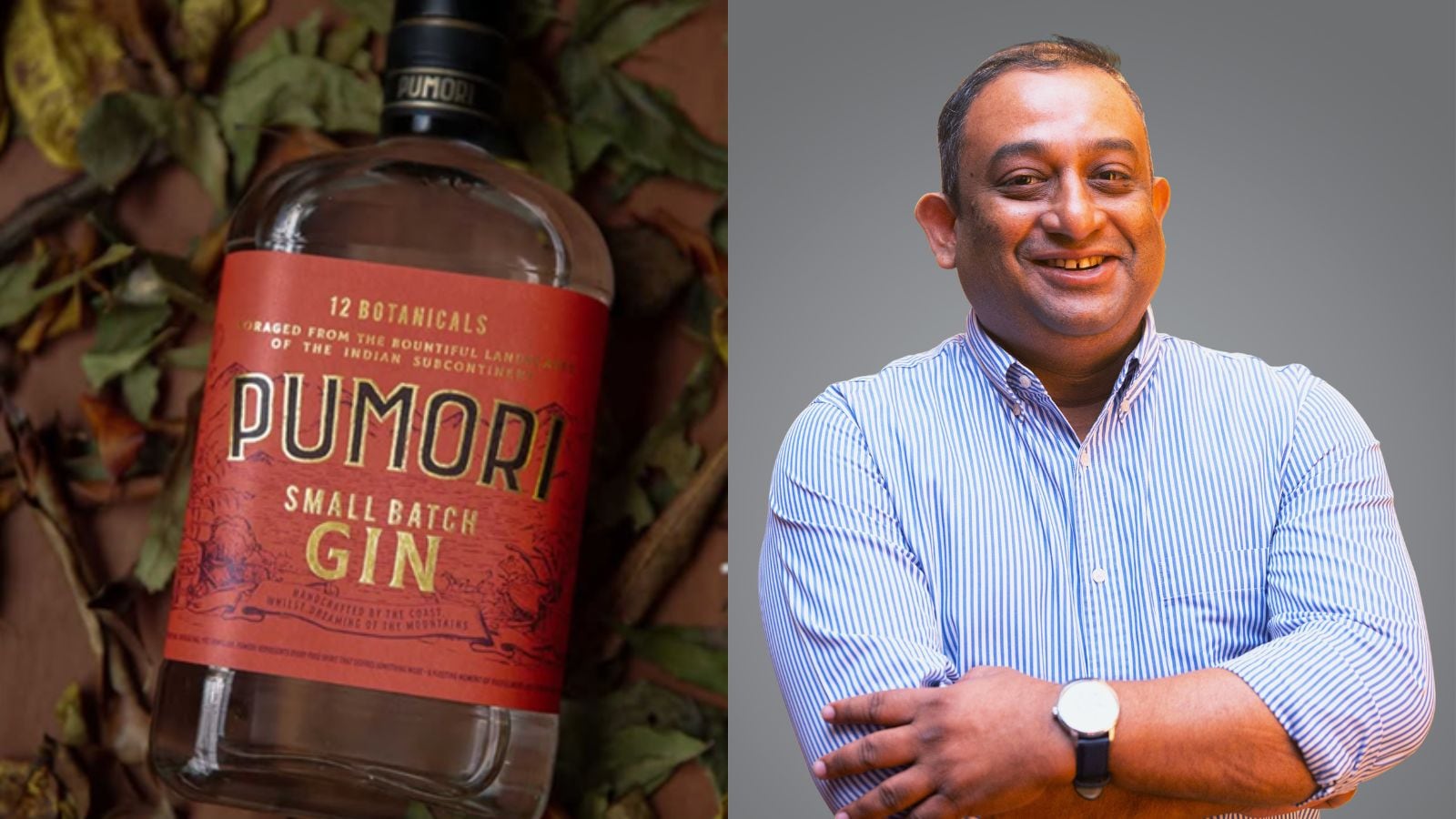
For Pumori, that purity isn’t just in the juniper. “When a drinker first brings a Pumori to their nose, it is juniper and pine that greet them followed by a citrus note that feels both fresh and familiar. The orange peel is sourced from Nagpur and the lemon from the Gondhoraj variety of eastern India: two of the most celebrated citruses on the subcontinent, chosen because they carry a sense of place that no imported ingredient can replicate.”
Even the bottle carries the story. Its shape was inspired, Basu explains, by “the canteens carried by travellers from a bygone era — rugged, purposeful, built for the journey. That design spirit of adventure and old school craftsmanship mirrors exactly what goes into creating the gin itself.”
Into The Forest
Not every Indian gin looks to the mountains. Vaniitha Jaiin, Chief Evangelist, Founder and CEO of Vanaha Gin at Revelry Distillery, turned instead to the forest, and found something the spirits world had barely touched.
The name Vānaha evokes forests and the wild, and Jaiin is precise about which botanical best captures that spirit.
“If I had to choose one, I would probably say Palash flower. It is often called the ‘Flame of the Forest’ and has a striking beauty that feels both wild and deeply rooted in the Indian landscape. What I love about Palash is that it represents the duality of a forest. There is vibrancy and colour, but also depth, resilience and seasonality.”
But it’s Deodar wood that tends to stop consumers in their tracks.
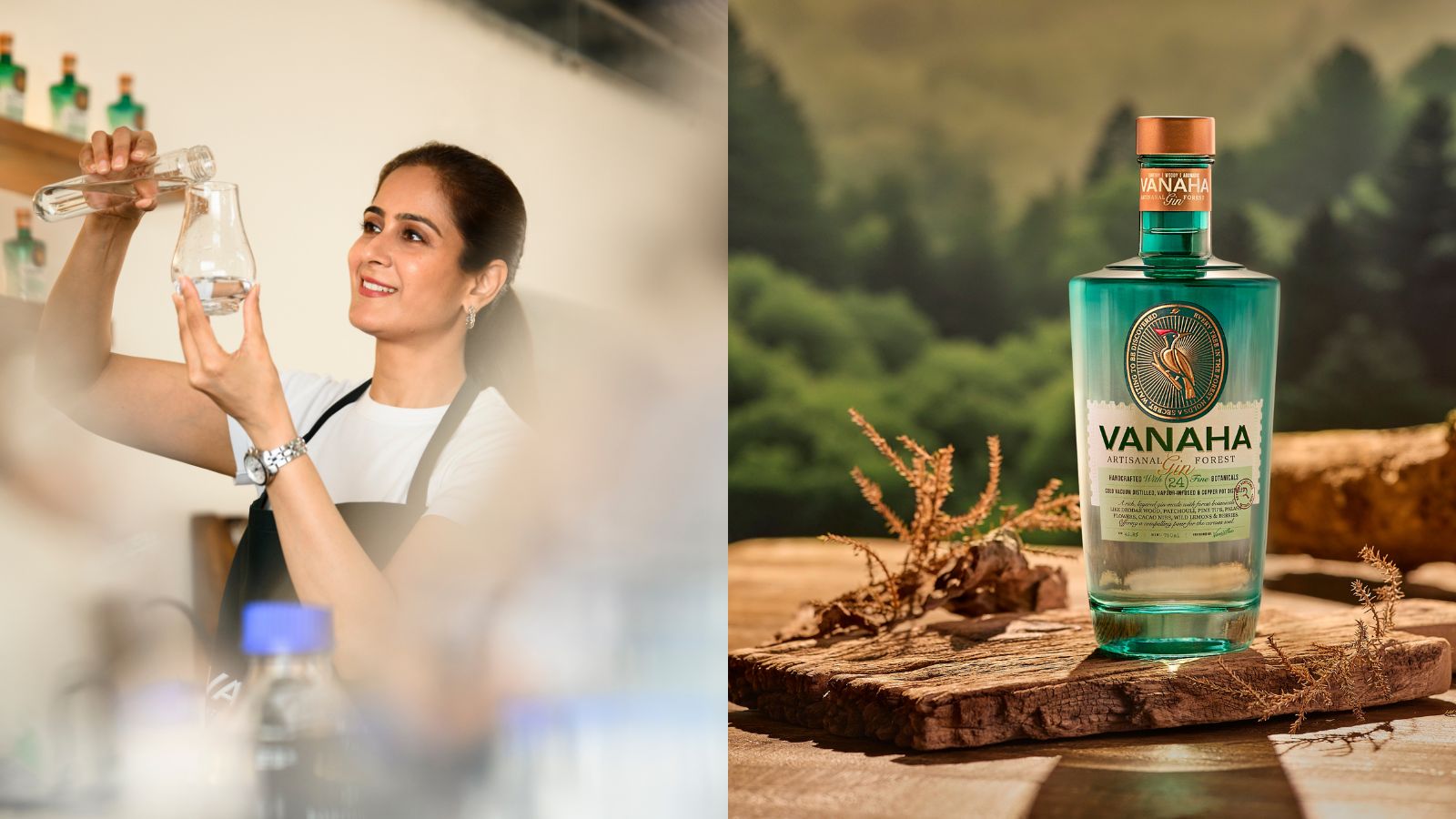
“Most people expect to hear about citrus, spices or flowers in a gin, but when they hear that we use Deodar wood, they immediately want to know what it contributes to the liquid. It is not a botanical that people commonly associate with spirits. For us, Deodar brings a subtle woody depth and a sense of grounding that helps create Vanaha’s forest-inspired character. It is one of those ingredients that makes people pause and ask questions, which I always enjoy because it opens up a larger conversation about how diverse and expressive Indian botanicals can be.”
The Quiet Hero
Sometimes the most important botanical is the one nobody talks about. Basu makes this case emphatically for liquorice, and does so with the authority of fifty botanicals tested over four years before arriving at a final twelve for Pumori. “People hear it and think of confectionery, which immediately makes them underestimate it. But in the context of a gin, a well-sourced Indian liquorice root does something remarkable – it provides a woody, almost earthy sweetness that balances the bouquet of botanical composition together without announcing itself. It is a structural botanical, not a showboating one.”
His conclusion cuts to something true about gin-making in general: “The botanicals that make the loudest claim on the nose are rarely the ones that make a gin truly worth returning to. Liquorice is a master of the middle and the finish, and that’s exactly where a gin earns its loyalty.”
Consumers Have Caught Up
A category is only as strong as its drinkers, and India’s gin consumers have arrived in the best possible way — curious, informed and hungry for stories behind the bottle. Virmani has watched this shift in real time. “When we launched Hapusa, most consumers had never heard of Himalayan juniper, and there wasn’t much awareness around indigenous Indian botanicals in spirits. Today, this has changed. Consumers are far more curious about where ingredients come from and the stories behind them. Whether it’s Himalayan juniper, kokum, gondhoraj lime or other regional flavours, there’s a growing appreciation for ingredients that are uniquely Indian and connected to place.”
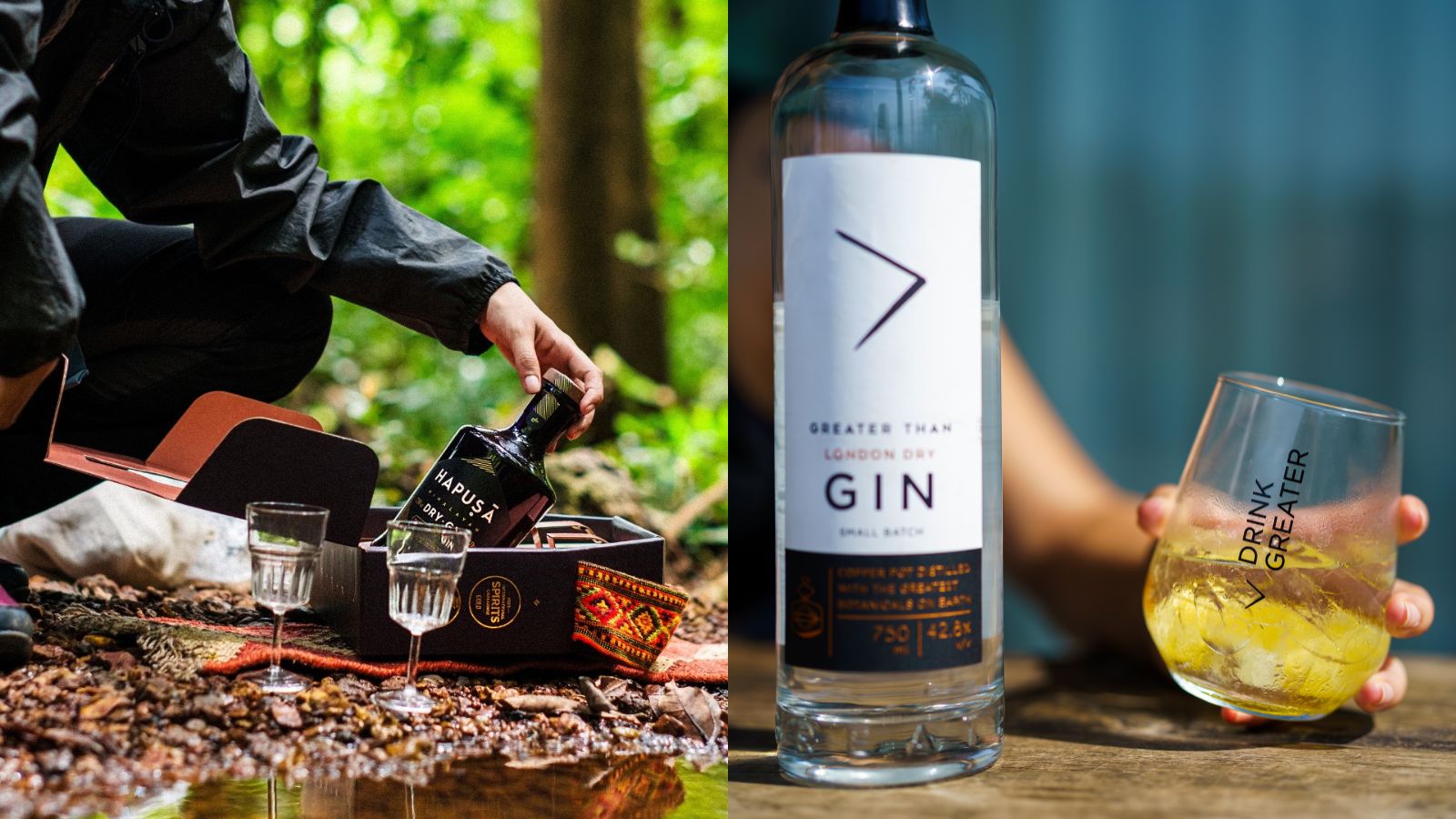
Basu agrees, and is unsparing about the difference between provenance as marketing and provenance as fact. “Provenance isn’t just marketing. It has to live in the liquid. Anyone can put homegrown on the label. The question is whether India is actually in the bottle.”
The Map Of What’s Still To Come
For all that has been discovered, the most exciting chapter of Indian gin may still be unwritten. Each of these distillers is looking at corners of the country that the category hasn’t reached yet.
Virmani points to the Northeast. “During one of our Forager’s Championship rounds, we came across a rattan fruit that was completely new to many of us. Even ingredients like raw mango, which are familiar to Indians, have potential. The most exciting discoveries aren’t always the rarest ones; sometimes they’re ingredients we’ve grown up with but haven’t yet explored through the lens of gin.”
Jaiin is watching Central and Eastern India. “When people talk about botanicals, the conversation often gravitates towards the Himalayas, Kerala’s spice belt or the North East. But India’s forest ecosystems are incredibly rich and still hold a vast range of flowers, fruits, roots, woods and aromatic plants that have not yet been fully explored through spirits. What excites me is not just discovering new botanicals, but understanding how they behave, how they can be distilled and how they contribute to flavour.”
Virmani, meanwhile, is equally focused on who is buying. “The premiumisation story moving beyond metros is the one worth watching closely. It’s not just that premium is becoming available in smaller cities; it’s that the consumer there is actively seeking it out. Haryana is already in our top five markets nationally. Rajasthan is in our top ten. Markets like these could account for close to 20% of our revenue within two years.”
If India Were A Gin
It’s a question worth ending on. If you had to distil the entire country into a single ingredient, what would it be?
Jaiin’s answer is unexpected and, on reflection, exactly right.
“I would choose juniper itself. That may sound unexpected given India’s incredible biodiversity, but juniper is a wonderful metaphor for the country. It is the backbone of gin, yet it allows many other botanicals to coexist around it. In the same way, India is incredibly diverse, with different cultures, languages, traditions and landscapes, all existing within a larger shared identity. India’s strength has always been its ability to bring together complexity without losing its core character. Good gin works in much the same way.”
Basu puts it another way, with a line that works equally well for a mountain and a movement: “When a consumer in Mumbai or Delhi or Sydney picks up a Pumori, we want them to feel that the mountains are genuinely in the bottle, not just on the label.”
About the Author

Mallika Bhagat is a Deputy News Editor at News18, where she leads the Lifestyle and Viral desks. A seasoned journalist and content strategist, she brings a decade of high-impact experience from India’…Read More


