


White Patches, Mouth Sores and Difficulty Swallowing? 7 Early Signs of Oral Cancer You Must Watch For


According to the World Health Organization (WHO), more than 10 million people die from cancer worldwide every year. In India, the incidence of cancer is rising steadily. A scientific paper published in the National Library of Medicine states that while 5–10% of cancers are linked to genetic factors, the majority are associated with lifestyle habits. Smoking, chewing tobacco, gutkha and alcohol consumption are among the leading risk factors for oral cancer. Experts say early diagnosis significantly improves the chances of successful treatment. (AI Image)
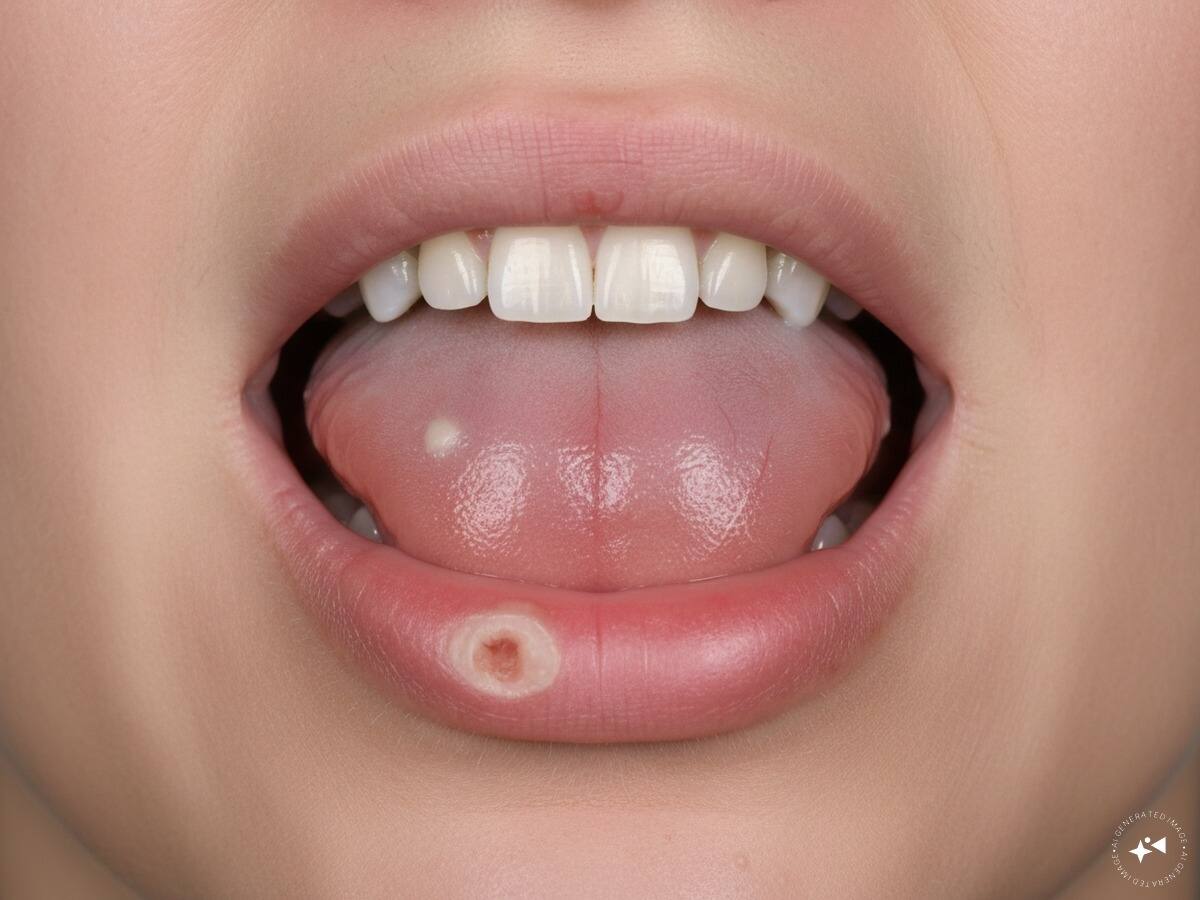
Speaking to News18 Hindi, Dr Aditya Sarin, Associate Consultant, Department of Cancer at Sir Ganga Ram Hospital, explained that oral cancer, also known as mouth cancer, can develop on the tongue, gums, inner lips, cheeks, the floor of the mouth and beneath the tongue. Cancer affecting the throat area is known as oropharyngeal cancer. The most common type of oral cancer is squamous cell carcinoma, accounting for about 9 out of 10 oral cancer cases. (AI Image)
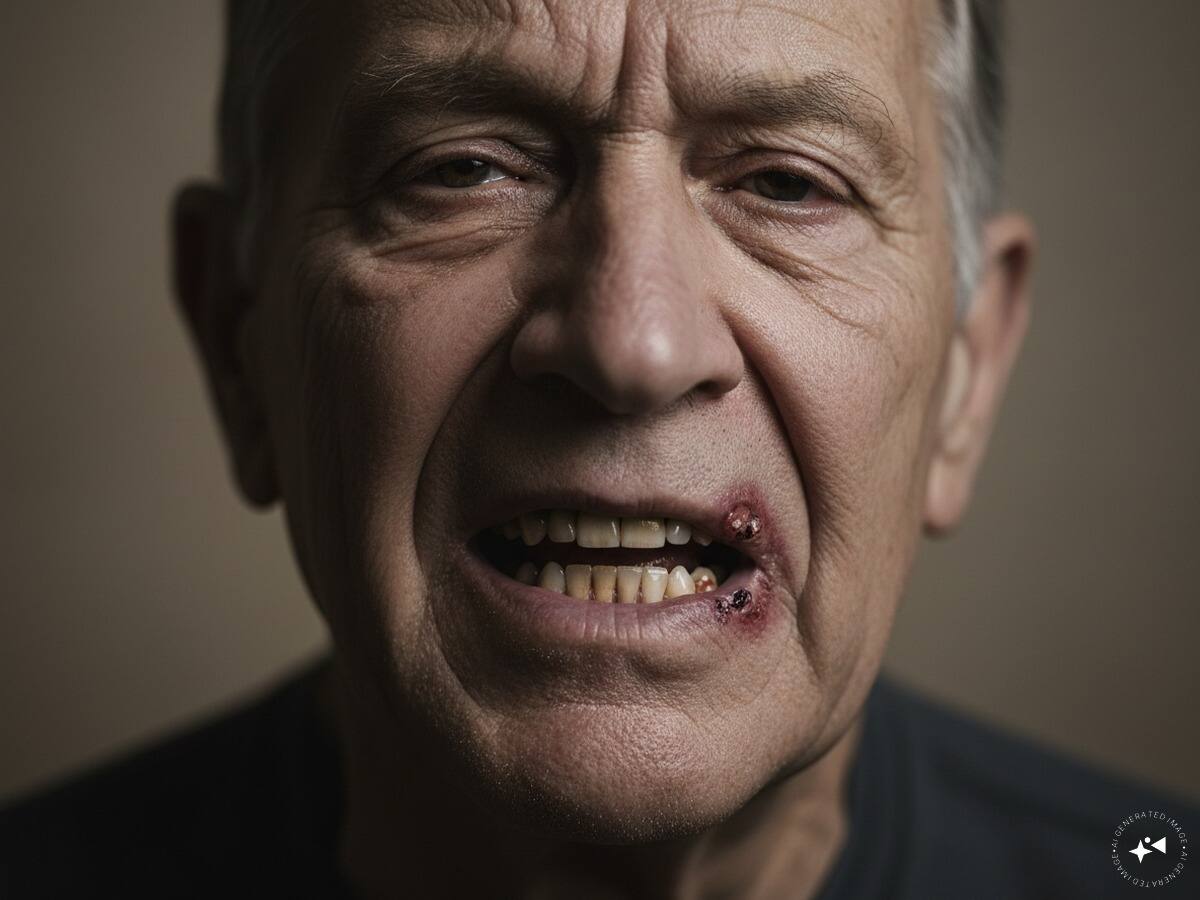
According to Dr Sarin, one of the earliest warning signs is difficulty swallowing food. Persistent mouth ulcers or sores that do not heal despite treatment should also be taken seriously. People who use tobacco may notice changes such as persistent blisters inside the mouth and discolouration of the teeth. Oral cancer can also become increasingly painful and may not improve with medication. (AI Image)
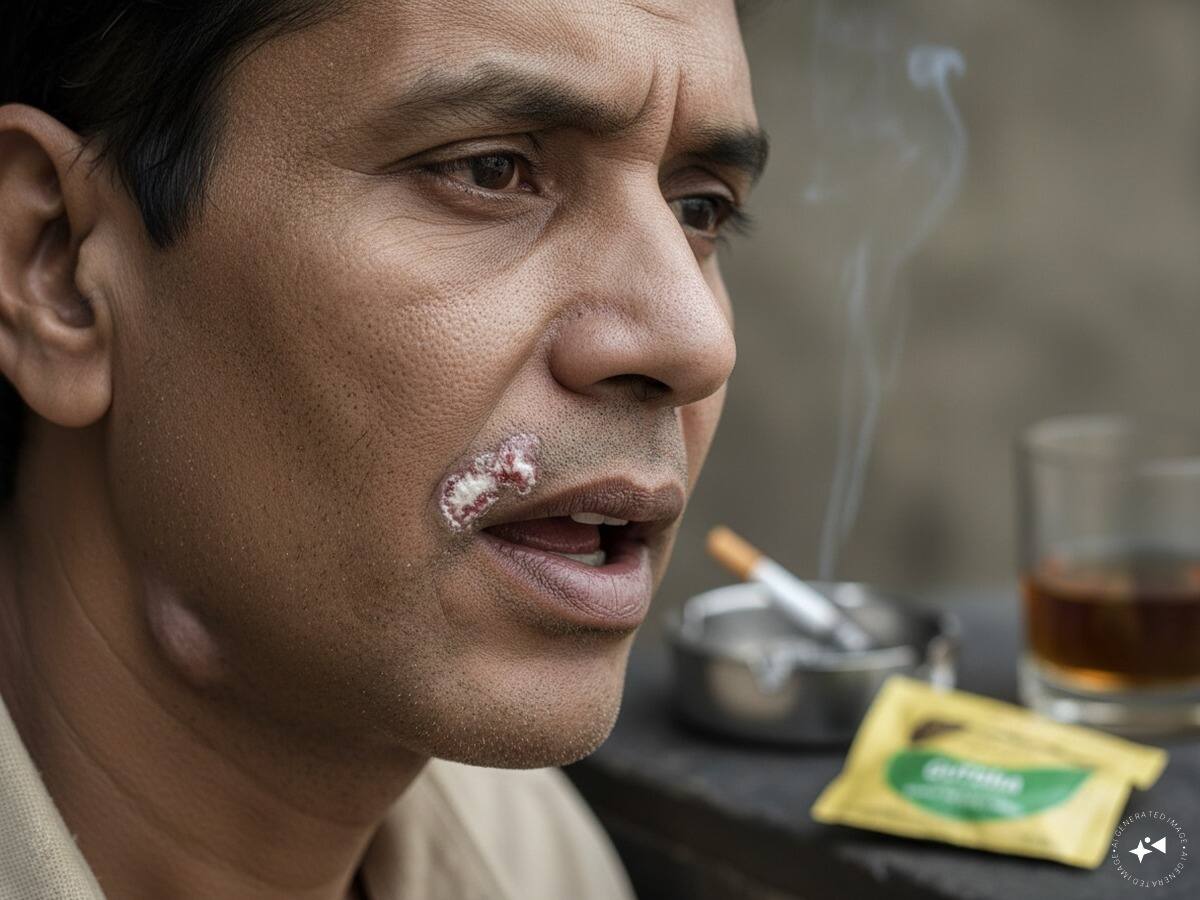
Additional symptoms may include lumps in the neck or throat, loose teeth or gums, numbness of the lips or tongue, and the appearance of white or red patches inside the mouth or on the tongue. Some people may also experience changes in their voice. According to Dr Sarin, tobacco use, smoking and gutkha are responsible for most cases, while alcohol consumption and human papillomavirus (HPV) infection may also increase the risk. (AI Image)
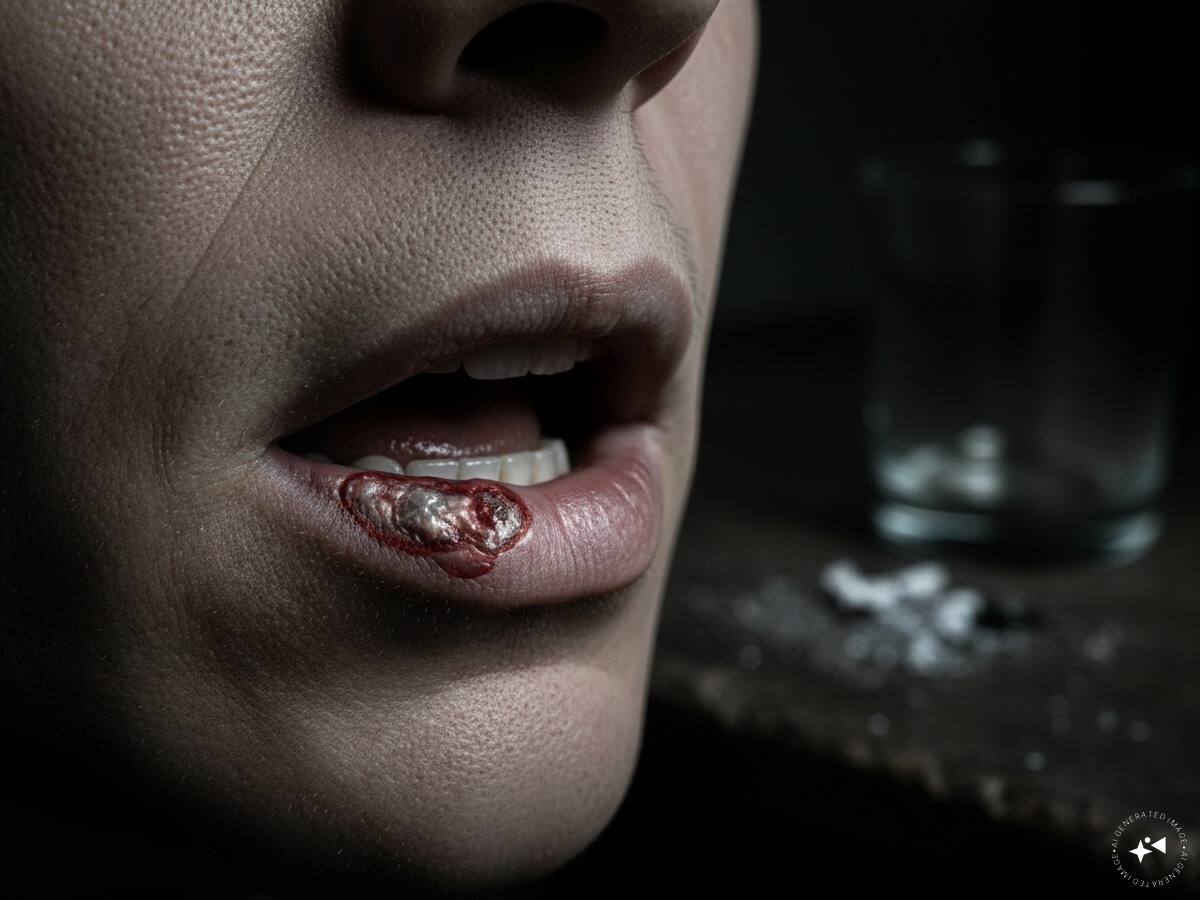
Although tobacco and excessive alcohol consumption remain the biggest risk factors, oral cancer can also occur in people without these habits. According to the Mayo Clinic, oral cancer develops when mutations occur in the DNA of cells in the mouth or lips, causing abnormal cells to multiply while healthy cells die. The disease most commonly begins in the thin, flat squamous cells lining the lips and the inside of the mouth. (AI Image)

While not every case can be prevented, experts say reducing known risk factors can lower the chances of developing oral cancer. Quitting smoking and chewing tobacco, limiting alcohol intake, avoiding exposure to harmful chemicals around the mouth, maintaining a balanced diet and visiting the dentist regularly for oral examinations are among the recommended preventive measures. (AI Image)


