


Psychology says people who take spiritual journeys instead of only beach holidays often experience deeper and longer-lasting stress relief


For decades, beach holidays have been considered as the perfect way to destress. Just the image of soaking feet in clear blue waters while listening to the soft music produced by waves can relax your soul. There is no doubt that beach vacations help people relax their mind, body and soul. However, psychologists say spiritual journeys work through an entirely different pathway, one that often creates deeper emotional changes and a stronger sense of purpose long after the trip ends.From walking the Camino de Santiago in Spain to undertaking the Char Dham Yatra in Uttarakhand, meditating in Bodh Gaya, or attending the Kumbh Mela, spiritual travel is increasingly being recognised not just as a religious experience but also as a powerful psychological one.However, science doesn’t suggest that spiritual journeys are “better” than beach holidays. Instead, it shows they reduce stress through different mechanisms.Relaxation vs transformation
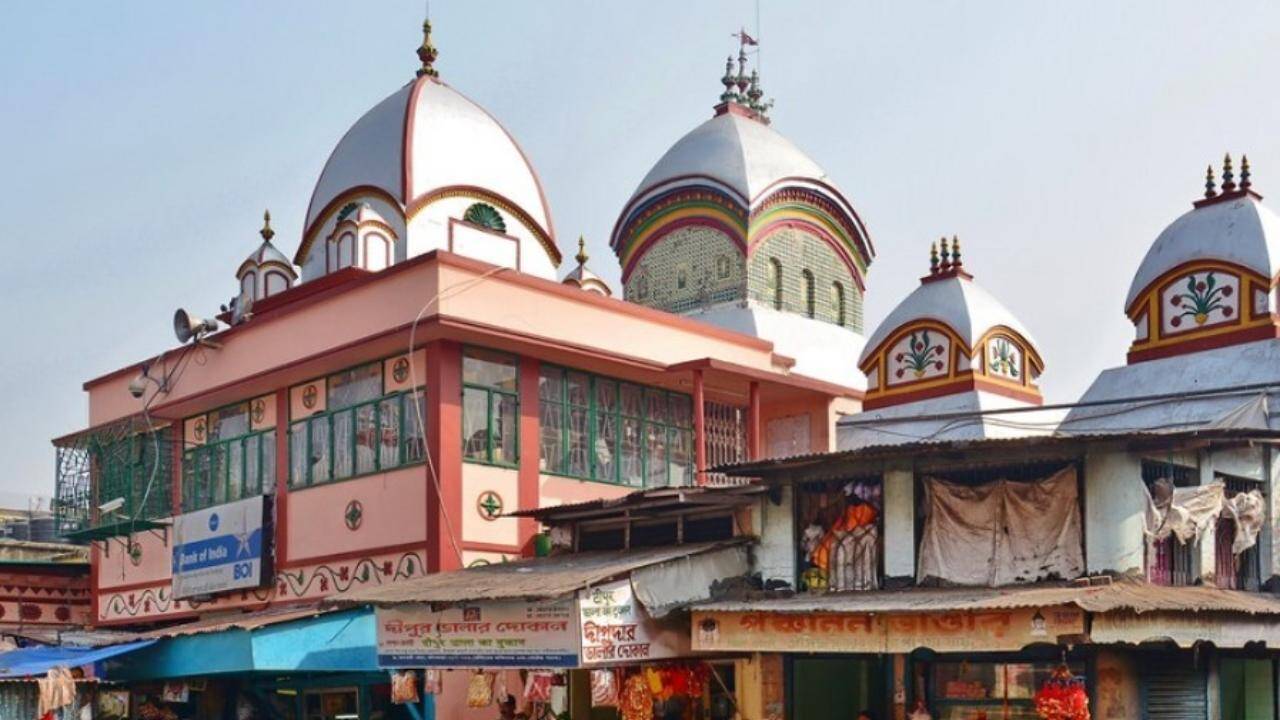
A beach vacation is said to reduce stress by allowing the body and mind to recover from work. Psychologists describe this as passive restoration. An escape from daily responsibilities, getting more sleep and allowing nature to heal the soul. Several studies found that vacations reduce emotional exhaustion, improve mood, and temporarily lower stress. But, these benefits often start to fade within one to three weeks after returning home.Spiritual journeys, on the other hand, are said to activate what psychologists call meaning-focused coping. Instead of just helping travellers escape stress, spiritual travel encourages them to reflect on personal values, and reconnect with a larger sense of purpose.The power of purpose
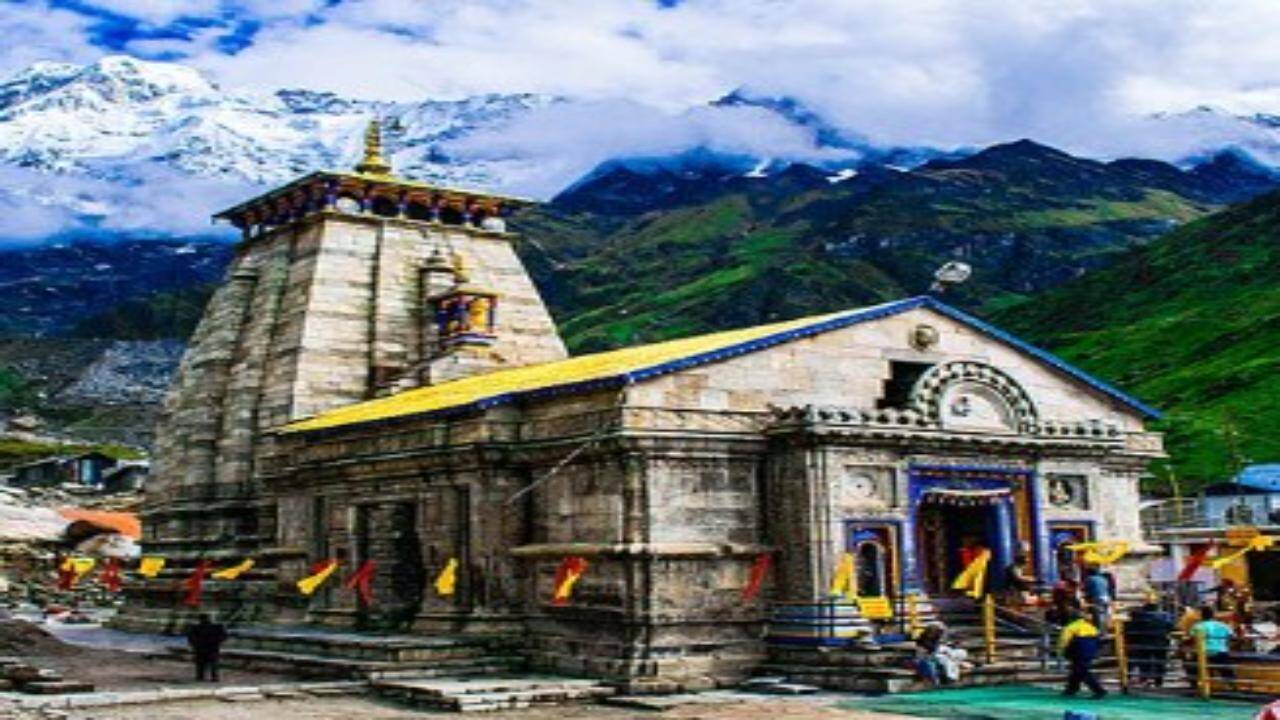
Another most important finding says that people experience greater wellbeing when their lives find the power of purpose and spiritual travel naturally creates opportunities for this. It is said that when people walk hundreds of kilometres to a sacred shrine, meditate in caves or participate in rituals, the journey often becomes an exercise in self-reflection.A 2024 study which had over 560 participants compared pilgrims walking Spain’s Camino de Santiago with people taking ordinary vacations. Researchers found that pilgrims experienced greater reductions in psychological distress and larger improvements in subjective wellbeing than travellers on conventional holidays. Rituals calm the brainPsychologists have long known that rituals can reduce uncertainty and anxiety. It is said that prayers, chantings, meditations, lighting lamps, walking to temples, or following pilgrimage traditions provide structure and predictability. Meditation research also shows that mindfulness practices improve emotional regulation and reduce negative thinking patterns.Walking itself becomes therapy
canva
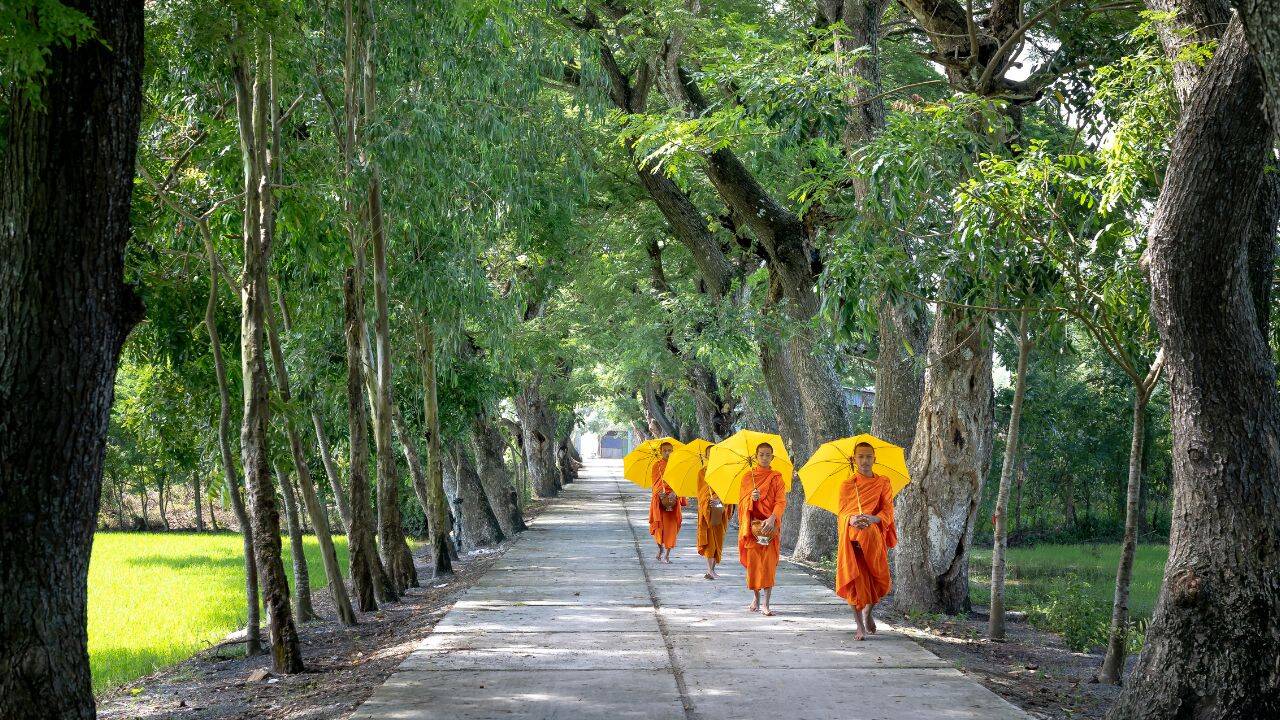
Most of the time spiritual journeys involve substantial physical activity. Like walking to Vaishno Devi, climbing the steps to Palani Temple, trekking through the Himalayas to Kedarnath, or completing the Panch Kedar circuit all combine exercise with spiritual intention.Research shows that walking reduces stress hormones, improves mood, and enhances cognitive functioning. When physical activity is combined with self reflection, the psychological benefits may become even stronger.While beach holidays and spiritual journeys both reduce stress, they do so in fundamentally different ways.For travellers feeling emotionally exhausted rather than simply physically tired, psychology suggests that a pilgrimage or spiritual retreat may offer something more meaningful.


