


You Can Reach Nepal From Delhi, NCR In 8 Hours By Road – Here’s How


Uttar Pradesh’s Shamli-Gorakpur Expressway is expected to cut travel time between Delhi NCR and Nepal to 8 hours. The expressway expected to cost around RS 40,000 crore will cover a distance of 742 km and will interlink the western and eastern parts of the state to each other. (Representative Image: Pexels)
The new expressway will also ease travel to Bihar and nearby regions. Additionally, the expressway is expected to boost the local economy by creating new opportunities for industry, tourism, and employment. (Representative Image: Pexels)
As per a report on Zee News, NHAI has divided the project into two major section in order to ensure the timely completion of the project. While the eastern portion of the 394-kilometre section is being handled by the NHAI East Region team, the NHAI West Region team is looking after the 348-kilometre western section. (Representative Image: Pexels)
Reportedly, the National Highway Authority Of India (NHAI) is engaged in acquiring land for the expressway across several district of the state. (Representative Image: Pexels)
The high-speed expressway will begin near the Haryana border and will move on to the Haridwar region of Uttarakhand, before ending at Kushinagar on the Bihar border. The expressway will further cover and connect multiple districts of Uttar Pradesh, including Shamli, Muzzafarnagar, Saharanpur, Bijnor, Moradabad, Rampur, Bareilly, Pilibhit, Shahjahanpur, Lakhimpur Kheri, Sitapur, Bahraich, Shravasti, Balrampur, Sant Kabir Nagar, Gorakpur, and Kushinagar among other. Furthermore, once completed, this expressway will make travel between Delhi-NCR and the Nepal border much more convenient. (Representative Image: Pexels)
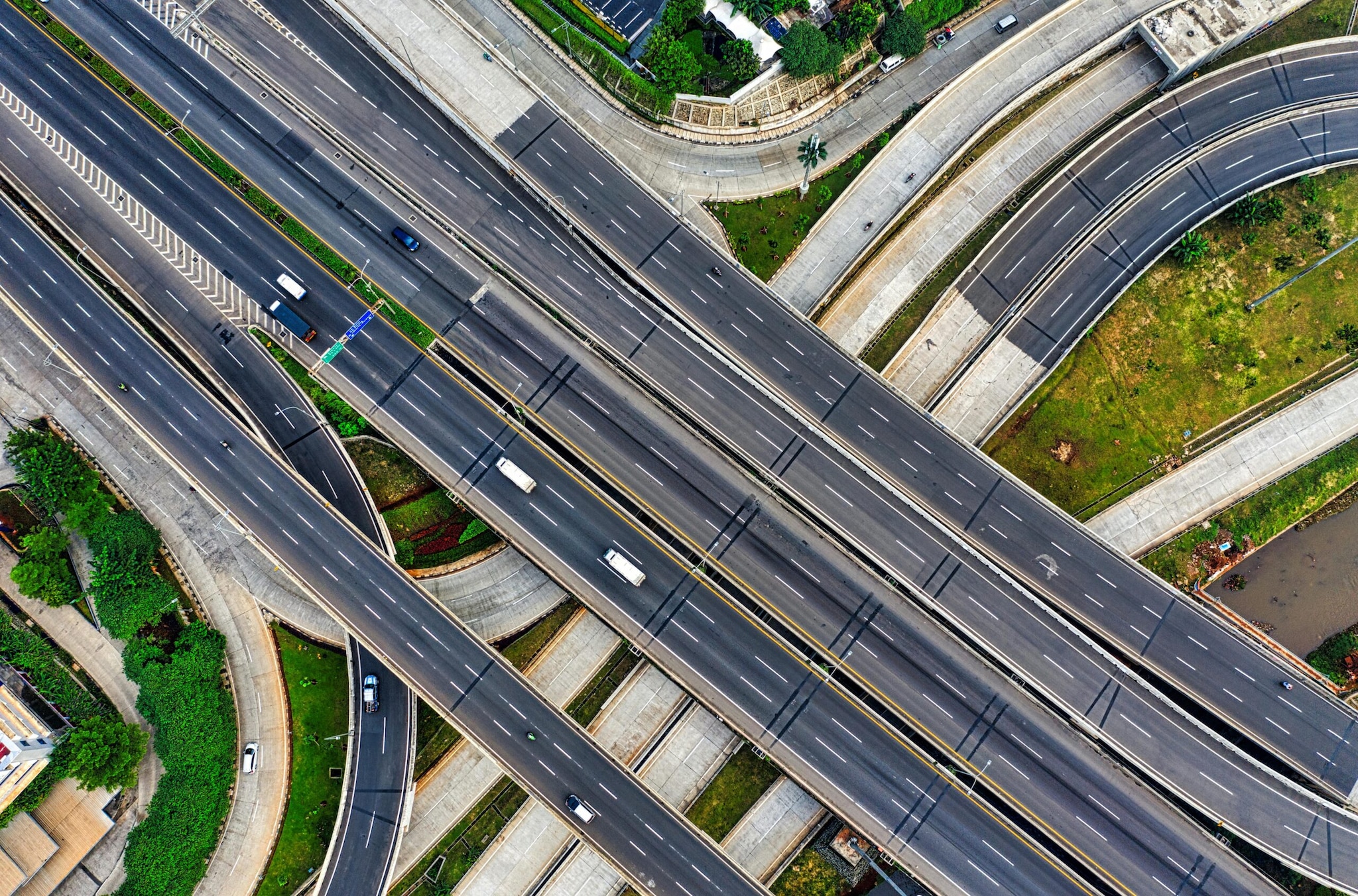
The expressway will feature a four-lane main route, while all major flyovers, bridges, and railway overbridges are being constructed as six-lane structures. Strategically placed exit ramps will ensure seamless connectivity for residents and travelers to neighboring towns. The entire Shamli-Gorakhpur corridor is slated to be fully operational by the end of 2030. (Representative Image: Pexels)


