


The rise of death doulas and what they can teach us about dying well without religion


In most western societies, death has always been the church’s job. Nearly everyone wanted last rites, deathbed prayers and a faith leader at their bedside.
But for a growing number of people, that template for dying is no longer the only option. The death doula, a different kind of caregiver, is increasingly entering the scene.
Some might have seen a death doula on the latest season of HBO’s medical drama The Pitt. Others may have recently heard Australian actress Nicole Kidman announce that she is training to become one.
So what exactly is a death doula (sometimes also called an end-of-life doula, soul midwife or compassionate companion)? Much like a birth doula — a trained, non-medical professional who provides support to a person during childbirth — they help guide a person through life’s final chapter.
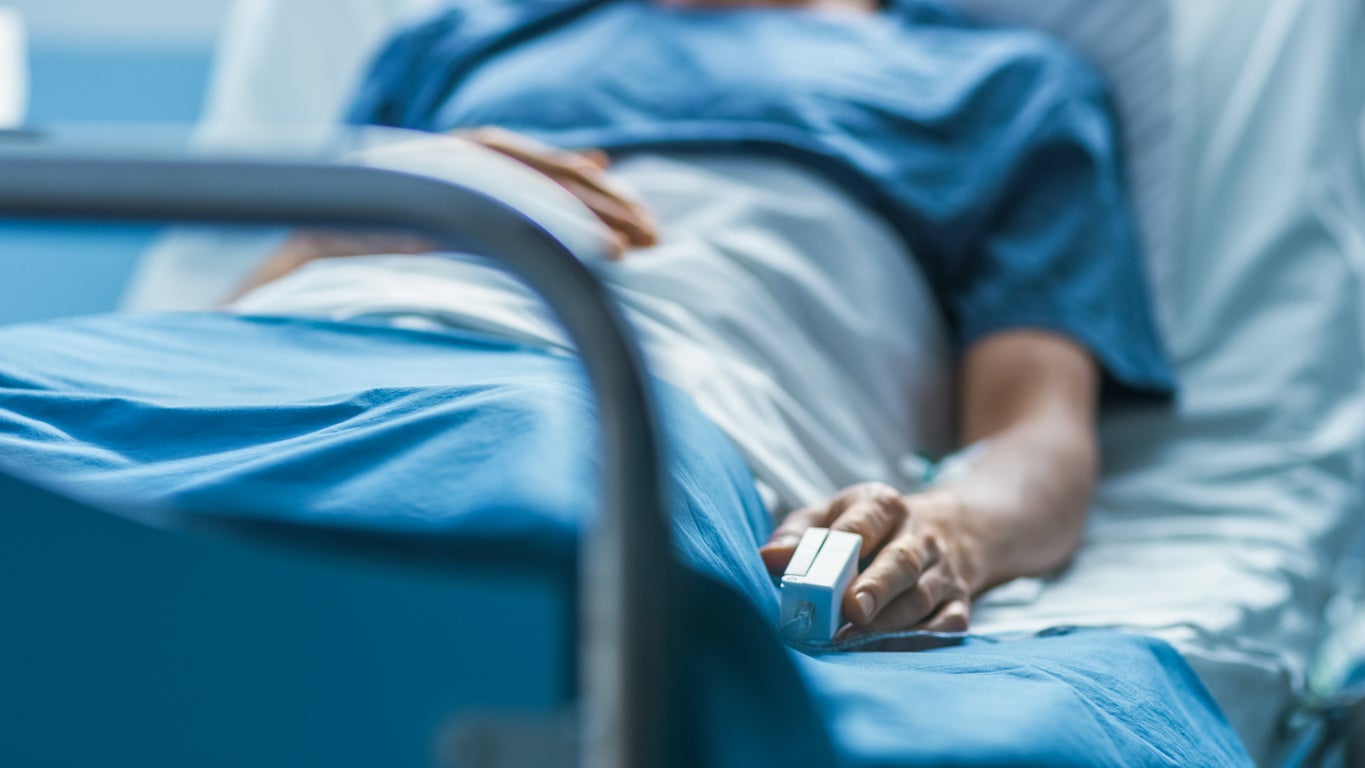
As researchers in the sociology of religion, we study the changing landscape of death. With religious affiliation showing a sharp decline — in 1985, 90 per cent of Canadians identified as religious, while in 2019, this had fallen to 68 per cent — many people look to do death differently.
The work of a death doula
In our recent study, we interviewed more than 70 death doulas in seven countries to help us understand how outlooks on death are changing in a shifting religious landscape. As an international team, we spoke with doulas in Canada, the United States, the United Kingdom, Norway, Brazil, Argentina and Australia.
Despite the geographic spread, in many ways, a doula in London and one in São Paulo have similar roles. At the same time, national context can shape someone’s work in surprising and important ways. In places where medically assisted dying is legal, for instance, doulas might find themselves helping a dying person navigate this process.
The typical tasks performed by death doulas can vary. They might help plan a funeral, attend doctor’s appointments, clean out an attic or write down a life story. All of these are practices aimed at easing the journey toward a “good death.”
Death doulas do not provide medical treatment, an important distinction. One doula we spoke with, Joyce (all used pseudonyms), says she won’t even pass her clients a Tylenol, just to avoid blurring any lines. These restrictions, however, do not preclude death doulas from providing physical care. Even small gestures can increase comfort and provide pain relief.
Enola, a British-based death doula, suggests that touch is very important and helps people figure out even small details like how many pillows they want on their bed or whether they have a favourite blanket.
Dying without religion
Most of the doulas we interviewed stressed that the best approach to death must be tailored to the individual.
Some people want to be surrounded by their family at the end. Others want privacy. Some have a detailed vision for their final moments and want help putting it into action. Others are still coming to terms with their mortality and want guidance making sense of their life and their lasting legacy. When religion is put aside, myriad other possibilities emerge for how people can die in a way that is meaningful.
Many doulas bemoan the fact that it’s difficult for families to take the reins and control how their loved ones experience death. Zara, a death doula from Australia, blames that on what she calls the cookie-cutter nature of the funeral industry.
Chris Miller is a postdoctoral fellow, Nonreligion in a Complex Future project, L’Université d’Ottawa/University of Ottawa. Douglas Ezzy is a professor of Sociology, University of Tasmania. Lori G. Beaman is a distinguished University Professor, L’Université d’Ottawa/University of Ottawa. This article was first published by The Conversation and is republished under a Creative Commons licence. Read the original article .
“We’ve taken religion out of [dying] as society has shifted, but we’ve also industrialized it and corporatized it and medicalized it,” she says.
Carol, a Canadian death doula, enjoys assisting people in finding the freedom to construct moments that will resonate specifically with them — “that lovely grey area where everything is possible,” as she refers to it.
Alyssa, from Australia, suggests that this can take on many forms for different people. “It could be listening to their music, spending time with their grandchildren, watching the footy,” she says. “It could be petting their animal companion or sitting in their garden.”
While each person is different, our data suggests that, above all, relationships are central to the dying process. The priority becomes having final conversations, writing letters to be read in the future or even simply sitting in silence with loved ones at the bedside.
For example, Dawn from the U.K. says: “I’ve never heard anyone say, ‘I miss my sports car.’ The material things kind of naturally fall away.”
A complement to medicine
Death doulas also aim to change how care is administered in hospitals, hospices and other medical settings. They are filling a gap that both medicine and religion have traditionally occupied.
For example, Kimberley, a registered nurse who also works as a death doula, explains that what sets her doula work apart from working in palliative care is the luxury of time.
While nurses have many patients to attend to, as a death doula, she is in a unique position. “I’m there for only one person,” she says. That focus is what lets doulas build the kind of relational, unhurried care they want to see more of.
Though they satisfy needs not met by medicine or religion, doulas don’t see themselves in competition with either. With the ability to build relationships with a dying person and their loved ones throughout this process, death doulas offer a complementary form of care.
They help the dying identify what matters most to them at the end of their lives and work out how to make it happen — what one might call a “good death.”


